
Quick Read
- Portugal qualified for the 2026 World Cup with a 9-1 victory over Armenia.
- Bruno Fernandes and Joao Neves each scored hat-tricks in Ronaldo’s absence.
- Portugal will compete in its seventh consecutive World Cup, aiming for its first final.
- Cristiano Ronaldo’s participation in the tournament remains uncertain due to suspension.
- Portugal joins England, France, Norway, and Croatia among Europe’s early qualifiers.
Portugal’s Dominance: Fernandes Takes Center Stage
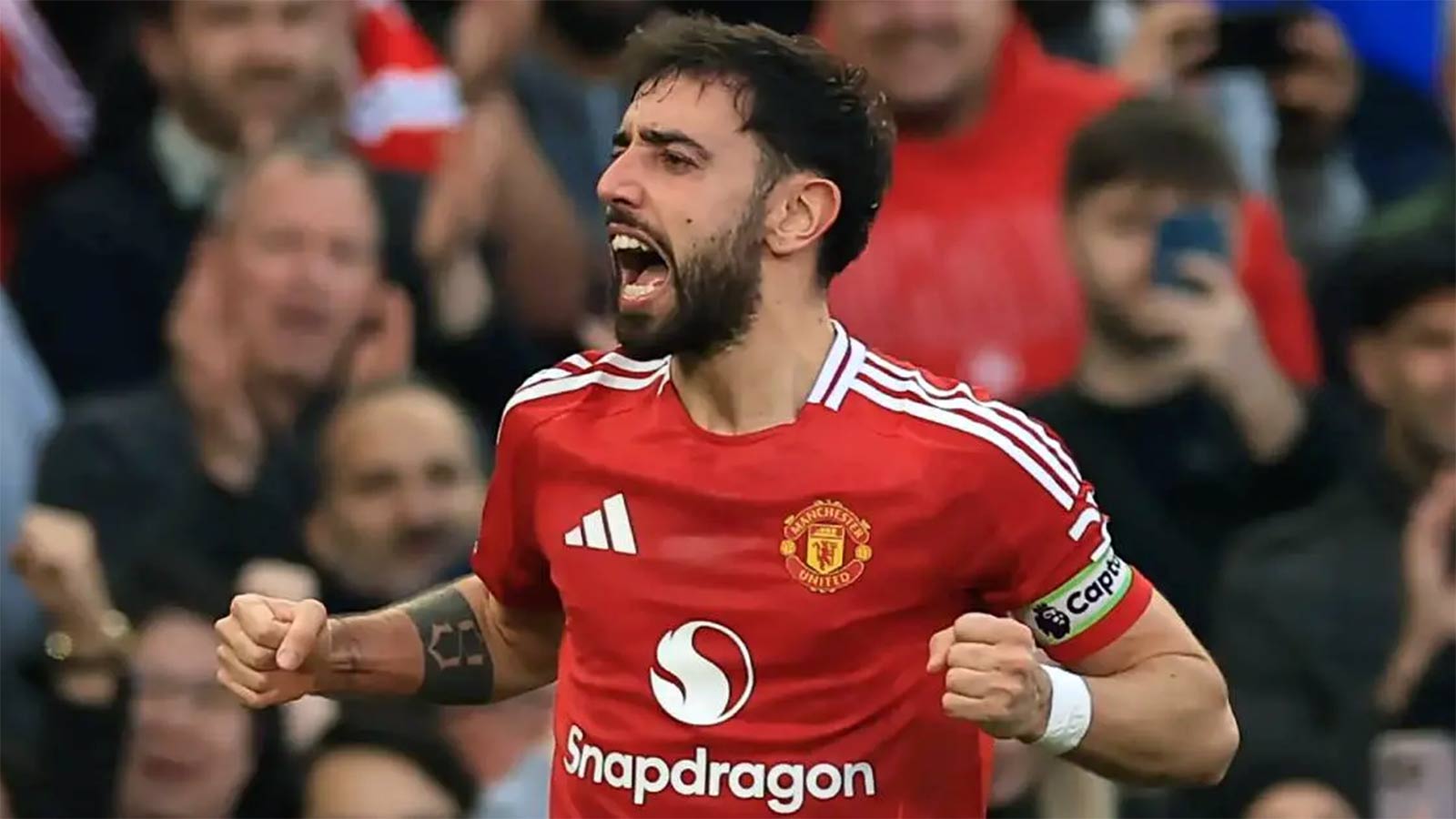
When Portugal lined up against Armenia on a brisk November evening in Porto, few could have predicted the sheer scale of the result. The Seleção’s 9-1 victory was not only a statement of intent but also a showcase of their midfield prowess—Bruno Fernandes, in particular, emerged as the architect of the night. With Cristiano Ronaldo serving a suspension, much of the creative and attacking responsibility fell to Fernandes and his teammate Joao Neves. Both responded in spectacular fashion, each recording hat-tricks and driving Portugal to an unassailable lead, confirming their qualification for the 2026 FIFA World Cup.
Fernandes, known for his vision and tireless work ethic, operated with remarkable freedom. His first goal came from a trademark late run into the box, capitalizing on Neves’ deft through-ball. The second was a curling effort from the edge of the area, while the third—a coolly converted penalty—sealed his hat-trick. The Armenian defense, overwhelmed by Portugal’s movement and intensity, could do little to stem the tide. Gonçalo Ramos, Renato Veiga, and Francisco Conceicao also found the net, but it was Fernandes’ leadership and technical excellence that truly set Portugal apart.
Midfield Power and Tactical Maturity
This performance highlighted Portugal’s evolving identity. Once defined by Ronaldo’s goal-scoring exploits, the team now boasts a midfield capable of dictating games against any opponent. Vitinha and Neves provided stability and creativity, while Fernandes orchestrated attacks with precision and flair. After being held by Hungary and suffering a shock defeat to the Republic of Ireland earlier in the campaign, Portugal’s qualification was far from a foregone conclusion. Yet, when it mattered most, the side delivered—showing tactical maturity and depth rarely seen in previous generations.
The significance of Fernandes’ hat-trick goes beyond the scoreline. It marks the rise of a new leadership core in the Portuguese squad, one that blends experience with youthful ambition. As Portugal heads to its seventh consecutive World Cup, there is a sense that the team is no longer reliant on a single superstar but rather on a collective that can adapt and thrive under pressure. With the tournament set to take place in North America from June to July 2026, the Euro 2016 champions are quietly confident—hoping to break their World Cup drought and reach the final for the first time.
Ronaldo’s Absence: Opportunity and Uncertainty
Cristiano Ronaldo, even at 40, remains a central figure in Portuguese football. His absence against Armenia, due to suspension, raised questions about the team’s ability to perform without their talisman. Fernandes and Neves answered emphatically, demonstrating that Portugal’s future is in capable hands. However, Ronaldo’s availability for the World Cup remains uncertain. If FIFA extends his suspension, he could miss the tournament’s opening matches—a scenario that would force coach Roberto Martínez to lean further into the squad’s depth.
“The most important thing was qualifying for the World Cup,” Joao Neves told RTP after the match. “For me, as I always say, the team always comes before the individual. I’m very happy to have scored my first goal for the national team, and my second and third as well.” Fernandes echoed these sentiments, emphasizing the collective spirit that has defined Portugal’s campaign. This sense of unity could prove decisive as they prepare for the challenges ahead.
European Contenders: Portugal Among the Elite
Portugal joins an impressive list of European nations already qualified for the 2026 World Cup, including England, France, Norway, and Croatia. Each team brings its own narrative—England’s perfect record under new manager Thomas Tuchel, France’s pursuit of a third consecutive final led by Kylian Mbappé, and Norway’s return after 28 years, powered by Erling Haaland’s astonishing goal tally.
Yet Portugal’s story is unique. The blend of veteran presence and emerging stars offers tactical flexibility and resilience. The squad’s ability to adapt—whether facing adversity like Ronaldo’s suspension or tactical shifts from opponents—underscores their status as serious contenders. As the tournament draws closer, all eyes will be on Fernandes, Neves, and the rest of the midfield to see if they can translate their qualifying dominance into success on the world stage.
Qualification was secured with style, but the real test awaits in North America. Portugal has never reached a World Cup final, and with each passing generation, the pressure builds. The 2026 edition may be their best chance yet, provided the midfield continues to deliver and Ronaldo can return for one last dance.
Bruno Fernandes’ hat-trick against Armenia was more than just a personal milestone—it symbolized Portugal’s transformation from a Ronaldo-centric side to a team defined by depth, tactical acumen, and collective ambition. As they prepare for the World Cup, Portugal’s midfield looks ready to lead, setting the stage for an era where success is shared and the spotlight is no longer reserved for one star alone.