
Quick Read
- Nearly a dozen pipe bombs, some already detonated, found in Canberra’s public parks and footpaths.
- Discoveries occurred along a 1km stretch near Lake Ginninderra in Canberra’s northwest over two days.
- ACT Policing warns public not to touch devices, urging immediate calls to triple zero (emergency services).
- No injuries reported from the detonations, but police emphasize the extreme danger of explosives in public places.
- Investigation is ongoing, with no suspects or motives identified; incident not treated as terrorism.
Australia’s capital city, Canberra, has been gripped by an unsettling discovery: nearly a dozen pipe bombs, some already detonated, found scattered across suburban footpaths and public parks. The revelation has triggered a major police investigation and immediate, urgent warnings to residents not to approach or touch any suspicious items.
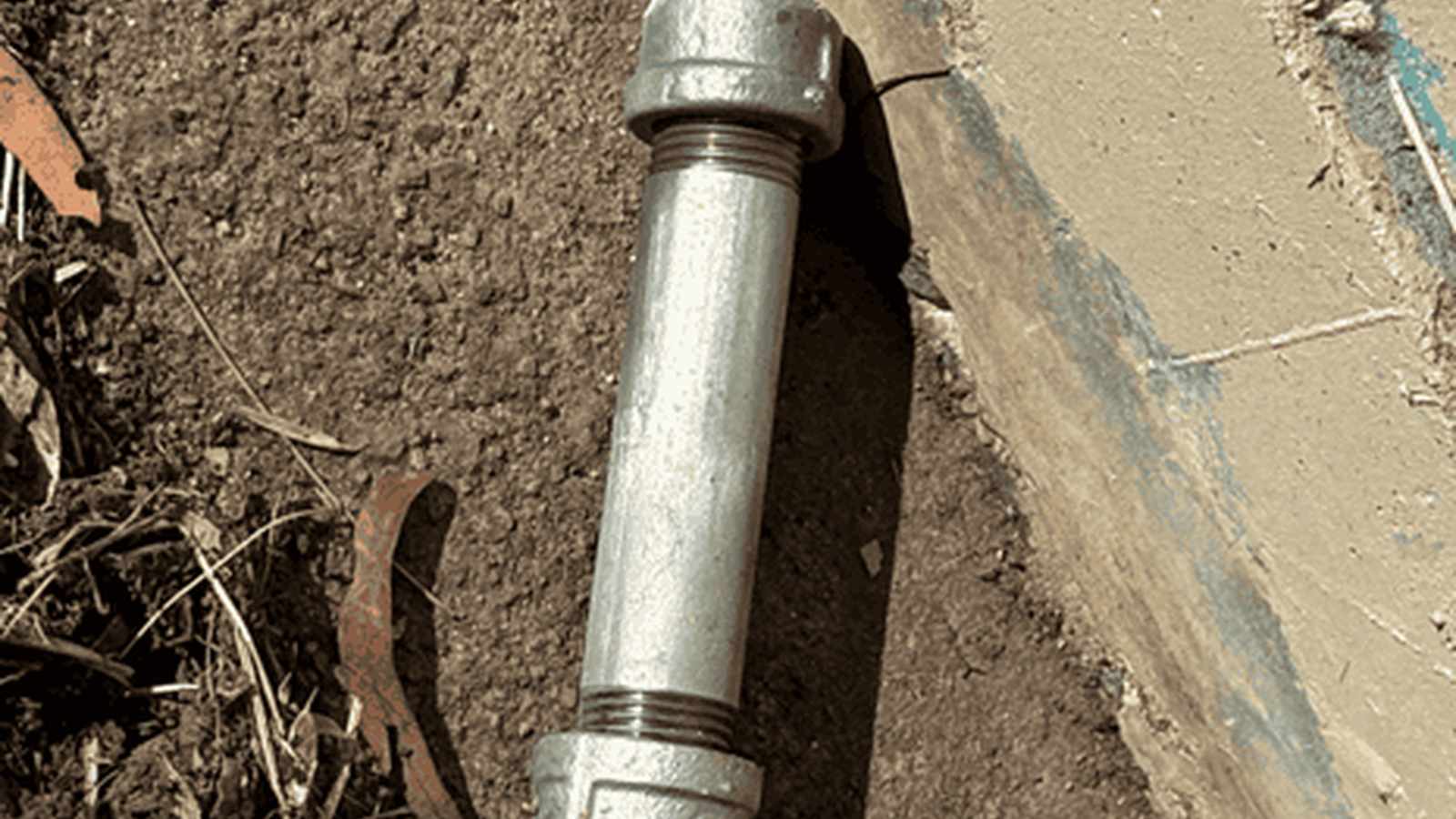
The alarming finds began surfacing over the past two days, primarily along a one-kilometer stretch of footpath near the serene Lake Ginninderra in Canberra’s northwest. What started with a single discovery by a member of the public quickly escalated as more of the silver, tube-shaped devices, complete with screw-on caps and what appeared to be fuses, were located. Some were found intact, while others bore the marks of prior detonation, leaving behind partially destroyed remnants.
ACT Policing Detective Acting Inspector Anna Wronski addressed the media on Thursday, emphasizing the gravity of the situation. “We do not want members of the public to pick them up. We do not want members of the public to bring them to police stations. We want them to call triple zero immediately,” Wronski stated unequivocally, underscoring the extreme danger posed by these items. The clear message: public safety is paramount, and direct interaction with the devices could have catastrophic consequences.
The sheer number and public placement of the explosives have understandably raised significant community concern. While police have confirmed that, remarkably, no one is believed to have been hurt by the detonations, the potential for harm remains a central worry. “Any explosive is dangerous. That’s why we’re taking it so seriously. An explosive in a public place does raise a lot of concern for police,” Wronski reiterated, a sentiment echoed by The Guardian in its reporting on the incident.
Investigators are currently grappling with a number of unknowns. The origin of these pipe bombs, the identity of those responsible for placing them, and how long they had been lying undetected in public spaces are all central questions that remain unanswered. Furthermore, police acknowledge the possibility that more devices could still be lurking, undiscovered, across the city’s vast network of parks and pathways. The uncertainty itself adds another layer of apprehension for Canberra’s residents.
The investigation by ACT Policing is comprehensive, though details are being carefully managed to avoid compromising operational integrity. Images released by authorities show the rudimentary yet effective construction of the devices: a metallic pipe, capped at both ends, with a visible fuse protruding. This simple design belies the significant destructive potential of such an item, particularly when placed in areas frequented by families, joggers, and pets.
Despite the unsettling nature of the discoveries and the public alarm they have generated, Detective Acting Inspector Wronski was keen to clarify one crucial point: the incident is not currently being treated as an act of terrorism. This distinction, while not diminishing the danger, helps to shape the scope and direction of the police inquiry, focusing perhaps more on localized motives or individual actions rather than broader ideological threats. However, the exact motivations behind the placement of these devices remain a perplexing mystery for investigators.
For a city like Canberra, known for its tranquil environment and extensive green spaces, this sudden influx of explosive devices represents a stark and unwelcome disruption. Residents are now urged to exercise heightened vigilance, not only for their own safety but also to assist law enforcement in locating any further devices. The incident serves as a potent reminder of the unforeseen threats that can emerge even in the most ostensibly peaceful settings, challenging the sense of security that communities often take for granted. The collaboration between the public and emergency services will be critical in resolving this unusual and concerning situation.
The discovery of nearly a dozen pipe bombs in Canberra’s public spaces, despite no reported injuries, represents a profound breach of public trust and safety. While police are not treating it as terrorism, the calculated act of distributing such dangerous devices in areas frequented by the community points to a deliberate intent to cause fear or harm, demanding a swift and thorough resolution to restore confidence in the capital’s security.