
Quick Read
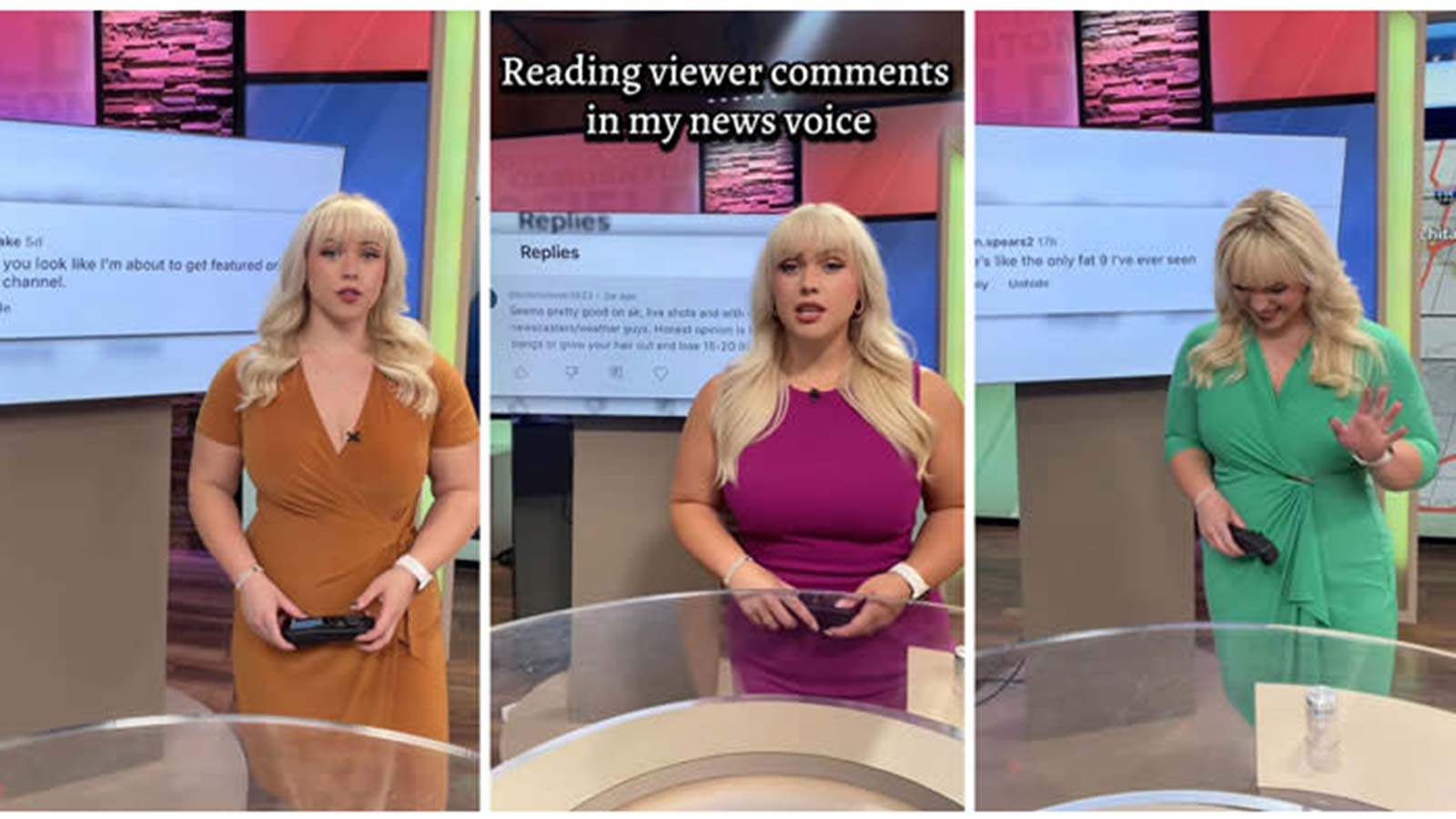
- Carissa Codel is a Missouri news anchor who gained viral fame for humorously addressing online body-shaming.
- Her comedic videos reading trolls’ comments have amassed millions of views and a large social media following.
- Codel lost 55 pounds over three years, increasing her confidence in facing criticism.
- She believes her authenticity has strengthened her connection with viewers.
Carissa Codel: The News Anchor Who Fought Back—With Laughter
Carissa Codel never set out to become a viral internet phenomenon. The Missouri-based news anchor was simply doing her job at Fox 49’s “Ozark’s First,” delivering the day’s headlines with professionalism and poise. But it was her unexpected response to online criticism—witty, candid, and refreshingly unfiltered—that catapulted her into the social media spotlight, sparking conversations about authenticity, body image, and the evolving role of journalists in the digital age.
From Trolls to Triumph: Turning Insults Into Engagement
In August, Codel began posting humorous videos that showcased a bold new approach: reading aloud some of the harshest, most creative comments she received online. These weren’t your typical, run-of-the-mill insults. Her trolls often got inventive:
- “Dayuum Gurl, I want you to put a hurting on me like you do those midnight snacks.”
- “You look like you could survive a harsh winter.”
- “Sources say there is enough cake for a triplet’s birthday party.”
She didn’t just read these jabs; she owned them, delivering punchlines with impeccable comedic timing. Rather than recoil from the negativity, Codel leaned in, disarming her critics and delighting her audience. The result? Her October video alone drew over 5 million views on Instagram, and her follower counts soared to 222,000 on Instagram and 116,400 on TikTok.
Resilience, Realness, and Redefining the Anchor’s Role
Codel’s journey wasn’t just about going viral. At 5’3” and 180 pounds, she had already faced the sting of public scrutiny—and had recently lost 55 pounds over three years. This personal transformation, she says, gave her a foundation of confidence that made the online commentary less daunting. “You think I’m big now, you should have seen me back then,” she quipped on-air, reframing her critics’ words as a badge of honor rather than a scarlet letter.
But Codel’s response wasn’t about defiance alone. She drew a line between mean-spirited abuse and clever, if biting, humor. “I don’t put up the extremely mean ones, but I like the insults that are very creative,” she explained. For her, the key was not letting negativity dictate her self-worth—or her narrative.
Changing the Conversation: Authenticity in Modern Journalism
Initially, Codel worried that her viral antics might erode her credibility as a serious journalist. The world of news has long prized a stoic, almost impersonal professionalism. Could an anchor who jokes about online insults still be trusted to deliver the facts?
As it turns out, the answer from viewers was a resounding yes. If anything, her willingness to show vulnerability and humor made her more relatable. “I think they see me as a more genuine person instead of just a reporter,” she reflected. That authenticity, once considered a liability, became her greatest asset.
Her experience is emblematic of a broader shift in media. Today, audiences crave connection as much as information. Codel’s story is a case study in how journalists can forge deeper bonds with their communities by embracing their full, unvarnished selves—even the parts that attract criticism.
The Digital Age: A New Frontier for News Personalities
Carissa Codel’s rise is more than just a viral moment. It’s a mirror held up to the pressures—and opportunities—of being a public figure in 2025. Social media amplifies both praise and vitriol. For women in the public eye, especially those who don’t conform to narrow beauty standards, the scrutiny can be relentless.
Yet, Codel’s approach offers a blueprint for resilience. By meeting mockery with wit and sharing her journey openly, she’s not just surviving online culture—she’s shaping it. Her story is a reminder that visibility comes with risks, but also with the power to redefine what strength, humor, and authenticity look like in journalism.
Carissa Codel’s viral moment isn’t just about clapping back at critics. It’s about redefining what it means to be seen—and to see oneself—on and off the screen. Her story stands as proof that when journalists embrace authenticity, they don’t just report the news; they become part of the cultural conversation, changing the very definition of credibility in the process.