


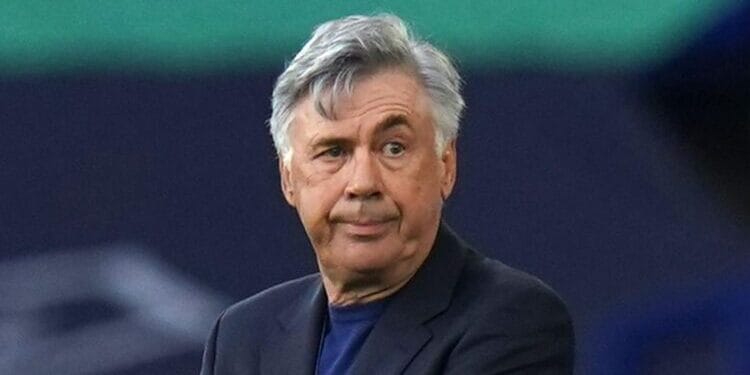
Carlo Ancelotti, the esteemed football coach currently leading Brazil’s national team, has been sentenced by a Madrid court to a one-year prison term and fined €386,000 for tax fraud. The charges stem from his tenure as the manager of Real Madrid in 2014, during which he allegedly failed to report income from his image rights. While the sentence is unlikely to result in actual jail time due to Spanish laws favoring suspended sentences for non-violent first-time offenders, the case marks another high-profile instance of tax controversies involving football figures.
The Charges and Court Ruling
The case against Ancelotti dates back to 2014, when prosecutors accused him of defrauding the Spanish tax authorities of approximately €1 million. Specifically, they alleged that Ancelotti did not report income from his image rights in his tax filings. According to Fox Sports, the prosecution initially sought a prison sentence of up to four years and nine months, along with a hefty fine of €3.2 million. However, the court ultimately handed down a lighter sentence of one year and a €386,000 fine.
During the trial, which took place in April 2025, Ancelotti defended himself by arguing that it was Real Madrid’s responsibility to properly withhold and report taxes related to his image rights. He claimed he negotiated his contract based on net earnings, stating, “I thought it was quite normal because at that time all the players and the previous coach had done the same.” The court accepted his explanation for 2015, as he was found not to have spent enough time in Spain that year to qualify as a tax resident, as reported by Reuters.
Historical Context and Broader Implications
Ancelotti’s case is part of a broader trend of tax investigations targeting football’s elite. Over the past decade, several high-profile players and coaches, including Cristiano Ronaldo and Lionel Messi, have faced similar charges. Most cases have been resolved through settlements involving substantial fines, although a few, such as Xabi Alonso’s, have gone to trial. According to ESPN, the Spanish tax authorities have intensified their scrutiny of football figures’ financial dealings, particularly concerning image rights, which often involve complex international arrangements.
For Ancelotti, the case has cast a shadow over his otherwise illustrious career. As one of football’s most decorated managers, he has won multiple Champions League titles and domestic league trophies across Europe. His second stint with Real Madrid, which lasted from 2021 to 2025, saw significant success, including two La Liga titles and three Champions League victories. However, his departure from the club at the end of the 2024-25 season to take charge of Brazil has coincided with this legal setback.
Reactions and Future Prospects
The sentencing has sparked widespread reactions within the football community. While some have criticized the Spanish tax system’s aggressive approach towards football professionals, others have emphasized the importance of compliance with tax laws. Ancelotti himself has remained composed, with his press officer stating that he will not appeal the decision and will comply with the court’s ruling.
From a legal standpoint, Ancelotti is unlikely to serve jail time. Under Spanish law, sentences of less than two years for non-violent crimes are typically suspended for first-time offenders. However, the financial penalty and the public scrutiny surrounding the case may have long-term implications for his reputation and career.
As Brazil’s head coach, Ancelotti now faces the challenge of maintaining focus on his team’s preparations for the 2026 FIFA World Cup. Having already secured qualification with a 1-0 victory over Paraguay in June 2025, he remains a pivotal figure in Brazil’s football ambitions. Whether this legal episode will affect his performance or standing within the sport remains to be seen.
Carlo Ancelotti’s case serves as a reminder of the complexities and risks associated with managing financial affairs in the globalized world of professional sports. As the football community watches closely, the broader lessons from this episode may influence future dealings between players, coaches, and tax authorities worldwide.