
Quick Read
- Carmen Lau, an exiled Hong Kong pro-democracy activist, was targeted with deepfake, sexually explicit letters sent to her former neighbors in the UK.
- The harassment campaign is part of a broader trend of transnational repression against Hong Kong activists abroad, with authorities investigating but no arrests yet.
- Similar tactics have targeted other activists, including Ted Hui in Australia and Kevin Yam.
- The use of AI and deepfake technology marks a troubling evolution in intimidation tactics, especially against women.
- UK officials have condemned the harassment and pledged to protect Hongkongers in the country.
Exile, Activism, and Escalating Threats
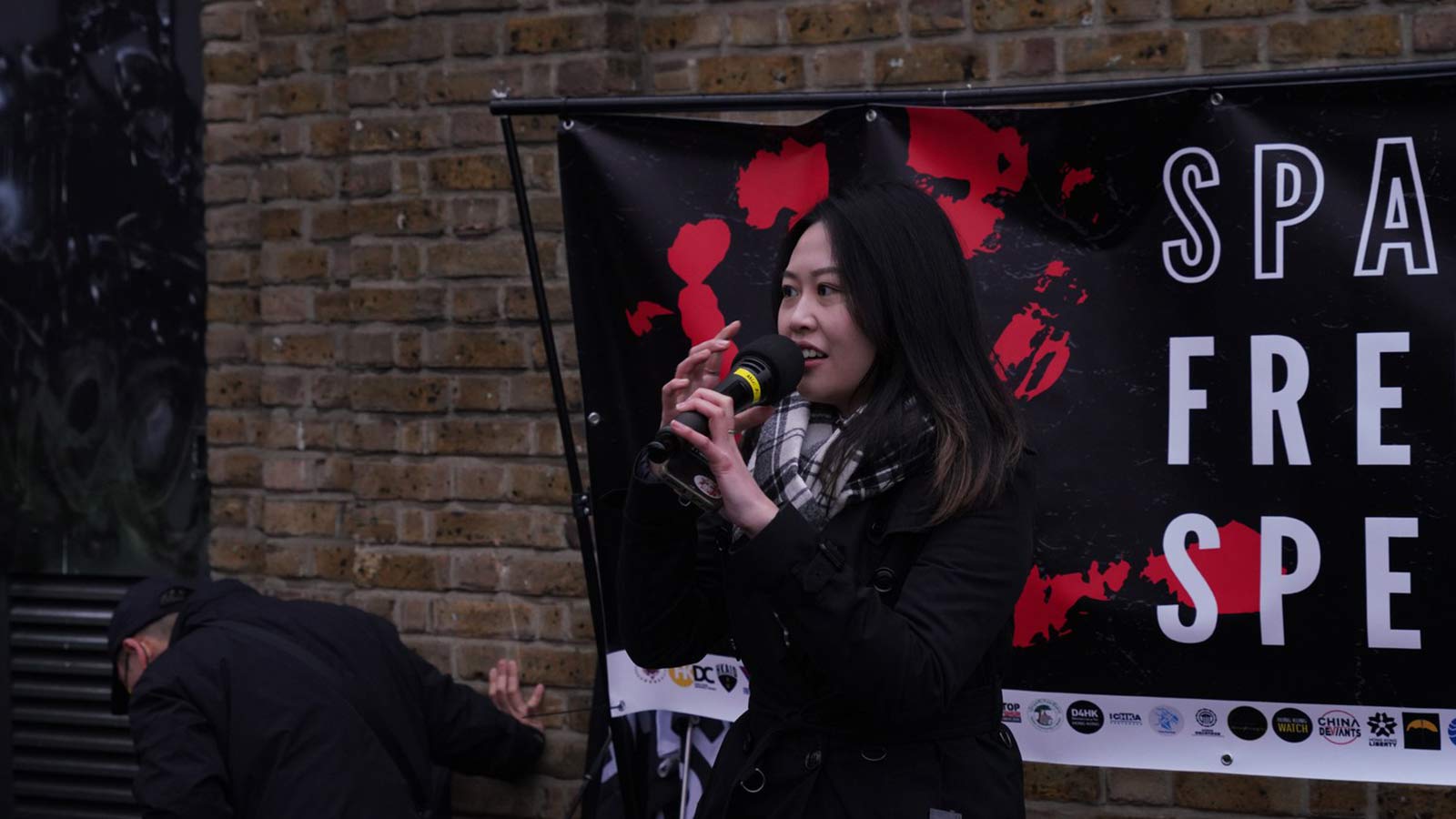
For Carmen Lau, the decision to leave Hong Kong was never about escape—it was survival. Once a district councillor and a prominent voice for democracy in her city, Lau fled to the UK in 2021 as Beijing’s grip tightened and the National Security Law swept up activists and opposition politicians alike. But even thousands of miles from home, the shadows of repression have followed her, morphing into new, unsettling forms.
Deepfakes and Sexually Explicit Harassment: A New Tactic
In late 2025, a wave of sexually explicit letters, featuring digitally faked images of Lau as a sex worker, arrived at addresses in Maidenhead, UK—where she once lived. The letters, posted from Macau, included her name, former address, and disturbingly realistic AI-generated images depicting her in various states of undress. Some images were so graphic that recipients described them as “offering services,” despite being completely fabricated.
As reported by The Guardian and BBC, the letters were not only humiliating but also invasive, listing personal details and inviting strangers to “visit”. For Lau, the psychological toll was immediate. “I am a woman, and they threaten me like this,” she told reporters, her words heavy with anxiety. She described the campaign as an “escalation of transnational repression,” where digital tools and deepfakes are weaponized specifically to target women.
Not an Isolated Incident: The Broader Pattern of Intimidation
Carmen Lau is not alone in this digital dragnet. Other exiled Hong Kong activists in the UK and Australia, including former legislator Ted Hui and lawyer Kevin Yam, have faced similar campaigns. In Hui’s case, a fake poster advertising his wife as a “Hong Kong lonely housewife” sex worker was circulated in Adelaide, Australia—an address with no actual connection to Hui. The poster listed sexual services with prices and was even emailed to Hui’s boss, demonstrating the targeted, far-reaching nature of these attacks.
In March, Lau’s former neighbors had received “wanted” posters offering a HK$1 million reward for information about her or for handing her over to the Chinese embassy. The letters, also sent to the neighbors of activist Tony Chung, marked a chilling escalation: from bounties to character assassination via sexualized deepfakes. For the recipients, the confusion and fear were palpable. One Maidenhead resident, who asked to remain anonymous, told The Guardian the letters were “graphic” and “unfortunate for the person who it’s targeted at.” Another Adelaide resident whose address was used for Hui’s fake poster said, “How did they get our address? Why did they pick us? It just doesn’t make sense.” Their neighbor even questioned if their home had become a “knock shop,” British slang for a brothel.
Responses from Authorities and the Search for Accountability
The harassment has prompted investigations in both the UK and Australia. Thames Valley police confirmed they are looking into “malicious communications” involving digitally altered images, engaging with Lau as the victim. Australian police, however, have been more reticent, with officials declining to comment on individual cases. In Hui’s situation, the email’s IP address was reportedly traced back to Hong Kong, underscoring the international reach of the campaign.
Government officials have responded with public statements of support. Joshua Reynolds, MP for Maidenhead, called the incidents “acts of transnational repression without question” and urged the UK government to impose sanctions on officials responsible for such campaigns. The UK Home Office and Foreign Office have been alerted, with a government spokesperson reiterating, “The safety and security of Hongkongers in the United Kingdom is of the utmost importance.” British authorities have also condemned the issuing of arrest warrants and bounties by Hong Kong police, vowing not to tolerate foreign intimidation on UK soil.
The Chinese embassy has repeatedly denied responsibility, characterizing previous bounty letters as “faked” and framing the activists as fugitives “seeking to destabilize Hong Kong.” The embassy in Canberra did not respond to requests for comment. Official Chinese statements insist on the legitimacy of pursuing “wanted fugitives” and dismiss the victims’ accounts as “cheating and sadfishing.”
The Gendered Weaponization of Technology
For Lau and others, the most disturbing element is the gendered nature of the attacks. While transnational repression is not new, the use of AI and deepfake technology to create sexually explicit content marks a dangerous evolution. Lau herself reflected, “When I was in Hong Kong, pro-Beijing agents were trained to use gender-based harassment targeting pro-democracy activists, but AI technology has enhanced this sort of intimidation—it is beyond just transnational repression, as a woman it is very worrying.”
The psychological impact lingers. Lau has changed homes and now avoids being recognized in public, often wearing a cap or mask. She criticized the initial police response, which asked her to sign an agreement not to engage in activities that might put her at risk—a move she saw as shifting responsibility to the victim rather than addressing the threat.
What Comes Next?
The campaign against Carmen Lau and her peers is not only a personal attack; it is a test for liberal democracies. Can host countries protect exiles from increasingly sophisticated cross-border harassment? As deepfake and AI tools become more accessible, activists—especially women—may face new vulnerabilities that outpace current legal and investigative frameworks.
For now, authorities in the UK have pledged to investigate, and MPs are demanding accountability. But for Lau, the reality is one of vigilance and anxiety, a reminder that exile does not always guarantee safety. The story of these letters is more than a footnote in the struggle for Hong Kong’s democracy; it is a warning of how repression adapts, and how the fight for freedom must, too.
Assessment: The campaign of digitally manufactured, sexually explicit harassment against Carmen Lau signals a troubling shift in transnational repression. The use of AI and deepfake technology, especially to target women, exposes gaps in both legal protection and investigative capacity in liberal democracies. Unless host countries respond decisively, this model of intimidation may become the new norm for silencing dissent beyond borders.