


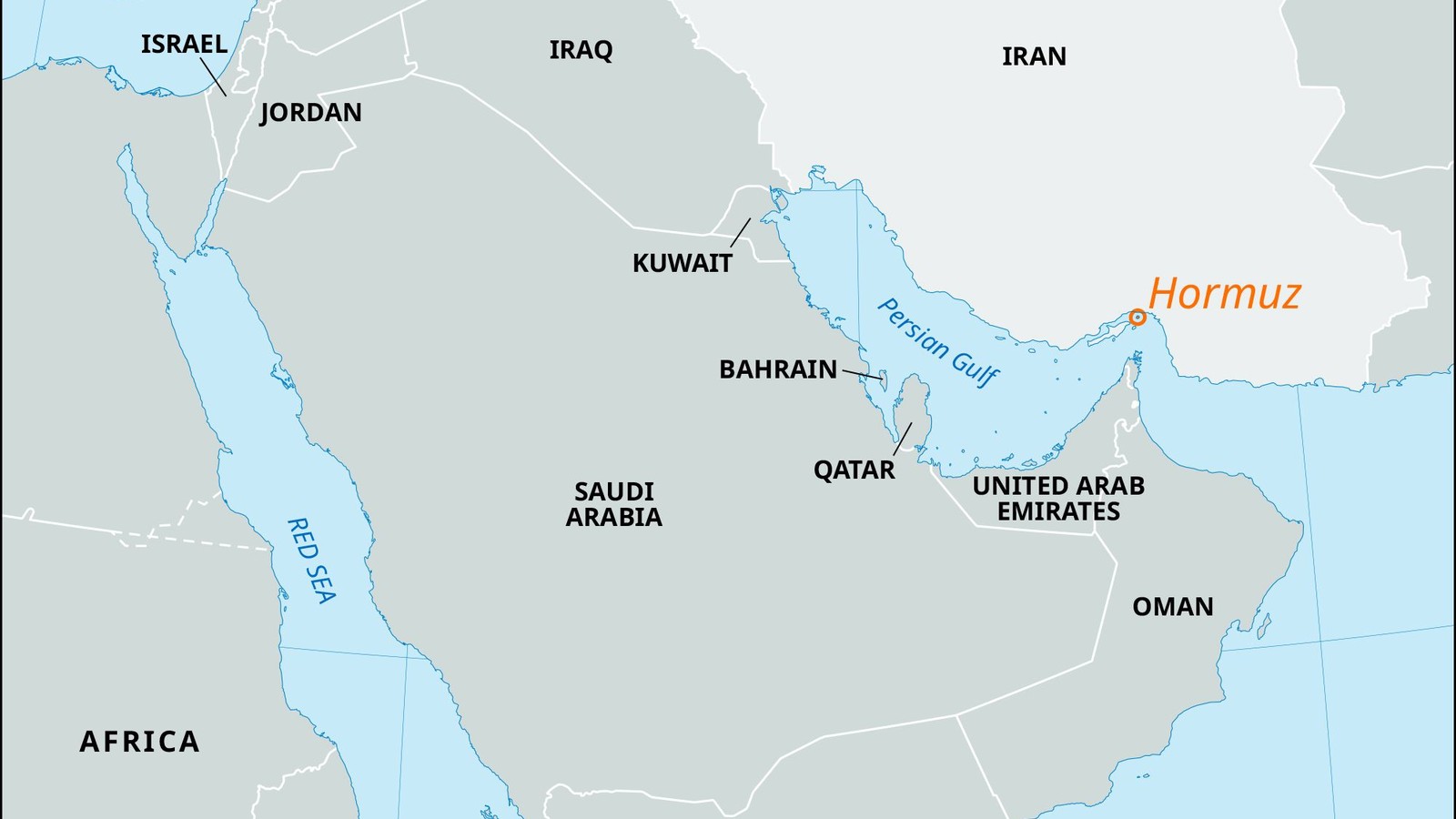
MUSCAT (Azat TV) – The Sultanate of Oman and Iran have begun drafting a formal protocol to monitor and coordinate maritime traffic through the Strait of Hormuz, marking a significant shift toward active diplomatic intervention as the regional war continues to constrict global energy supplies. The announcement, reported by the Iranian state agency IRNA on Thursday, suggests a pivot from Oman’s traditional stance of passive neutrality toward a more involved role in managing the world’s most critical maritime chokepoint.
Stabilizing the Strait of Hormuz
The proposed framework aims to establish a system where tanker transit through the strait is supervised and coordinated between the two nations. According to Kazem Gharibabadi, Iran’s deputy minister of legal and international affairs, the initiative is intended to bring a measure of predictability to a waterway that has been effectively closed since the commencement of hostilities on February 28. The blockade, triggered by U.S. and Israeli strikes against Iran, has resulted in a historic surge in global oil prices and a cascading economic crisis.
The Shift to Active Neutrality
Oman’s decision to engage in this bilateral protocol reflects the mounting pressure on regional states to prevent a total collapse of energy transit. While the United States has publicly downplayed its dependence on oil flowing through the Strait, global markets have reacted sharply to the news. U.S. stock indexes, which were trending downward earlier in the day following warnings from President Donald Trump that the conflict could persist for weeks, saw a sudden reversal after the news of the protocol emerged.
Economic Stakes and Energy Security
The economic burden of the ongoing blockade is evident in the domestic U.S. market, where gasoline prices have climbed over 30% in a single month, crossing the $4 per gallon threshold. Financial analysts and prediction markets are viewing the Omani-Iranian talks as a potential, albeit cautious, diplomatic catalyst. While traders remain skeptical of an immediate ceasefire—with current market odds for such an event by April 7 sitting at just 8.5%—the involvement of Muscat is seen as a necessary precursor to any meaningful de-escalation of the maritime crisis.
The move by Oman to formalize a monitoring protocol with Iran represents a strategic attempt to reclaim agency over regional maritime security. While the protocol may not immediately end the conflict, it signals that the Sultanate is prioritizing the preservation of global energy flow as a matter of national and regional survival, potentially positioning itself as the primary mediator in a conflict that has thus far resisted standard diplomatic overtures.