
Quick Read
- Catherine Connolly declared Ireland’s 10th president, winning 63% of the vote.
- She broke the record for first preference votes with over 876,000 ballots.
- Heather Humphreys conceded and praised Connolly’s commitment to inclusivity.
- More than 178,000 ballots were spoiled, signaling widespread voter frustration.
- Connolly’s term is expected to focus on unity, peace, and environmental issues.
Connolly’s Landslide Victory Ushers in a New Era
On October 25, 2025, Catherine Connolly was officially declared the Republic of Ireland’s next president, defeating her sole opponent, Heather Humphreys, in a decisive landslide. Connolly, a 68-year-old independent politician from Galway, captured 63% of the vote, shattering the previous record for first preference ballots with over 876,000 votes—a feat that highlights both her popularity and the magnitude of her mandate. The election marks a transition from Michael D. Higgins, who served the maximum two terms, to Connolly, who is widely seen as a champion of inclusivity and progressive values.
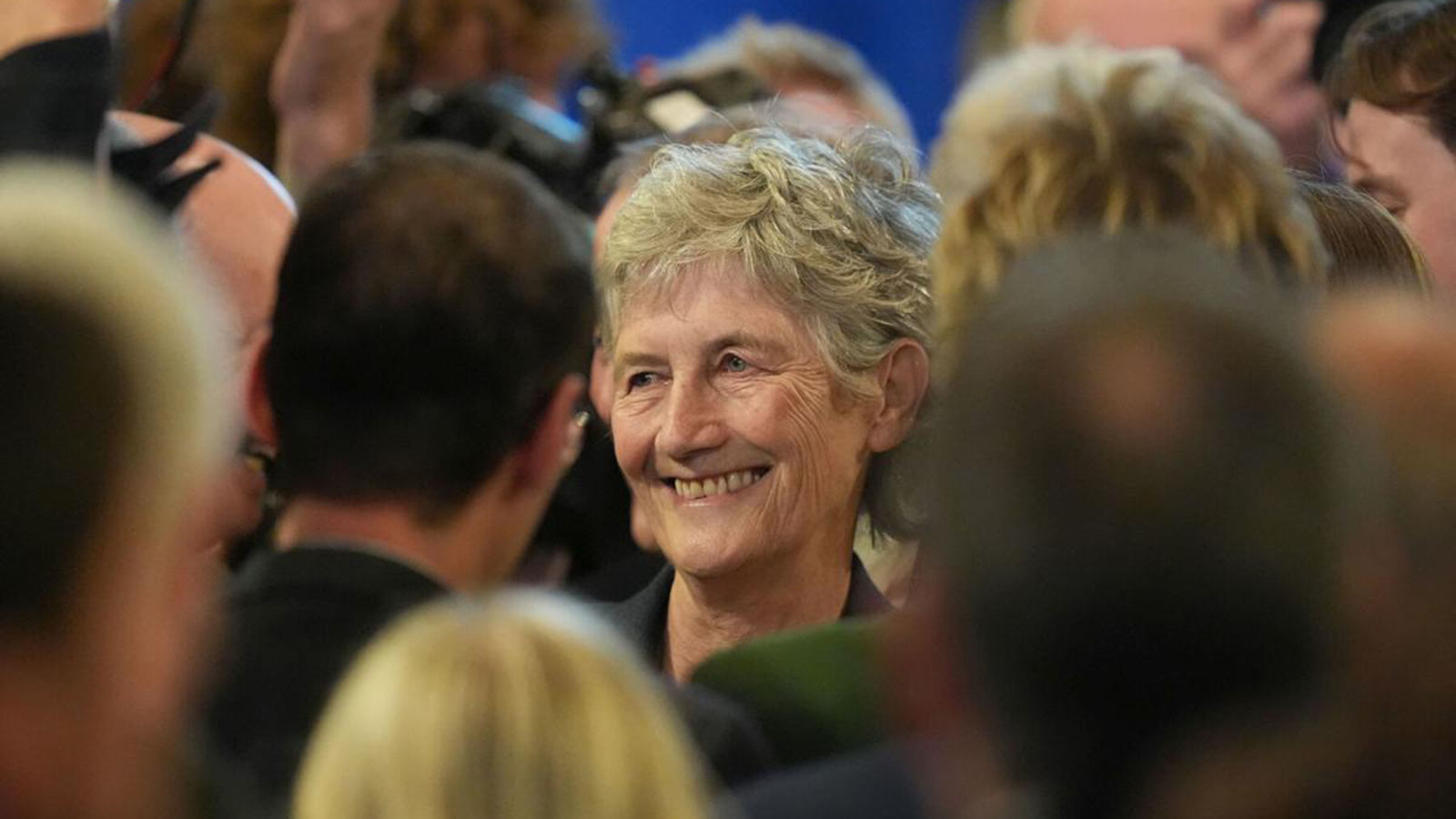
Connolly’s campaign, which she frequently described as a “movement,” resonated with voters across Ireland. She was backed by key left-wing parties, including Sinn Féin, the Social Democrats, and Labour. Their leaders, all prominent women, joined Connolly on the night of her victory, symbolizing a powerful “circle of trust” that reflected the election’s collaborative and energetic spirit. At Dublin Castle, where the results were announced, Connolly entered to rapturous applause, shielding her eyes from the barrage of camera flashes before hugging her supporters.
Unprecedented Spoiled Ballots Signal Voter Frustration
Yet, Connolly’s triumph was not the only headline from this election. More than 178,000 ballots—approximately 12.7% of all votes—were spoiled, an unprecedented figure in Irish presidential history. Dublin Mid West saw the highest rate, with more than 20% of ballots rejected. According to Taoiseach Micheál Martin, this surge in spoiled votes is a clear indicator of widespread public frustration, with many voters using the ballot box to express discontent over issues such as immigration and the nomination process.
Martin, acknowledging the gravity of this signal, called for introspection and potential reforms: “The size of that spoiled vote number is a concern that we have to delve into. The system is a bit restrictive in how one gets nominated. We’re open to change, but we have to work it through with other parties.” These words underscore the need for Ireland’s political establishment to engage with citizens’ concerns, ensuring that the country’s enduring democracy remains responsive and adaptive.
Heather Humphreys Concedes, Emphasizes Unity
Heather Humphreys, the centrist former government minister and candidate for Fine Gael, conceded early on election night. In a gracious address, she thanked her supporters and voiced her confidence in Connolly’s ability to represent all Irish people: “I know Catherine will be a president for all of us. Catherine will be my president and I really want to wish her well. This is her evening.”
The campaign was not without challenges. Humphreys faced sectarian abuse, a fact acknowledged by Sinn Féin leader Mary Lou McDonald, who reaffirmed the necessity for leadership against intolerance. “Sectarian abuse is never acceptable,” McDonald stated, expressing hope that Connolly would lead efforts to foster respect and unity.
A Presidency Pledged to Inclusivity and Listening
Connolly’s victory speech set the tone for her presidency. She pledged to be an inclusive leader, “making no distinction on the basis of votes,” and vowed to listen, reflect, and speak only when necessary. Her commitment to neutrality and peace, coupled with a determination to address existential challenges like climate change, positions her as a president keenly attuned to both domestic and global issues.
“I will raise my voice and our whole mantra during this campaign is we can shape a new republic together,” Connolly declared, signaling her intent to unite Ireland’s diverse communities and harness collective action for the nation’s future. Her openness to considering a border poll—potentially redefining the island’s political landscape—reflects her ambition to be a “voice for peace” and a catalyst for meaningful conversation.
Political Reactions and the Significance of Connolly’s Win
The response from Ireland’s political establishment was overwhelmingly positive. Taoiseach Micheál Martin described Connolly’s victory as an “outstanding honour,” praising her tremendous majority and clear mandate. He commended both Connolly and Humphreys for their courage and commitment, noting the difficulty and significance of running for the presidency.
Tánaiste Simon Harris echoed these sentiments, celebrating Ireland’s “enduring democracy” and the ability of its people to unite behind the election’s outcome. The collaborative atmosphere at Dublin Castle, where key political figures gathered to witness the official declaration, exemplified the country’s commitment to democratic principles and respectful transitions of power.
A Historic Election with Lasting Implications
This presidential election will be remembered not only for Connolly’s record-breaking victory but also for the remarkable level of civic engagement—and dissent—expressed through spoiled ballots. As Ireland prepares for Connolly’s inauguration, the nation stands at a crossroads, with its democratic institutions both celebrated and challenged.
Connolly’s presidency promises to be one of listening, inclusivity, and progressive advocacy. Her personal energy, described by Sinn Féin’s Mary Lou McDonald as “kindness and steel,” will be crucial as she navigates the complexities of Irish society, from fostering unity to championing environmental stewardship.
Connolly’s election is a reflection of Ireland’s evolving political landscape: a call for unity, inclusivity, and responsiveness. The unprecedented number of spoiled ballots demands attention from the country’s leadership, ensuring that Connolly’s presidency is not only a celebration of democracy but also an opportunity to address the underlying frustrations voiced by the electorate. How Ireland responds in the coming years may well define its future as an enduring and adaptive democracy.