

Quick Read
- Cavaliers blew a 22-point fourth-quarter lead.
- James Harden struggled with 5-of-16 shooting and six turnovers.
- Kenny Atkinson’s late-game timeout management faced criticism.
The Anatomy of a Collapse
The Cleveland Cavaliers’ 115-104 overtime loss to the New York Knicks in Game 1 of the NBA playoffs serves as a stark case study in tactical rigidity and late-game mismanagement. Despite maintaining a 22-point advantage with under eight minutes remaining in regulation, the Cavaliers surrendered a 30-8 run to the Knicks, effectively conceding control of the series opener. This collapse, occurring under the high-pressure environment of Madison Square Garden, exposes systemic vulnerabilities that threaten the Cavaliers’ postseason aspirations.
The Harden Variable
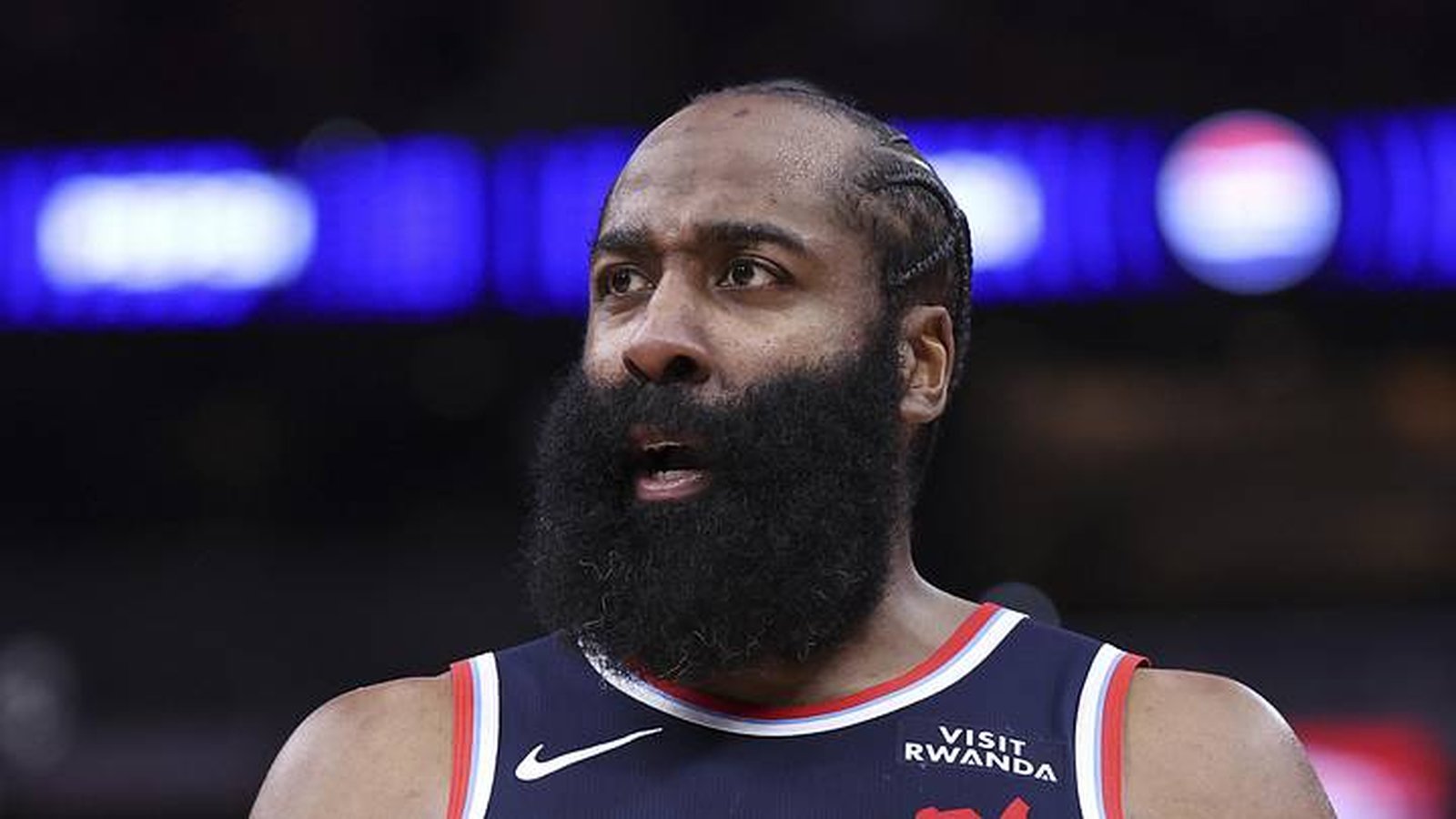
Central to the discourse surrounding this defeat is the performance of James Harden. Statistically, Harden finished with 15 points on 5-of-16 shooting, accompanied by six turnovers and five fouls. More concerning than the box score, however, was his defensive posture during the decisive fourth-quarter surge led by Jalen Brunson. Brunson repeatedly identified Harden as a defensive liability, forcing switches that created high-percentage scoring opportunities for the Knicks.
Coaching Responsibility
Head coach Kenny Atkinson faces significant scrutiny for his management of the closing minutes. The failure to utilize timeouts as the Knicks’ momentum reached a critical threshold—waiting until the lead had evaporated to 18-1—suggests a lack of responsiveness to the game’s shift in tempo. Furthermore, the decision to leave Harden on the floor while Brunson systematically exploited the mismatch raises questions regarding the prioritization of seniority over tactical necessity. The reliance on trapping Brunson late in the game, which opened lanes for secondary shooters like Mikal Bridges and Landry Shamet, indicates a failure to adjust defensive schemes when the initial strategy proved ineffective.
Strategic Stakes
The loss carries profound implications for the remainder of the series. While the Cavaliers have demonstrated resilience in previous postseason rounds, the nature of this defeat—a complete breakdown of both offensive rhythm and defensive discipline—suggests deeper issues. With Game 2 impending, the Cavaliers must decide whether to adjust their rotation to limit Harden’s exposure or to entrust their core players with a more aggressive, perimeter-focused defensive scheme. Failure to rectify these issues could see the team return to Cleveland facing a 0-2 deficit, a position that historically minimizes the probability of advancing.
The Cavaliers’ inability to close out a game they dominated for three quarters highlights a precarious reliance on individual performance over collective structural integrity. If the organization is to salvage this series, the coaching staff must prioritize situational awareness and defensive versatility over established roles. The current trajectory suggests that unless the team addresses the specific tactical weaknesses exploited by New York, their playoff run may be significantly shorter than the roster’s talent level warrants.