
Quick Read
- Former CDC leaders allege political interference in vaccine policy under Health Secretary Robert F Kennedy Jr.
- Kennedy dismissed all 17 ACIP members, replacing them with vaccine skeptics.
- CDC blocked from flu vaccine campaigns despite record pediatric deaths.
- Measles outbreaks surge as vaccine guidance is undermined.
- Major policy changes announced via social media, bypassing scientific review.
Political Mandates Clash With Science: CDC’s Vaccine Decisions Under Scrutiny
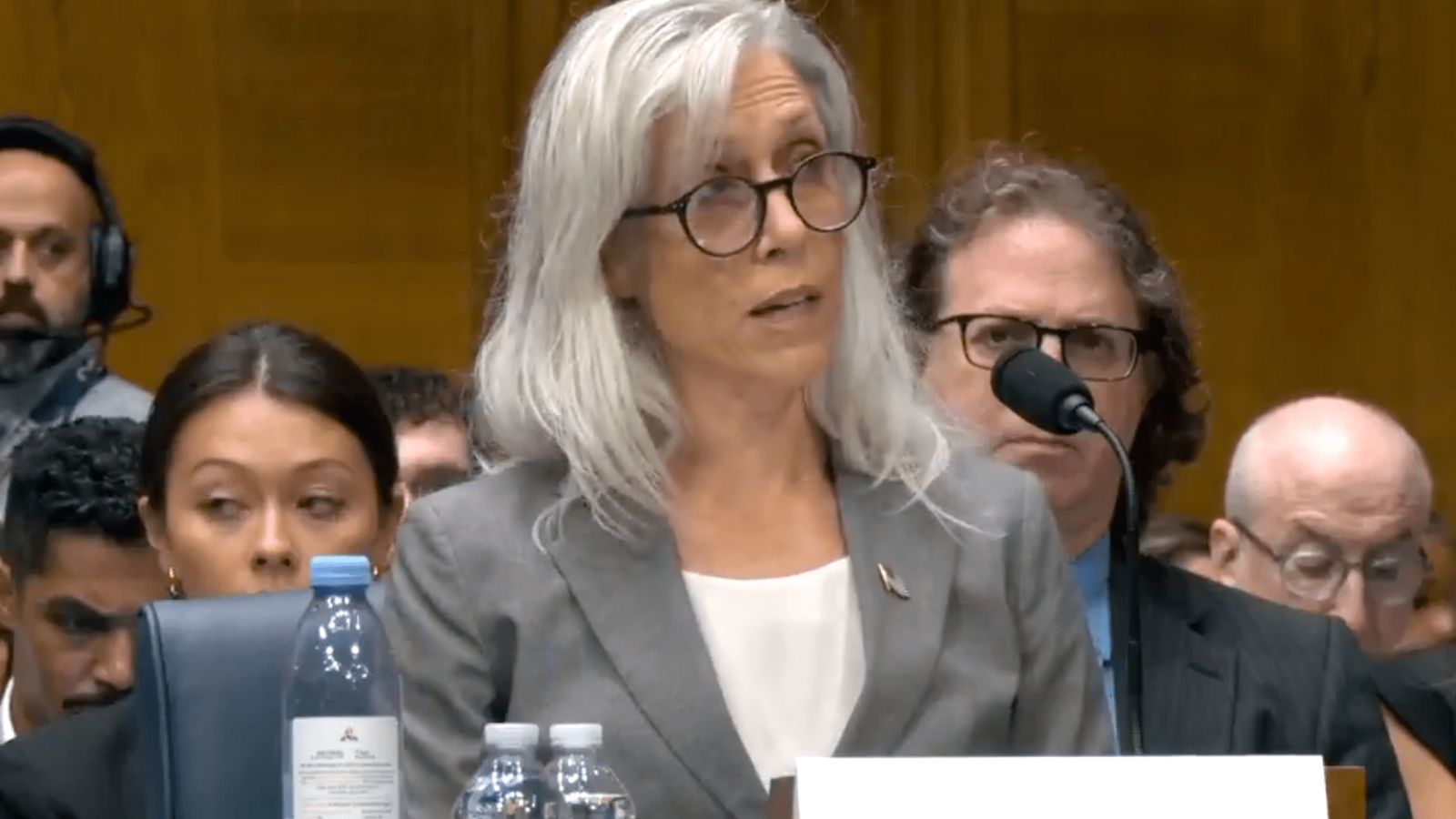
In an extraordinary Senate hearing this week, the inner workings of America’s vaccine policy machinery were laid bare. Former leaders of the Centers for Disease Control and Prevention (CDC) painted a picture of an agency under siege—not from an external threat, but from the very top of its own chain of command. Their testimony centered on Health Secretary Robert F Kennedy Jr, whose recent actions have injected political ideology directly into the heart of CDC decision-making.
Dr Susan Monarez, who until recently served as CDC director, described a climate where science was no longer the guiding star. She recounted how, on August 19, Kennedy told her she needed prior approval from his political staff for every CDC policy and personnel decision. The message was clear: “He directed me to commit in advance to approving every Advisory Committee on Immunization Practices (ACIP) recommendation regardless of the scientific evidence.”
When Monarez refused to rubber-stamp decisions without proper review, Kennedy demanded her resignation. “He also directed me to dismiss career officials responsible for vaccine policy, without cause,” she testified. Her refusal would cost her the job—but, as Monarez emphasized, the real cost may be borne by American families.
ACIP Overhauled: Vaccine Skeptics Take the Helm
The ACIP—the CDC’s expert panel responsible for reviewing and recommending vaccines—has long been a bulwark against preventable disease. But that foundation has shifted. Kennedy dismissed all 17 original members, replacing them with eight individuals, at least half of whom are known vaccine skeptics. Just this week, five more were appointed, four with public doubts about vaccine efficacy, according to The Guardian.
During the COVID-19 pandemic, Kennedy emerged as a leading voice against vaccines, steering his organization, Children’s Health Defense, to challenge vaccine mandates in court. The ripple effects are now being felt in CDC policy.
Dr Debra Houry, the CDC’s former Chief Medical Officer, detailed how Kennedy’s influence has eroded established scientific practices. “Known critics of vaccines” now drive ACIP’s decisions, operating with “decreased transparency” and a “willful refusal to follow established scientific and decision-making procedures.” Houry, a veteran of six administrations, said CDC staff were routinely asked at the last minute to summarize evidence—like the risks of thimerosal, a flu vaccine additive—only for their findings to be dismissed in favor of unvetted, ideologically driven presentations.
Public Health Campaigns Stalled, Measles Outbreaks Surge
The consequences are already being felt. The CDC has been blocked from launching flu vaccine campaigns for the upcoming season, despite a record 270 pediatric deaths from influenza last year—the highest in a non-pandemic year since 2004. Houry noted that 90% of those children were not fully vaccinated.
Meanwhile, the US faces its worst measles outbreak in three decades. Kennedy has publicly questioned the safety and effectiveness of the measles vaccine, even claiming it contains “foetal parts”—a statement refuted by medical experts. Instead, he has promoted vitamins and unproven therapies such as inhaled steroids, leading to incidents like vitamin A toxicity in hospitalized children during a Texas outbreak.
“These dangerous statements can lead to adverse events,” Houry warned, underscoring the direct link between misinformation and real-world harm.
Beyond Vaccines: CDC’s Mission Narrowed, Disease Surveillance Weakened
The interference extends beyond vaccines. Staff working on tobacco reduction, HIV prevention, oral health, and newborn screening have seen their roles cut or redirected. Houry stressed that this downsizing has “put the US at risk for threats like Ebola, Marburg, and other viral hemorrhagic fevers.” With flu and COVID sample submissions down by 60% and 70% respectively, the CDC’s ability to track emerging threats is compromised.
Kennedy’s proposed restructuring would move non-communicable disease programs out of the CDC, fragmenting the agency’s response to interconnected health challenges. “Non-infectious and infectious diseases are linked,” Houry noted, warning that siloed approaches could weaken the nation’s outbreak response.
Social Media Announcements Replace Scientific Process
The traditional flow of scientific review and public health guidance has been upended. Major policy changes, such as updates to CDC’s COVID vaccine guidance, have been announced via Kennedy’s social media posts rather than through formal consultation or review. Houry described learning of one such change from a post on X (formerly Twitter), not through official channels.
“Science censored, processes politicized, and transparency curtailed,” she summarized, raising alarm about the long-term consequences: “Our nation is on track to see drastic increases in preventable diseases and declines in health.”
This week, the ACIP is set to review two crucial pediatric vaccines: hepatitis B, and the combined measles, mumps, rubella, and varicella (MMRV) shot. Monarez warned that the current climate presents a “real risk that recommendations could be made restricting access to vaccines for children and others in need without rigorous scientific review.” She pointed to the recent measles outbreak, which claimed the lives of two children, as a stark reminder of the stakes.
“If vaccine protections are weakened, preventable diseases will return,” she asserted, emphasizing that scientific integrity is not just a bureaucratic principle—it’s a frontline defense for every parent, doctor, and citizen.
The events unfolding at the CDC reveal a profound tension between political authority and scientific expertise. When policy is shaped more by ideology than evidence, the potential fallout extends far beyond administrative reshuffling—it reaches into homes, hospitals, and communities. The outcome of the upcoming ACIP votes will be a critical barometer of whether science or politics will steer America’s vaccine future.