
Quick Read
- Senator John Cornyn introduced the Dalilah’s Law Act to mandate E-Verify checks for all CDL applicants.
- The legislation imposes criminal and civil penalties on states and individuals for issuing or obtaining CDLs without proper status.
- The trucking industry is simultaneously managing labor displacement from automation and significant fleet reinvestment in high-efficiency vehicles.
WASHINGTON (Azat TV) – A proposed legislative overhaul of commercial driver licensing standards is moving through the U.S. Senate, aiming to restrict access to commercial driver’s licenses (CDL) for undocumented immigrants. Introduced on March 26, 2026, by Senator John Cornyn (R-Texas), the Dalilah’s Law Act seeks to implement strict federal verification requirements for all CDL applicants, marking a significant escalation in the federal government’s role in state-level licensing oversight.
Legislative Crackdown on CDL Eligibility Standards
The proposed legislation, named after a 2024 accident victim, would mandate that all CDL applicants verify their employment eligibility through federal systems such as E-Verify. The bill creates new criminal and civil penalties for both undocumented individuals who obtain or use CDLs in interstate commerce and for state officials who fail to enforce these verification standards. Supporters of the bill argue that the measure is necessary to close security gaps that have allowed some states to issue licenses to individuals without authorized immigration status, citing public safety as the primary catalyst for the reform.
Impact on Trucking Logistics and Labor Stability
The move comes at a precarious time for the North American logistics sector, which is already navigating complex labor shifts. While policymakers debate the tightening of licensing requirements, the industry is simultaneously contending with localized job losses due to automation. For instance, United Natural Foods Inc. recently announced the closure of a major Wisconsin facility, resulting in the layoff of 29 truck drivers and 49 delivery personnel as the company transitions to automated systems. These dual pressures—stricter regulatory compliance and technological displacement—are forcing small trucking firms to re-evaluate their operational costs and labor supply strategies.
Capital Investment Amid Regulatory Uncertainty
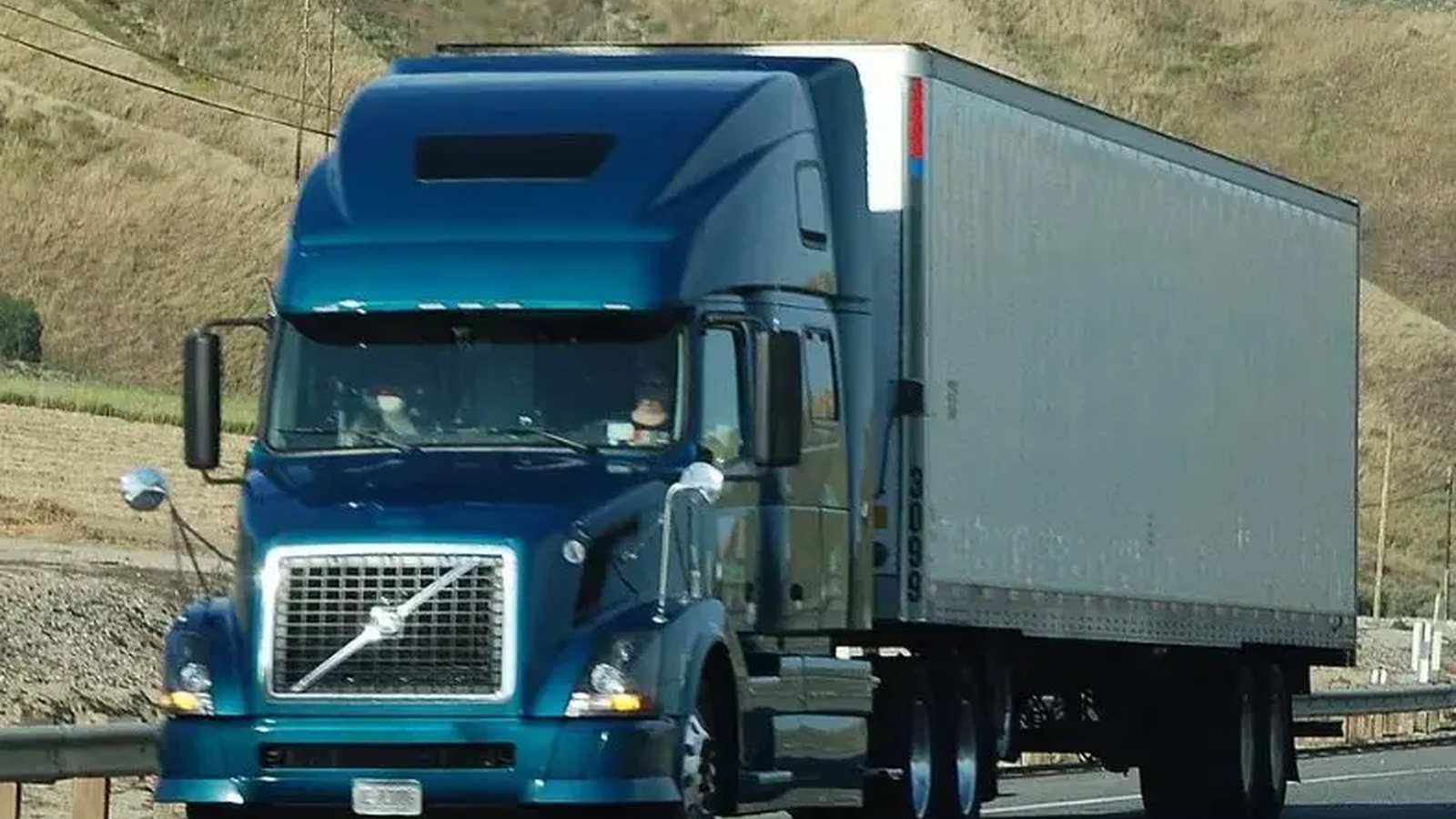
Despite the tightening regulatory environment, fleet investment remains robust among major providers. TEL, a Tennessee-based leasing firm, recently finalized an order for 400 new Volvo VNL 860 sleeper units. This investment highlights a broader industry push toward equipment that maximizes fuel efficiency and safety, with roughly 15,000 of the new VNL platforms currently in operation across the continent. Small to mid-sized firms, however, remain concerned that the combination of new compliance mandates and the rising cost of high-tech fleet upgrades could create significant barriers to entry, further tightening the labor market for qualified drivers.
The confluence of Dalilah’s Law and the ongoing automation-driven restructuring suggests that the trucking industry is transitioning into a phase of higher barrier-to-entry, where both regulatory compliance and capital-intensive fleet modernization will increasingly favor large-scale operators over independent owner-operators.