
Quick Read
- Chagas disease, caused by the Trypanosoma cruzi parasite, is spreading in 32 U.S. states.
- The disease is transmitted by triatomine insects, known as ‘kissing bugs.’
- Experts estimate 300,000 cases in the U.S., though many go undiagnosed.
- The disease can cause fatal heart complications if untreated in its chronic phase.
- Scientists call for endemic designation to improve awareness and access to treatments.
The spread of the Chagas disease, a potentially fatal infection caused by the Trypanosoma cruzi parasite and transmitted by triatomine insects, commonly known as ‘kissing bugs,’ has reached alarming levels in the United States. According to a report published by The News on September 6, 2025, these insects have now been detected in 32 states, with Texas, New Mexico, and Arizona showing the highest concentrations. This development has prompted calls from scientists and health organizations for the Centers for Disease Control and Prevention (CDC) and the World Health Organization (WHO) to designate the disease as endemic in the U.S.
What Are Kissing Bugs and How Do They Spread Chagas Disease?
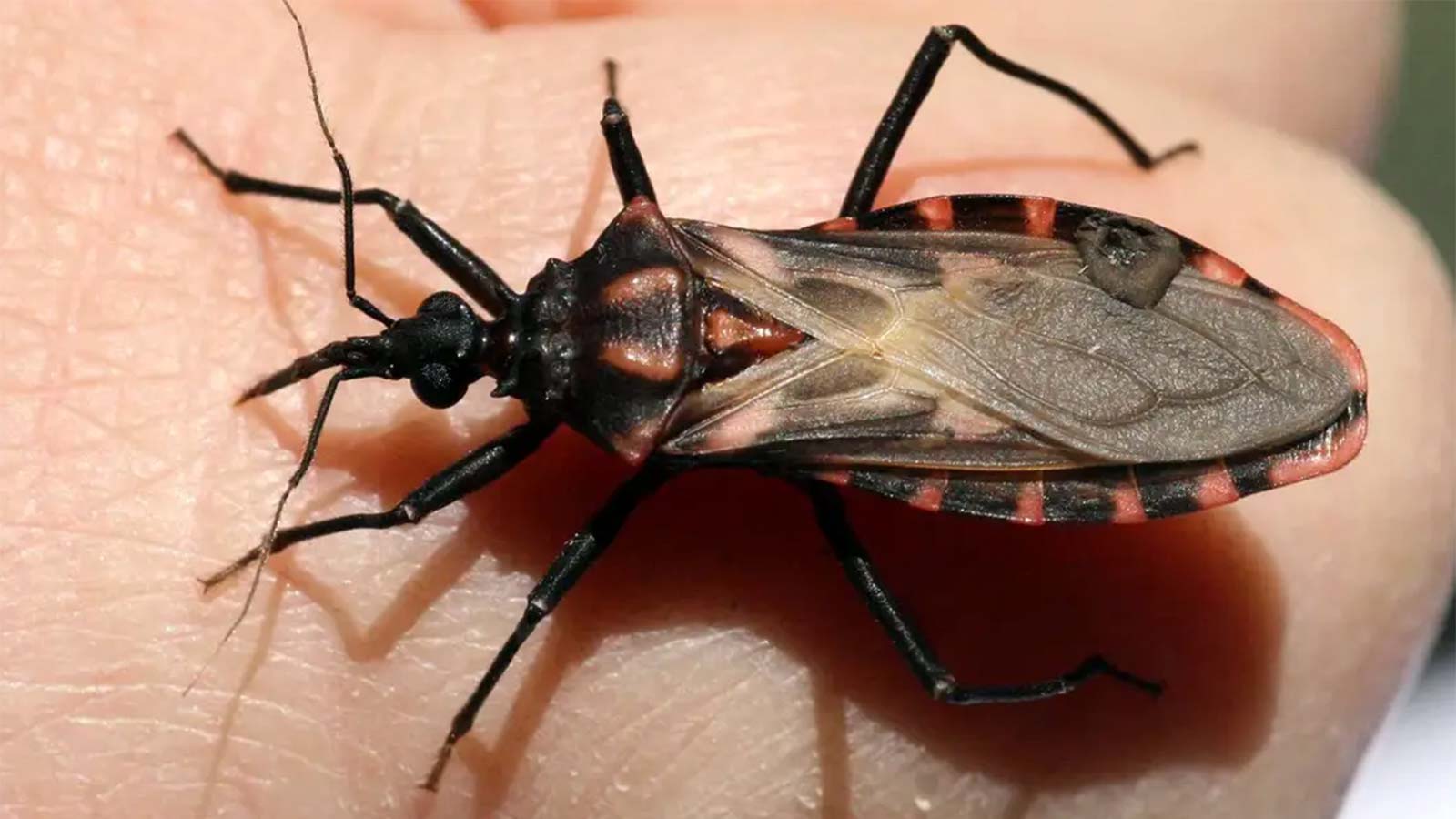
Kissing bugs are black-and-brown insects that feed on human blood, typically biting around facial areas during the night. The disease they transmit, Chagas, progresses through two phases. The acute phase is often asymptomatic and treatable with antiparasitic drugs, while the chronic phase can result in fatal heart complications years or even decades later. Transmission occurs when the insect’s feces enter bite wounds or mucous membranes. Other modes of transmission include blood transfusions, organ transplants, and maternal-fetal transmission.
Dr. Salvador Hernandez, a cardiologist, told The News, “If we screened for it and caught it early, most patients could be cured. The problem is we don’t, and people end up dying.” He emphasized the urgent need for broader awareness and early detection programs. The American Heart Association estimates around 300,000 cases in the U.S., though many are likely underdiagnosed.
Chagas Disease’s Historical and Global Context
Historically, Chagas disease has been most prevalent in Latin America, where the kissing bug species are native. However, globalization and climate change have contributed to the insects’ spread into new regions, including the United States. According to health experts, 11 species of kissing bugs are now present in the U.S. alone, affecting an estimated 7 million people globally.
The disease disproportionately impacts marginalized and rural communities, where access to healthcare is limited. This makes the call for endemic designation even more critical, as it could lead to increased funding for research, better access to treatments, and more widespread screening programs.
Symptoms and Long-Term Risks
One of the challenges of controlling Chagas disease is its often silent progression. Most infected individuals remain asymptomatic during the acute phase, which can last for weeks or months. When symptoms do appear, they may include fever, fatigue, and swelling at the bite site—symptoms easily mistaken for other illnesses.
The chronic phase, however, poses severe health risks. Approximately 30% of infected individuals develop cardiac issues, including arrhythmias and heart failure, while 10% suffer from digestive complications. Without early detection and treatment, these complications can be fatal.
Urgent Need for Action
Health experts are urging government agencies to take immediate action. Declaring Chagas as endemic could significantly accelerate the rollout of public health measures, including education campaigns and expanded access to diagnostics and treatments. Currently, antiparasitic drugs for Chagas are only effective during the acute phase, underscoring the importance of early detection.
Moreover, scientists are calling for more research into the ecological factors contributing to the spread of kissing bugs. Climate change, for instance, is believed to play a role in expanding the insects’ habitat, allowing them to thrive in previously unaffected areas.
The spread of Chagas disease via kissing bugs represents a growing public health challenge in the United States. With increasing cases and new regions affected, the need for awareness, early detection, and effective treatment has never been more critical.