


The Saraya health district in Senegal, mirroring a similar situation in Kédougou, is currently grappling with a confirmed measles outbreak. This highly contagious viral disease, which predominantly affects children, has prompted an immediate and robust response from local health authorities to contain its spread and protect vulnerable populations. The alert was officially confirmed by Alioune Faye, the focal point for the Expanded Program on Immunization (EPI) and epidemiological surveillance within the Saraya health district.
Official data indicates that seven confirmed cases of measles were recorded between December and the beginning of January. The geographical distribution of these cases reveals distinct clusters, with four infections identified in Khossanto, two in Mamakhono, and one case in Bransan. This rapid emergence of cases across multiple localities triggered a swift mobilization of health services, underscoring the urgency of the situation.
Targeted Response and Strategic Vaccination Efforts
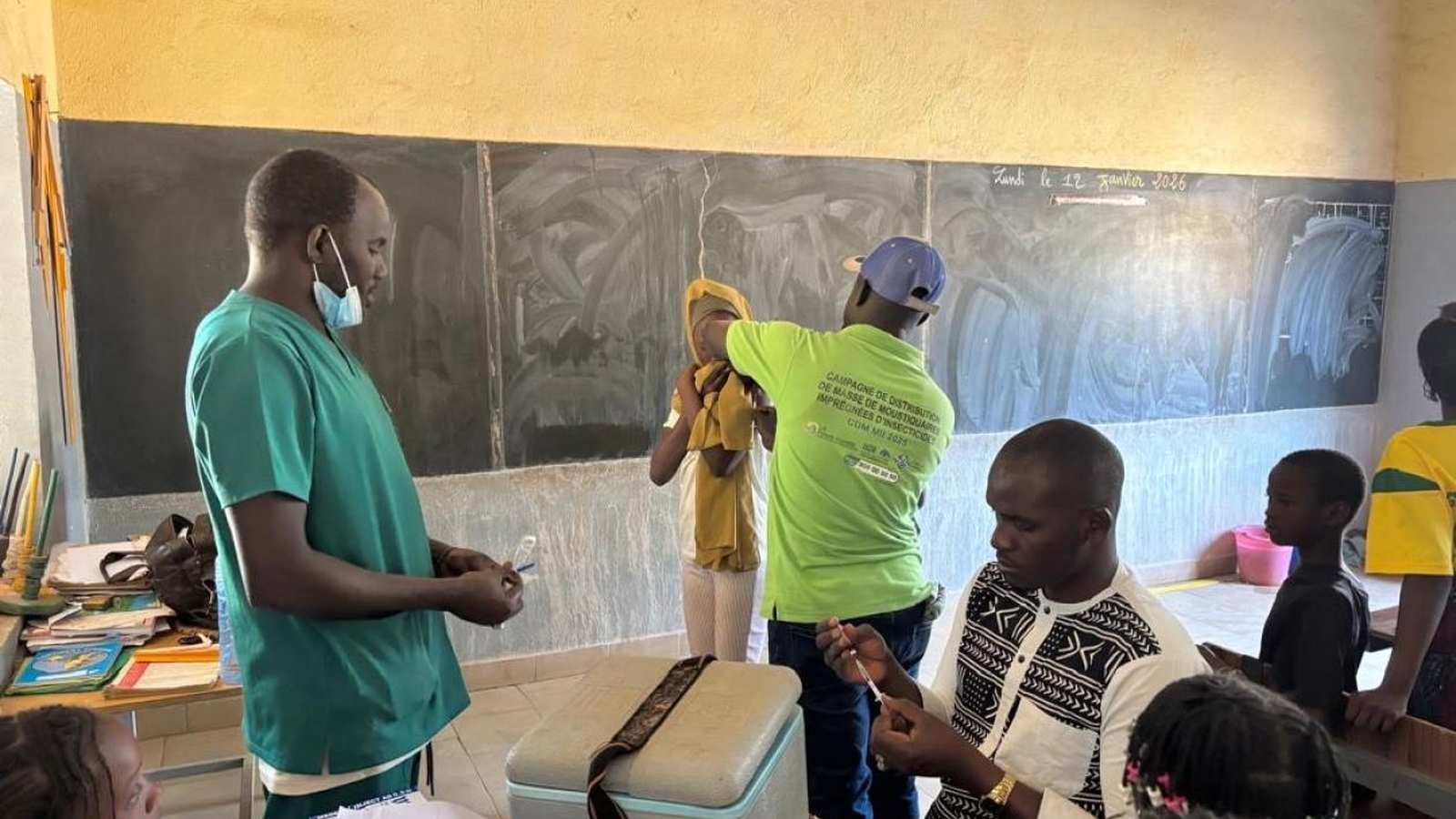
In response to the concerning outbreak, health authorities wasted no time in initiating a comprehensive epidemiological response. Alioune Faye explained that the intervention began in Mamakhono and Khossanto, specifically targeting preschools and collaborating closely with teaching staff. This strategic approach enabled the vaccination of all children aged 9 months to 5 years in these affected areas, a critical step aimed at creating a protective barrier against further transmission.
The EPI focal point clarified that the Saraya district will officially remain in an epidemic state until February 6th. Faye offered reassurance, stating, “If no new cases are recorded by then, we will be able to declare the end of the epidemic.” This statement highlights the importance of rigorous epidemiological monitoring and surveillance during this critical period to accurately assess the effectiveness of the containment measures.
As part of its broader strategy, the Saraya health district has set an ambitious goal: to vaccinate 11,355 children aged 9 months to 5 years across the entire district. This extensive vaccination campaign is designed to significantly strengthen herd immunity within the community, thereby preventing new outbreaks and safeguarding the health of all children in the region. The proactive measure reflects a commitment to long-term public health resilience.
Positive Outcomes Amidst Challenges
Despite the initial alarm, health authorities have provided reassuring updates regarding the evolution of confirmed cases. To date, no serious cases or fatalities have been reported, a testament to the effectiveness of the care provided and the speed with which the health response was implemented. This positive outcome underscores the importance of early detection and rapid intervention in managing highly contagious diseases.
The fight against measles has seen full mobilization across key health posts, including those in Khossanto, Mamakhono, Bransan, and Sabodala. Furthermore, a crucial coordination meeting was convened with various health stakeholders. The objective of this meeting was to anticipate potential challenges and reinforce prevention measures in other health posts within the department that have not yet been affected. This foresight is particularly vital in a region characterized by high population mobility, which is recognized as a significant risk factor for the rapid spread of infectious diseases.
Alioune Faye also addressed public concerns regarding vaccine availability, assuring residents that there is a sufficient supply to meet the demands of the ongoing campaign. He emphasized the collective responsibility in combating the disease, stating, “Measles is a highly contagious disease. Everyone’s cooperation is essential to achieving our main objective, which is to protect all the children in the department.” Faye concluded by urging parents to ensure their children are regularly vaccinated and to promptly report any suspected cases to health authorities.
Community Engagement and Preparedness
The success of the measles containment effort in Saraya hinges not only on the efforts of health professionals but also on the active participation and vigilance of the community. Public awareness campaigns are crucial to educate parents about the symptoms of measles, the importance of vaccination, and the need for early reporting. By fostering a collaborative environment, where health authorities and residents work in tandem, the district aims to create a robust defense against future outbreaks.
Local leadership and community elders also play a pivotal role in disseminating accurate information and encouraging compliance with health directives. Their influence can help overcome potential vaccine hesitancy or misinformation, ensuring that the maximum number of children receive the necessary protection. The integrated approach, combining clinical intervention with community engagement, is a cornerstone of effective public health management in regions with diverse populations and varying access to information.
The current situation in Saraya serves as a stark reminder of the persistent threat posed by vaccine-preventable diseases, even in an era of advanced medical science. The swift action by the Senegalese health system in deploying resources and implementing a targeted vaccination strategy exemplifies a proactive approach to public health. This preparedness is essential not only for immediate crisis management but also for building resilient health infrastructures capable of responding to future epidemiological challenges. The ongoing monitoring until February 6th will be critical in determining the full success of these intensive efforts.
The rapid and comprehensive response by Saraya’s health authorities, despite the inherent challenge of high population mobility in the region, highlights the critical role of proactive public health initiatives and sustained community engagement in effectively containing highly contagious diseases like measles, particularly within vulnerable populations.