
Quick Read
- The Chainsaw Man – Reze Arc movie expands on several key manga scenes, adding emotional and visual depth.
- Makima’s intentions are foreshadowed more directly in the film, setting up future storylines.
- The Typhoon Devil battle and Denji vs. Reze showdown are longer and more intense than in the manga.
- A new airplane motif is introduced, hinting at the upcoming International Assassins Arc for Season 2.
- The film’s cinematic approach was praised for its emotional impact and narrative focus.
Reze Arc Movie: A Cinematic Shift in Chainsaw Man’s Storytelling
When MAPPA unveiled Chainsaw Man – The Movie: Reze Arc, fans knew something was different. Gone was the conventional episodic format; in its place, a feature-length adaptation that dared to reimagine some of the manga’s most pivotal moments. This wasn’t just a bold production choice—it was an artistic statement, signaling a new era for anime storytelling and for Chainsaw Man itself.
Ryan Colt Levy, the English voice of Denji, described the film’s vibe as “if a Ghibli movie was a psychedelic nightmare,” referencing the haunting beauty and surreal tension that permeates the adaptation (CBR). The Reze Arc is inherently cinematic, Levy noted, and MAPPA leaned into that, expanding scenes, deepening emotional beats, and layering in motifs that hint at the larger narrative yet to unfold in Season 2.
Expanding the Manga: Subtle Changes with Lasting Impact
MAPPA’s respect for Tatsuki Fujimoto’s source material is evident, but the studio wasn’t afraid to take creative liberties. Many of the changes serve to embellish what was already present in the manga, offering viewers a richer, more immersive experience. These aren’t arbitrary additions—they feel like extensions of the story’s DNA, moments that the manga only hinted at but which the film brings to life in vivid detail.
One of the most notable expansions is the foreshadowing of Makima’s intentions. In the movie, Makima lingers with her head on Denji’s chest, listening for the heartbeat of Pochita. The scene is charged with quiet menace—a deep breath, a subtle sniff, and a tension that anime-only viewers may not yet fully grasp. This extra attention not only amplifies Makima’s enigmatic presence but also sets up psychological stakes for the arcs to come.
The Typhoon Devil’s battle is another standout. Unlike the manga’s relatively brief encounter, the movie turns Denji’s fight into a visceral struggle. The swirling, multicolored tornado and the use of blood as a visual callback to Fujimoto’s iconic cover art is MAPPA’s way of honoring fans while raising the stakes. Denji’s desperation is palpable, every slash and dodge more hard-earned than ever before.
Reze and Denji: Love, Lies, and Loss on the Big Screen
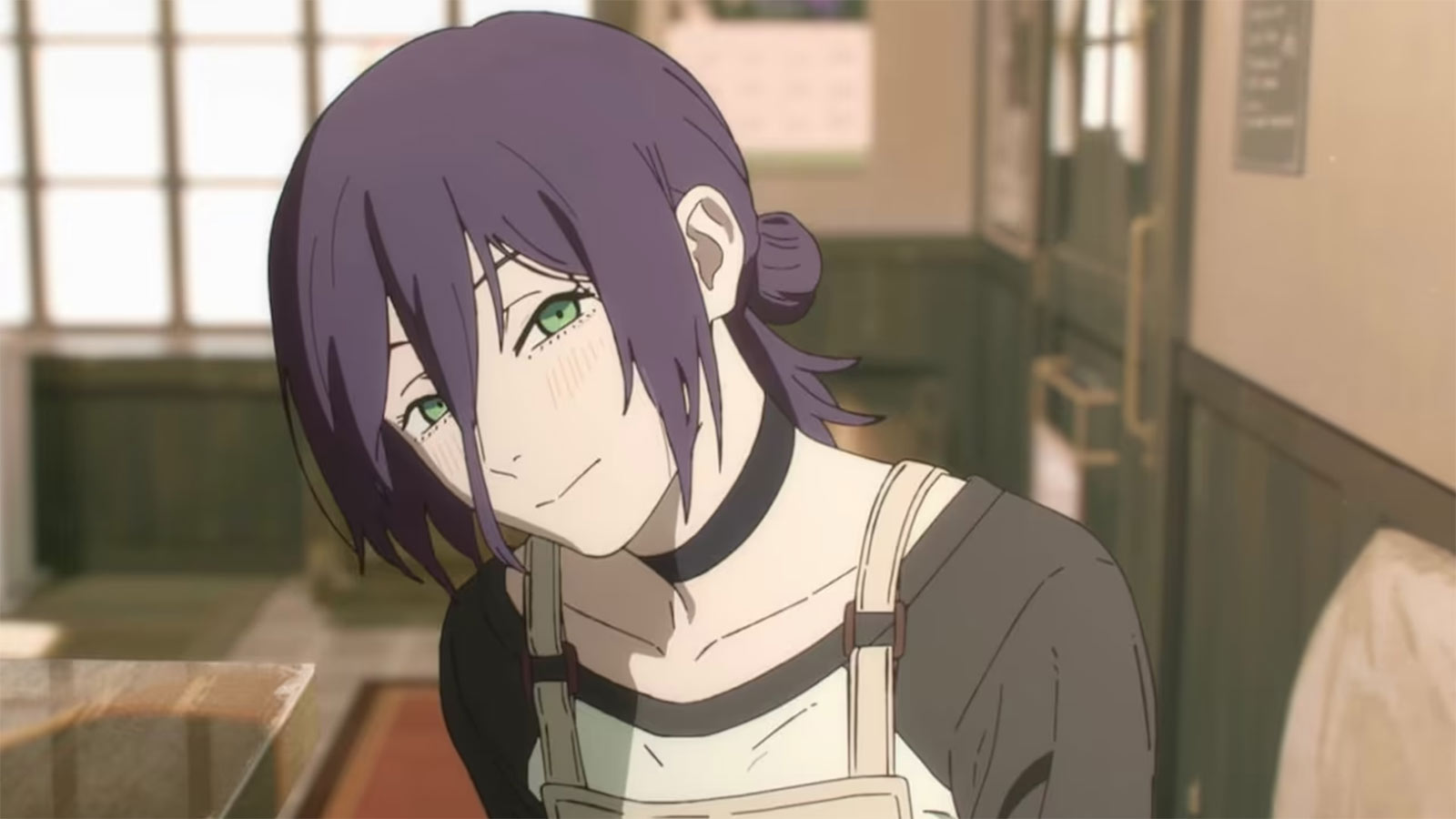
The heart of the Reze Arc is the relationship between Denji and Reze—a romance tinged with danger and deception. The film’s final showdown between Bomb Girl and Denji stretches beyond the manga, allowing for more nuanced choreography and emotional payoffs. When Reze rests her head on Denji’s shoulder as they sink into the ocean, the moment lingers, blurring the line between defeat and comfort. It’s a quiet, surreal interlude in the chaos, hinting at a depth of feeling that Denji has never experienced before.
Symbolism abounds. Reze’s web of lies is woven around Denji with the slow patience of a spider ensnaring its prey—a metaphor that comes full circle when Reze herself is caught in Makima’s own manipulative web. The film doesn’t shy away from these layered dynamics, using visual storytelling to foreshadow the control and power plays that will dominate Season 2.
Even the side characters get expanded treatment. The serial killer who targets Reze is given an extra scene—a brutal, unsettling moment that underscores the dangers lurking in Denji’s world. By juxtaposing Denji’s naive fantasies with Reze’s peril, the film deepens the emotional stakes, reminding viewers that innocence is always at risk in Chainsaw Man.
Motifs, Metaphors, and the Future of Chainsaw Man
MAPPA introduces an anime-only airplane motif that shadows Reze throughout the film. It’s a clever device, symbolizing her mission and the ever-present threat of the system that controls her. The airplane isn’t just a background detail—it becomes a metaphor for escape, longing, and the impossibility of breaking free. It also serves as a subtle nod to the International Assassins Arc, teasing fans about what’s to come in Season 2.
The pool scene—already iconic in the manga—is lovingly expanded in the movie. Denji’s first experience of true love is painted with a surreal, almost magical touch. The details are sharper, the emotions rawer, and the sense of fleeting happiness more pronounced. It’s a moment that encapsulates the bittersweet beauty of Chainsaw Man: joy always shadowed by impending loss.
Levy’s commentary in his interview with CBR reinforces why the Reze Arc works so well as a film. It’s a self-contained story, romantic and tragic, with just enough set pieces to feel epic but not overwhelming. The cinematic format forces viewers to confront the emotional depths of the characters, especially Denji, as he stumbles through the pain and confusion of growing up in a world shaped by violence and manipulation.
Setting the Stage for Season 2: What Comes Next?
By adapting the Reze Arc as a movie, MAPPA has created a bridge between the first season and the narrative complexity of Season 2. The film’s expanded scenes and motifs lay the groundwork for the International Assassins Arc, promising even more intrigue, heartbreak, and action. Fans who pay attention to the subtle hints—the airplane, Makima’s quiet moments, Reze’s tangled web—will find themselves primed for the next chapter.
The decision to make the Reze Arc a theatrical event rather than a standard season wasn’t just logistical; it was a narrative choice. As Levy said, “This particular arc is so romantic and sad and beautiful, and it plays to so many different kinds of things that people love to see in a movie.” The film’s success signals a shift in how anime can be adapted, pushing the boundaries of storytelling and audience engagement.
In the end, Chainsaw Man Season 2 stands poised to build on the emotional and thematic foundation laid by the Reze Arc movie. Fans can expect deeper character studies, more intricate power plays, and a relentless march toward Denji’s uncertain future.
MAPPA’s adaptation of the Reze Arc doesn’t just retell a story—it redefines what Chainsaw Man can be, blending cinematic artistry with psychological depth. The choices made in the film resonate beyond the screen, ensuring that Season 2 will be both a continuation and an evolution, driven by the groundwork laid in this unforgettable movie chapter.