
Quick Read
- Charlottetown’s overnight parking ban is in effect until April 15, 2025.
- Parking is prohibited on all municipal roads from 11 p.m. to 6 a.m., regardless of weather.
- Vehicles parked during restricted hours may be ticketed or towed at owner’s expense.
- The ban applies to all, including those with residential parking permits.
- The policy aims to support efficient snow removal and public safety.
As the first real cold snaps grip Prince Edward Island in the heart of winter 2025, Charlottetown’s annual overnight parking ban returns—an essential but often misunderstood part of the city’s cold-season routine. For residents, this isn’t just another seasonal rule; it’s a cornerstone of how the city prepares for—and reacts to—the unpredictable winter weather.
According to a recent city news release, the ban restricts parking on all municipal roads from 11 p.m. to 6 a.m., every night, regardless of whether a snowstorm is in the forecast or not. For many, this might raise a simple, practical question: Why such a sweeping, unwavering restriction?
Why Does Charlottetown Enforce an Overnight Parking Ban?
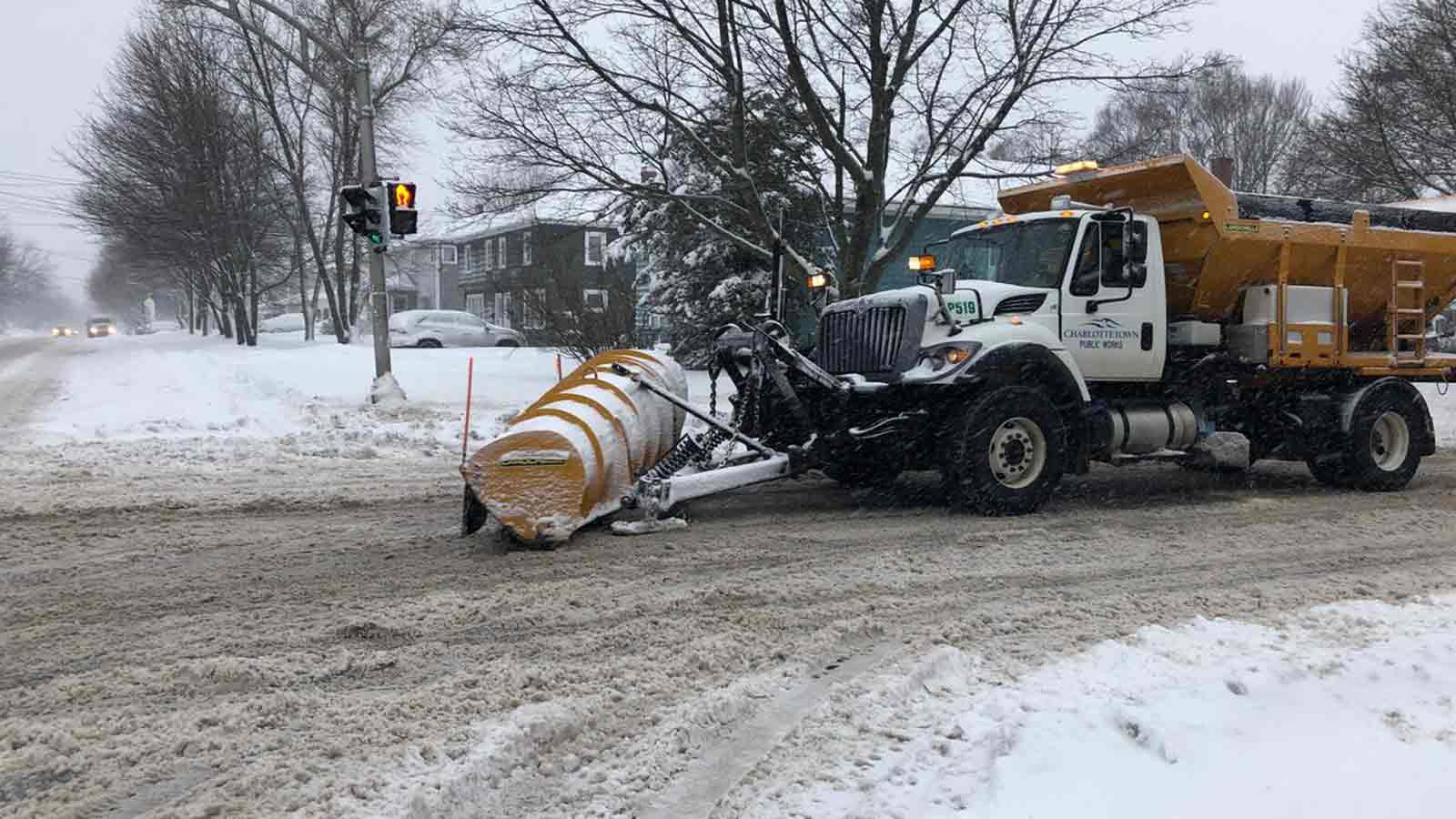
The answer lies in the city’s efforts to keep roads clear for snow removal crews. When snow hits, plows need unobstructed access to municipal streets to efficiently clear snow and ice. Even a single parked car can disrupt the process, forcing plows to swerve and leaving pockets of snow that later freeze, creating hazards for drivers and pedestrians alike. The city’s approach is proactive, aiming to avoid last-minute confusion or the need to scramble for compliance during a storm.
But this policy goes beyond just operational efficiency—it’s about safety. Snow removal teams work overnight to ensure that by sunrise, roads are as safe and passable as possible for commuters, emergency vehicles, and delivery trucks. By enforcing the ban regardless of the immediate forecast, Charlottetown is betting on consistency as a way to keep everyone on the same page, and the streets reliably clear.
Who Is Affected—and Are There Any Exceptions?
The ban applies to every vehicle parked on municipal roads during the restricted hours, even those with residential parking permits. The city’s announcement is clear: no exceptions, no matter how familiar you are with the neighborhood or how long you’ve lived there. This universal approach aims to eliminate ambiguity—if it’s a municipal road, it’s subject to the ban.
For residents who rely on street parking, this can be an inconvenience. It means making alternate arrangements, whether it’s squeezing into a crowded driveway, negotiating with neighbors, or seeking out available public lots. Those who ignore the ban risk more than just a slap on the wrist. Vehicles found in violation may be ticketed and, in some cases, towed at the owner’s expense. The financial sting of a tow, combined with the hassle of retrieving your car, is a powerful deterrent.
How Long Will the Ban Last?
Charlottetown’s overnight parking restrictions are set to remain in effect until April 15, 2025. That’s a long stretch—essentially the full arc of the island’s winter and early spring, when unpredictable weather can still dump snow late into the season. Residents are urged to keep the date in mind, as forgetting could prove costly.
The city’s stance is pragmatic: better to be over-prepared than caught off-guard by a March blizzard. This extended timeline gives snow removal teams the flexibility to respond to late-season storms without needing to re-educate the public or reissue emergency notices.
What Should Residents Do?
The city recommends residents plan ahead. If you normally park on the street, now’s the time to investigate other options. Some local businesses offer overnight parking in their lots for a small fee, while others may allow short-term arrangements with prior notice. Neighbors with extra driveway space might be open to sharing—sometimes all it takes is a polite conversation.
For new arrivals or those who might have missed the city’s announcement, it’s crucial to spread the word. Social media posts, group chats, and even a quick mention at community gatherings can help prevent costly mistakes. The city also notes that enforcement is active every night, not just when snow is expected. This means even on clear, dry evenings, the ban remains in effect.
Charlottetown’s approach is firm but transparent. The city’s website and local news outlets, such as SaltWire, regularly update residents on the status of the ban and provide reminders as the season progresses. This open communication aims to foster compliance, rather than conflict.
The Bigger Picture: Urban Planning Meets Winter Reality
Charlottetown isn’t alone in its strategy. Cities across Canada implement similar bans, each tailored to local climate and infrastructure. For Charlottetown, with its mix of historic streets and modern developments, the challenge is balancing tradition with necessity. Residents may grumble about the inconvenience, but most understand that the alternative—slippery, snow-choked roads—is far worse.
In a sense, the overnight parking ban serves as a reminder of the delicate choreography required to keep a city moving in winter. It’s not just about snow plows and salt trucks; it’s about foresight, cooperation, and the shared understanding that a little inconvenience now can prevent chaos later.
For visitors and newcomers, the message is clear: check before you park, especially overnight. Local hotels and rental agencies often provide guidance for guests unfamiliar with the rules. Failing to do so can result in an unwelcome surprise—and a reminder of the city’s commitment to keeping roads safe and accessible for all.
As winter deepens, Charlottetown’s overnight parking ban remains one of the city’s most important, if occasionally controversial, tools. The policy is rooted in practicality, but its impact ripples through the daily lives of residents, shaping routines and neighborhood dynamics until spring finally arrives.
Charlottetown’s unwavering overnight parking ban is a case study in how cities prioritize public safety and operational readiness over short-term convenience. While it’s a challenge for some, its long-term benefits—safer roads, efficient snow removal, and fewer emergency disruptions—are hard to ignore. The real test, as always, is in the city’s ability to communicate and enforce the policy with fairness and consistency, ensuring that winter’s unpredictability doesn’t catch anyone off guard.