


Chase DeLauter Joins Elite Company With Playoff Debut
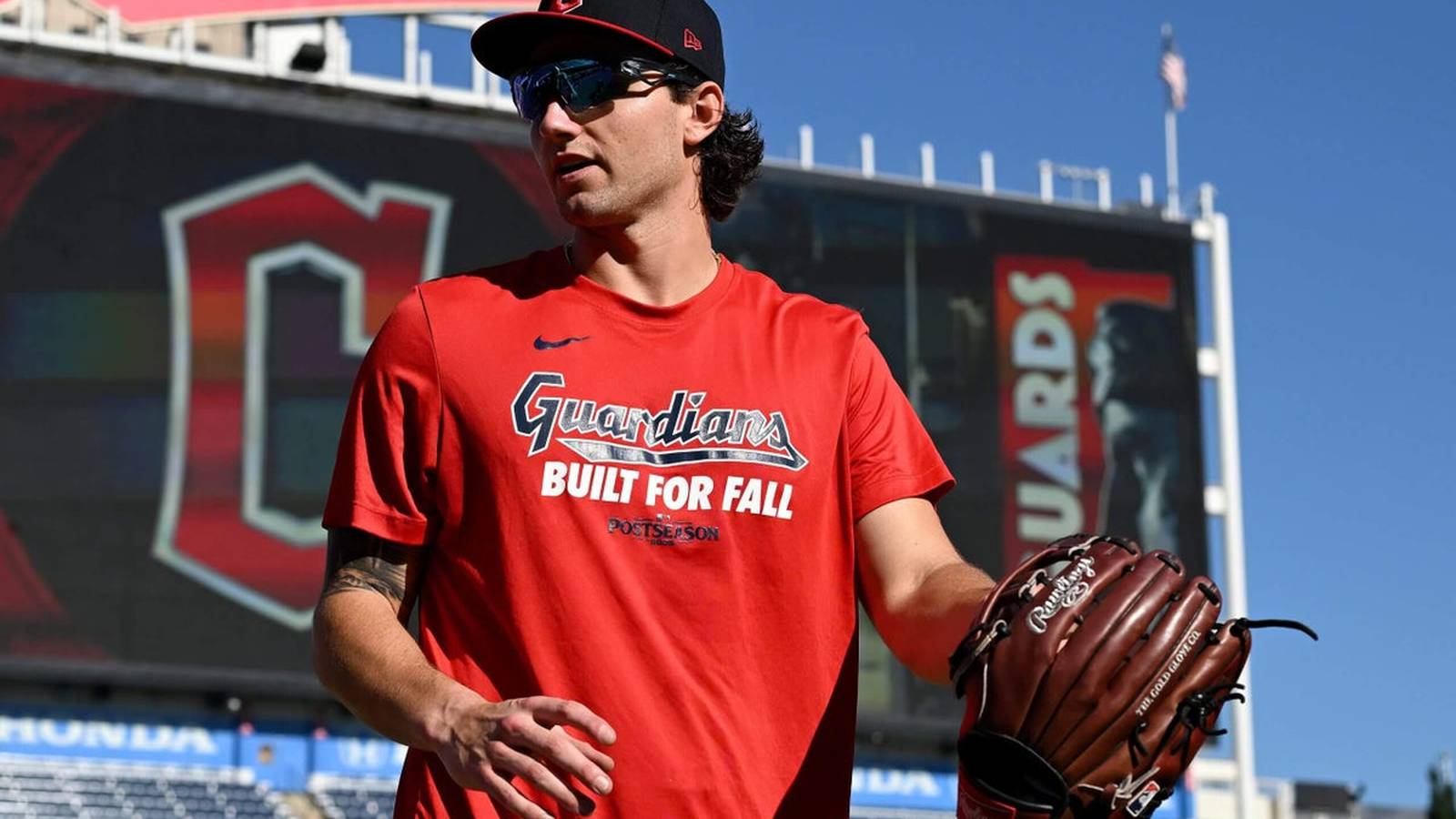
When Chase DeLauter jogged onto the field at Progressive Field, the roar from Cleveland fans wasn’t just for a prospect—they were cheering for hope. As Game 2 of the American League Wild Card Series loomed, the Guardians were in a corner: one more loss and their season was done. Into this pressure-cooker stepped DeLauter, a 23-year-old outfielder, making his major league debut on baseball’s biggest stage.
DeLauter’s entrance wasn’t just notable for Cleveland. According to MLB Pipeline, he’s the Guardians’ No. 2 prospect and the 54th overall in baseball. But the true headline is this: he’s only the sixth player in modern MLB history to debut during the postseason. It’s a club so exclusive, its last members—Ryan Weathers, Shane McClanahan, and Alex Kirilloff—arrived in the pandemic-shortened 2020 season, with Adalberto Mondesi and Mark Kiger before them.
What makes DeLauter’s story especially gripping? He’s been sidelined since July 11 following surgery for a right hamate fracture. Before that, he’d played just 138 minor league games, and his career has already been a patchwork of surgeries and setbacks: foot surgery, hamstring strain, toe injury, another fractured foot, core muscle surgery. Yet, every time he’s healthy, he hits—consistently, powerfully, and with discipline.
Guardians Bet Big on Rookie’s Bat
The Guardians’ struggles at the plate have been headline news all season. As The Athletic noted, Cleveland’s team on-base percentage (.296) is the lowest ever for a playoff squad, a statistic that makes even casual fans raise an eyebrow. Facing elimination after a quiet Game 1 against the Tigers, manager Stephen Vogt decided to take a risk. “He’s ready,” Vogt said. “It’s making a play, right? It’s taking a shot. He’s one of our best players we have in the organization. He’s who we feel like is going to give us the best opportunity to win this game tonight, starting in center field.”
DeLauter’s numbers speak for themselves: a .859 OPS in 34 Triple-A games this season, .888 across his minor league career, and a reputation for plate discipline and pop. As a left-handed hitter, he wasn’t in the lineup for Game 1 against lefty Tarik Skubal. But for Game 2, facing righty Casey Mize, DeLauter slotted in seventh, hoping to deliver the offensive spark Cleveland desperately needs.
“He can hit. Everywhere he’s ever been, he’s hit,” Vogt emphasized. “We’re looking for offense; we have been all year, and this gives us a really good opportunity to add an impact bat.” DeLauter’s history against Detroit pitching isn’t extensive, but he did homer off Tigers right-hander Troy Melton earlier this year in Double-A Akron. That experience, however limited, points to the unpredictability—and the possibility—of postseason baseball.
Postseason Pressure and Team Chemistry
Making a major league debut is nerve-wracking. Making it in an elimination playoff game is something else entirely—a leap into the deep end. The Guardians have made a habit of trusting their young talent: just weeks earlier, George Valera was promoted and became the regular No. 2 hitter during Cleveland’s September surge to the division title. Now, that faith rests with DeLauter.
Manager Vogt acknowledges the challenge: “Any time you bring somebody to the big leagues, it’s going to be a water hose effect of learning. That’s baseball. And the beauty of that clubhouse is they embrace every single person that walks through it because they know we’re going to need everyone to help us win.” By all accounts, DeLauter’s demeanor has helped him fit right in, even as he acclimates to center field at Progressive Field after mostly playing right in the minors.
His debut isn’t just about numbers—it’s about energy. For fans, it’s a rare treat to witness a player’s first steps at this level. For DeLauter, it’s the culmination of years spent battling injuries, setbacks, and minor league bus rides. There’s no guarantee the moment won’t overwhelm, but Vogt’s advice is clear: “Go have fun. Embrace it, enjoy it. Chase is ready. You can see it on his face. We know how good of a player he is, and we’re going to roll with it.”
What’s at Stake for Cleveland?
The stakes couldn’t be higher. The Guardians clawed back from a 15.5-game deficit to win the AL Central, a comeback for the ages. But a sweep by Detroit would turn that achievement into a mere footnote. The offense needs a pulse, and fans are looking for heroes—whether it’s José Ramírez making his mark or DeLauter announcing his arrival.
Baseball’s postseason is a crucible: tense moments, clutch hitting, and the kind of drama that leaves fans breathless. For Cleveland, Game 2 is more than a contest—it’s a reckoning. Will the gamble on youth pay off? Can a rookie, untested at the major league level, deliver when it matters most?
History says it’s rare. But baseball is built on moments like these, when a player steps out of the shadows and into the spotlight, altering the trajectory of his team’s season with a single swing or a perfectly timed catch.
As DeLauter takes the field, the Guardians and their fans aren’t just watching a debut. They’re witnessing possibility—proof that sometimes, when the stakes are highest, the boldest moves make all the difference.
Chase DeLauter’s debut isn’t just a personal milestone—it’s a litmus test for the Guardians’ willingness to embrace risk in pursuit of postseason glory. With their offense on life support, Cleveland’s gamble on raw talent speaks volumes about the urgency and unpredictability of playoff baseball. Whether DeLauter delivers a highlight or simply gains invaluable experience, his first steps onto the diamond represent the hope—and the stakes—of October baseball at its most intense.