
Quick Read
- NASA featured a new Hubble Space Telescope image of the Trifid Nebula showing active stellar erosion.
- Intense radiation from a nearby massive star is stripping gas away from developing stellar pillars.
- The exposed stellar jet observed in the image is a transient feature expected to persist for approximately 20,000 years.
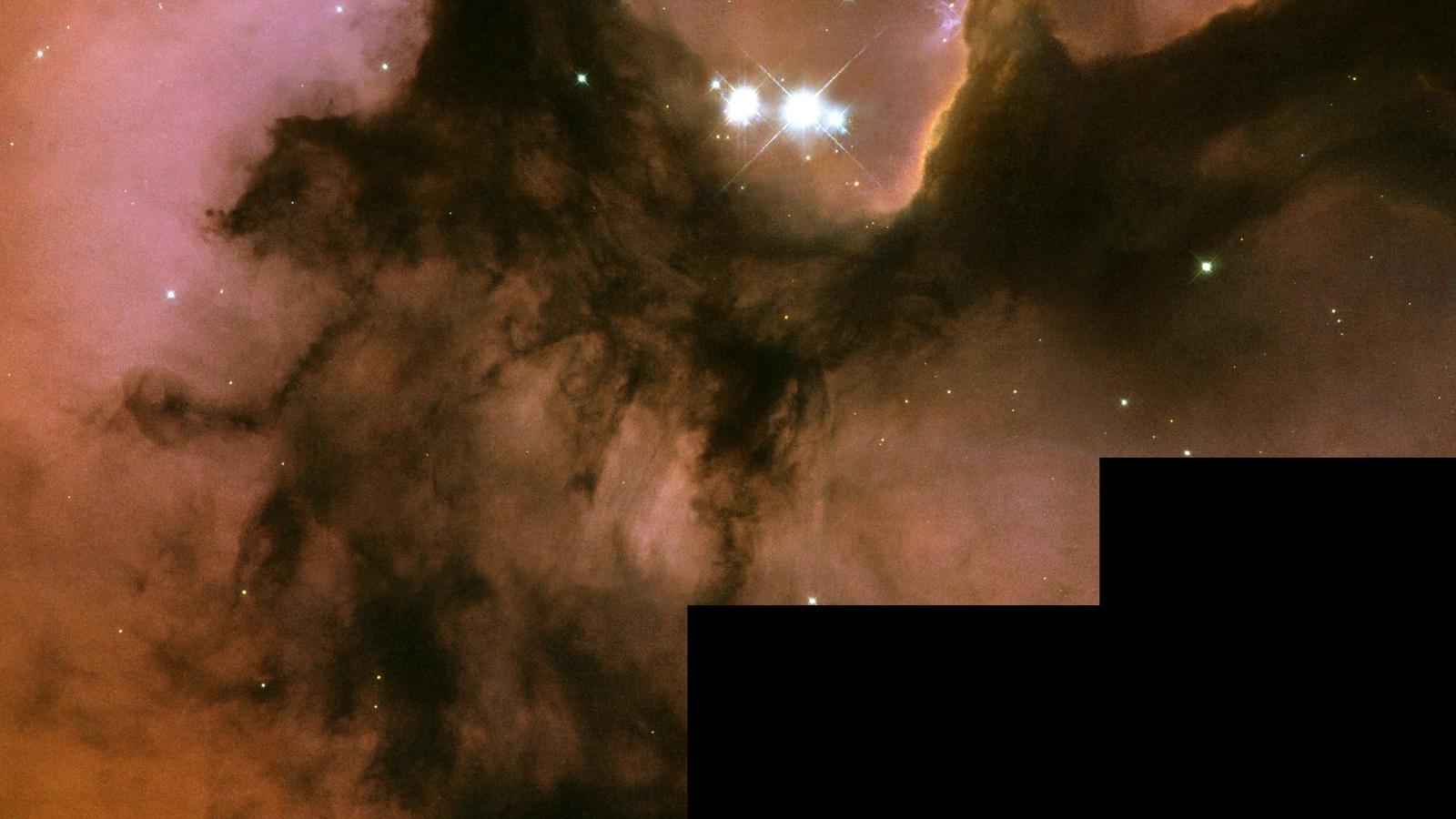
WASHINGTON (Azat TV) – NASA has released a striking new high-resolution image of the Trifid Nebula (M20) as its Astronomy Picture of the Day for May 3, 2026. Captured by the Hubble Space Telescope, the photograph provides a rare, detailed look at the violent processes of stellar birth and destruction within interstellar gas and dust pillars.
Understanding the Trifid Nebula Stellar Erosion
The image highlights the end of a massive gas pillar within the nebula, where dense material acts as a shield against the harsh surrounding environment. Astronomers Nemiroff and Bonnell explain that these structures, often described as interstellar mountains, are slowly being eroded by intense radiation from a nearby, luminous star located outside the frame. The visual evidence shows a smaller pillar and a distinct jet extending nearly a light-year, which remains visible only due to the external illumination provided by the surrounding star clusters.
The Stakes of Stellar Accretion
The significance of this observation lies in the ongoing interaction between newborn stars and their dense gaseous cradles. A star currently positioned near the tip of the smaller pillar is suffering from its accreting gas being stripped away. This process is a critical phase in star formation, as the radiation effectively halts the growth of the star. According to NASA, as the gas and dust continue to evaporate, the hidden stellar source fueling the observed jet will eventually be exposed, a process expected to unfold over the next 20,000 years.
Scientific Impact of Hubble Imaging
This latest release underscores the continued utility of the Hubble Space Telescope in monitoring deep-space phenomena that remain inaccessible to ground-based observatories. By documenting the lifecycle of these pillars, researchers gain insight into the hostile conditions that govern the early stages of stellar evolution. The data captured in this image serves as a vital record for understanding how dense cosmic structures eventually surrender to the energetic output of the very stars they once helped nurture.
The capture of this specific jet formation provides a rare temporal snapshot of a 20,000-year evolutionary cycle, confirming that the structural integrity of stellar nurseries is under constant, measurable threat from the high-energy radiation of neighboring massive stars.