
Quick Read
- Kristi Noem labeled Chicago a ‘war zone,’ sparking intense political debates.
- The Trump administration deployed 300 National Guard members to Chicago.
- Illinois Governor JB Pritzker criticized the federal intervention as ‘un-American.’
- The debate reflects broader tensions between federal and state governance.
- Public safety strategies remain deeply polarized between federal and local authorities.
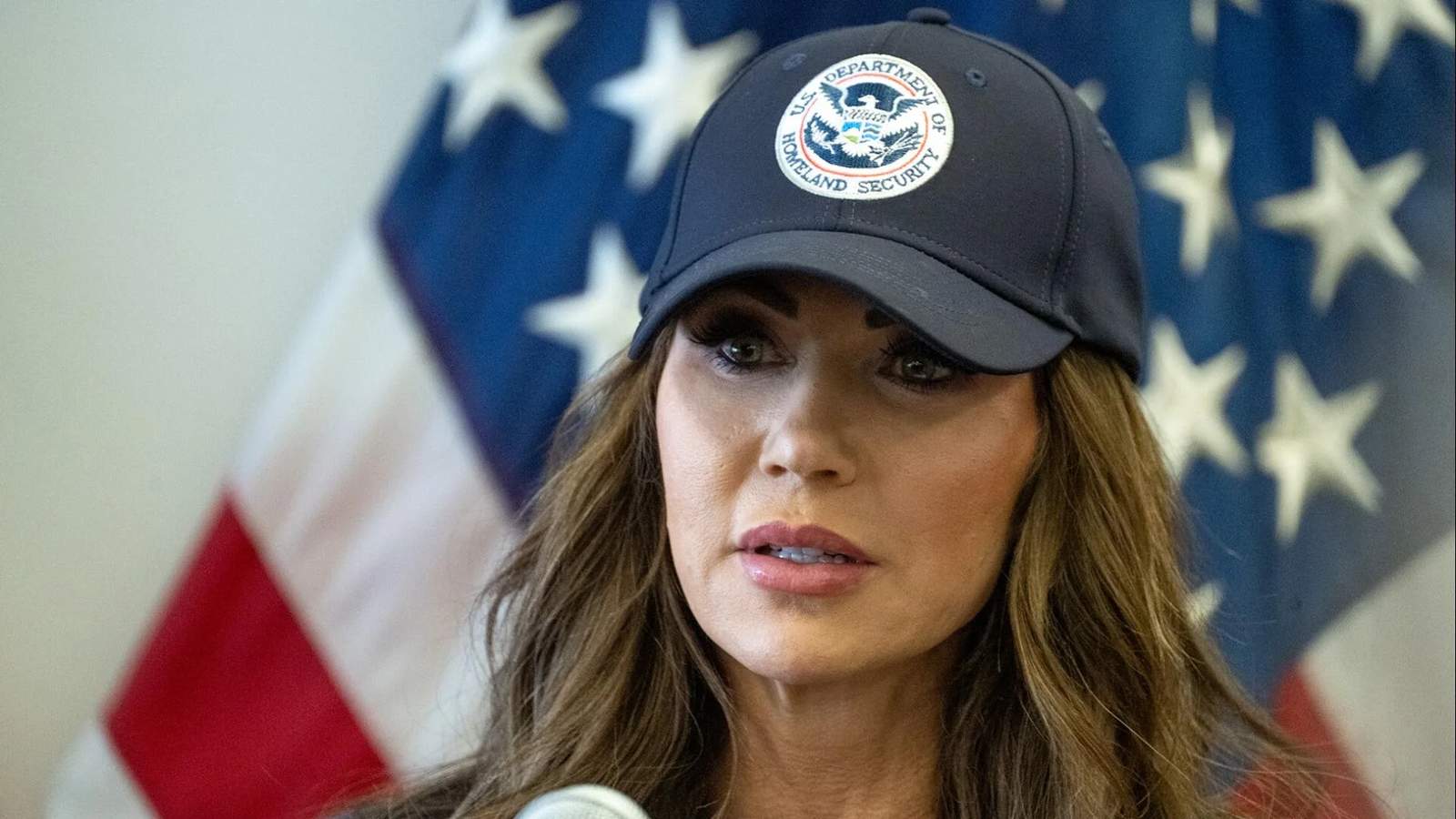
In the landscape of contemporary American politics, few topics have drawn as much attention and controversy as the federal government’s intervention in Chicago, labeled a ‘war zone’ by Homeland Security Secretary Kristi Noem. This characterization has not only intensified debates on the state of public safety in one of the United States’ largest cities but has also highlighted the broader ideological divides between federal and state authorities.
The Context Behind the ‘War Zone’ Label
Kristi Noem’s description of Chicago as a ‘war zone’ was not made in isolation. It followed the deployment of 300 Illinois National Guard members to the city, authorized by the Trump administration. This decision was framed as a necessary measure to curb escalating violence and protect federal officers and property. According to Noem, the intervention was met with support from local residents who believed it had made their neighborhoods safer, citing the removal of thousands of alleged criminals from the streets.
However, this narrative has been strongly contested by Illinois Governor JB Pritzker and Chicago Mayor Brandon Johnson, who argue that the federal presence has exacerbated tensions rather than resolving them. Pritzker, in particular, has accused the federal government of overreach, stating that the administration’s actions are ‘un-American’ and have turned Chicago into a political battleground.
Federal vs. Local Governance: A Clash of Strategies
The deployment of federal agents and National Guard troops in Chicago has brought into sharp focus the differing philosophies of governance at the federal and state levels. While the Trump administration has justified its actions as a crackdown on crime, local leaders have criticized the move as a heavy-handed approach that undermines community trust and local authority.
Mayor Brandon Johnson, a vocal critic of federal immigration raids, has described these measures as ‘unhinged and unhealthy,’ arguing that they fail to address the root causes of violence. Instead of fostering safety, he contends, such actions create an atmosphere of fear and division within the community. The incident involving the shooting of a U.S. citizen by border patrol agents, who claimed the individual was armed and a threat, has further fueled these criticisms.
The Role of Public Perception and Media Narratives
Public opinion on the federal intervention in Chicago is deeply polarized, influenced heavily by media coverage and political affiliations. Supporters of the Trump administration’s measures argue that the federal presence has brought a much-needed sense of order to the city. They highlight statistics suggesting a reduction in crime rates and the removal of dangerous individuals from the streets.
On the other hand, opponents point to incidents of alleged overreach and misuse of power, such as the detention of Chicago Alderperson Jessie Fuentes by Immigration and Customs Enforcement agents. These events have been used to argue that the federal government’s actions are not only ineffective but also counterproductive, eroding public trust in law enforcement and governance.
Historical and Political Implications
The controversy surrounding Chicago’s ‘war zone’ label is not just a localized issue; it reflects broader trends in American politics and governance. The use of federal forces in domestic settings has long been a contentious topic, raising questions about the balance of power between state and federal authorities. This particular episode underscores the growing politicization of public safety and the challenges of addressing complex social issues in a highly polarized environment.
Moreover, the debate has implications for future policymaking. It highlights the need for collaborative approaches that prioritize community engagement and address the underlying causes of violence, rather than relying solely on punitive measures. The events in Chicago serve as a reminder of the delicate balance required to maintain public safety while respecting civil liberties and local governance.
The characterization of Chicago as a ‘war zone’ and the subsequent federal intervention have ignited a critical debate about the role of government in addressing public safety. As the nation grapples with these complex issues, it is clear that a nuanced and collaborative approach is essential to foster trust, ensure justice, and build safer communities for all.