
Quick Read
- Alexandria Ocasio-Cortez is considering running for either the U.S. Senate or the presidency in 2028.
- A Senate bid would mean challenging Chuck Schumer for his New York seat.
- Ocasio-Cortez has hired former Bernie Sanders advisers and is investing heavily in digital outreach.
- No official decision has been announced regarding which office she will pursue.
AOC’s Ambition: A New Era in Democratic Leadership?
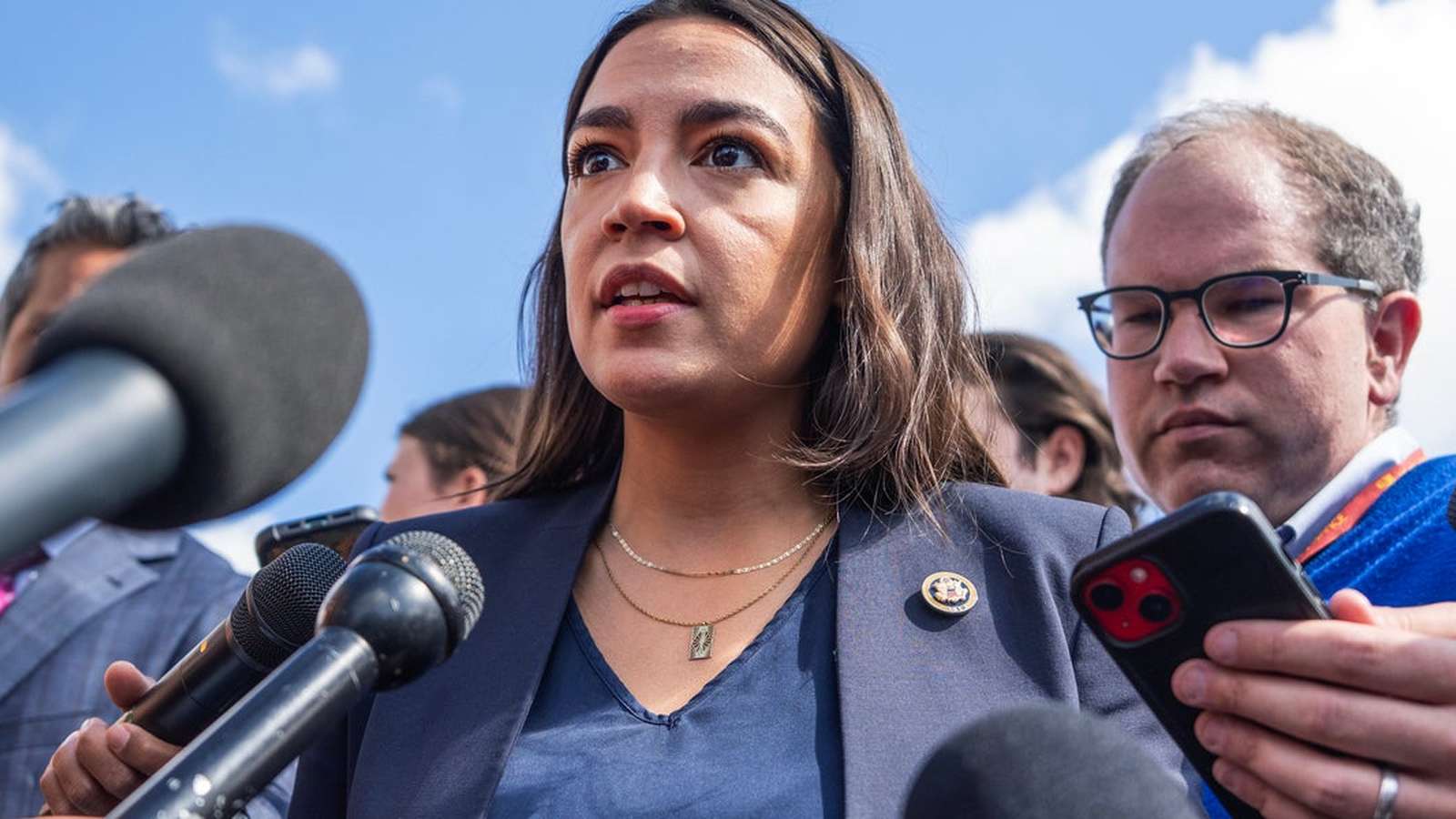
In the ever-evolving landscape of American politics, Rep. Alexandria Ocasio-Cortez (D-N.Y.) is once again making headlines—not for fiery speeches or policy debates, but for the trajectory of her political future. According to reporting from Axios and The Hill, Ocasio-Cortez and her inner circle are laying the groundwork for a major leap in 2028: a bid for either the U.S. Senate or the presidency. The implications could ripple far beyond New York, potentially shaking up the Democratic Party’s leadership and its national strategy.
Chuck Schumer: The Old Guard Under Pressure
At the center of this emerging contest is Chuck Schumer, the Senate minority leader and a fixture of New York politics for decades. Schumer, whose Senate seat comes up for reelection in 2028, has long been seen as a stabilizing force in the Democratic establishment. But as Ocasio-Cortez’s influence grows, questions are surfacing about whether the party’s future lies with its veteran leaders—or its insurgent voices.
Ocasio-Cortez’s possible Senate bid would mean going head-to-head with Schumer, testing the appetite among New York Democrats for generational change. Her grassroots appeal, digital savvy, and fundraising prowess have already redefined what it means to be a progressive in Congress. For Schumer, facing a challenge from someone with such momentum is no small matter.
2028: Senate or White House?
The rumors swirling around Ocasio-Cortez’s plans aren’t just idle chatter. Reports indicate she’s brought on former advisers to Sen. Bernie Sanders, signaling a strategic expansion reminiscent of Sanders’ own outsider presidential campaigns. Millions of dollars are reportedly being invested in her online presence, amplifying her reach both within New York and across the country.
Town halls held statewide over the summer served a dual purpose: reconnecting with local constituents while subtly testing support for a Senate run. Meanwhile, the national “Fighting Oligarchy” tour with Sanders further raised her profile, cementing her reputation as a champion of progressive causes. No formal announcement has been made, and sources close to Ocasio-Cortez emphasize that she is keeping her options open. But the groundwork is unmistakable.
In July, when asked directly about a presidential bid, Ocasio-Cortez didn’t dismiss the idea outright. Her openness, coupled with frequent attacks from Republican figures—including President Donald Trump—suggests that she is seen as a credible threat by both sides of the aisle.
Changing Dynamics: The Progressive Surge
Why is Ocasio-Cortez considering such a dramatic step? The answer, according to those familiar with her thinking, is rooted in her unique position within the Democratic Party. “She’s one of the biggest voices in the Democratic Party, she fundraises like no one else, and she’s authentic and true to herself. Can’t say that about a lot of other people in the party,” one source told The Hill.
This authenticity, combined with her relentless advocacy on issues like economic inequality and climate change, has made her both a lightning rod and a beacon for younger progressives. The prospect of challenging Schumer—an architect of Senate Democratic strategy—would mark a bold declaration that the party’s future might lie in a more confrontational, grassroots-driven politics.
For Schumer, the challenge is clear: adapt to the changing tides or risk being swept aside by a new generation. For Ocasio-Cortez, the decision is more complex. The presidency offers unmatched national influence, but a Senate seat provides a powerful platform for shaping legislation and party direction from within.
What’s Next for the Democratic Party?
With 2028 still several years away, speculation is rampant. The Democratic Party finds itself at a crossroads, balancing the experience of established leaders with the energy and innovation of rising stars. Ocasio-Cortez’s potential bids—whether for Senate or the White House—are not just about personal ambition. They reflect a broader tension within the party over its identity, priorities, and vision for the future.
As the groundwork continues, all eyes are on New York. Will the state become a battleground for the soul of the Democratic Party? Or will party leaders broker a compromise, preserving unity while embracing change? The answers will shape not only the fate of Ocasio-Cortez and Schumer, but the direction of American politics itself.
For now, Ocasio-Cortez remains a fourth-term congresswoman, her path unwritten but her intentions clear. Whether she aims for the Senate, the presidency, or something else entirely, her next move is poised to redefine what it means to challenge the status quo.
Ocasio-Cortez’s potential challenge to Chuck Schumer is more than a personal rivalry—it’s a test of the Democratic Party’s willingness to embrace change. The outcome could signal whether grassroots activism and progressive values will reshape leadership, or if institutional experience will continue to guide the party’s future. As 2028 approaches, the stakes for both New York and the nation could not be higher.