
Quick Read
- Colleen Hoover’s novels, including ‘Regretting You’, are driving contemporary book-to-film trends.
- Olivia Ponton, a major influencer, wants Hoover to write her life story and had a cameo in ‘It Ends With Us’.
- ‘Regretting You’ premiered in theaters October 24, 2025, with digital release expected late November.
- Critics have questioned whether Hoover’s emotional depth can be translated to film.
- Hoover’s work inspires book clubs, podcasts, and widespread social media engagement.
Colleen Hoover: The Quiet Architect of Modern Romance Fiction
If you ask a dedicated reader or a social media influencer to name the writer who defines contemporary romance fiction, chances are Colleen Hoover will top the list. Her books, like ‘It Ends With Us’ and ‘Regretting You,’ have leapt from bestseller lists to movie screens, and—perhaps most tellingly—into the hearts and feeds of a new generation of readers who crave authentic, emotional storytelling.
Influencer Fandom: Olivia Ponton and the Hoover Effect
Olivia Ponton, a model and influencer with nearly 11 million followers across TikTok and Instagram, is one such devotee. In a recent exclusive interview with PEOPLE, Ponton revealed her literary obsessions and named Colleen Hoover as the author she’d trust to write her life story. It’s not just admiration from afar: Ponton even snagged a cameo in the film adaptation of Hoover’s ‘It Ends With Us,’ a testament to how Hoover’s work transcends the page and enters pop culture.
Ponton’s new podcast, ‘Booked and Busy,’ launched in late October, and it’s styled as a “book club for the gal or guy who loves to escape reality.” The podcast promises fiction-heavy discussions, reflecting Ponton’s belief that stories—even those not strictly factual—offer valuable lessons. “Sometimes when you want to sound intelligent, you say, ‘Oh, I’m reading nonfiction.’ Well, that’s great. But there’s so much to learn through fiction and storytelling,” she explained. For Ponton, Hoover’s twisty, emotional narratives are the gold standard.
Regretting You: From Page to Premiere and Streaming’s Waiting Game
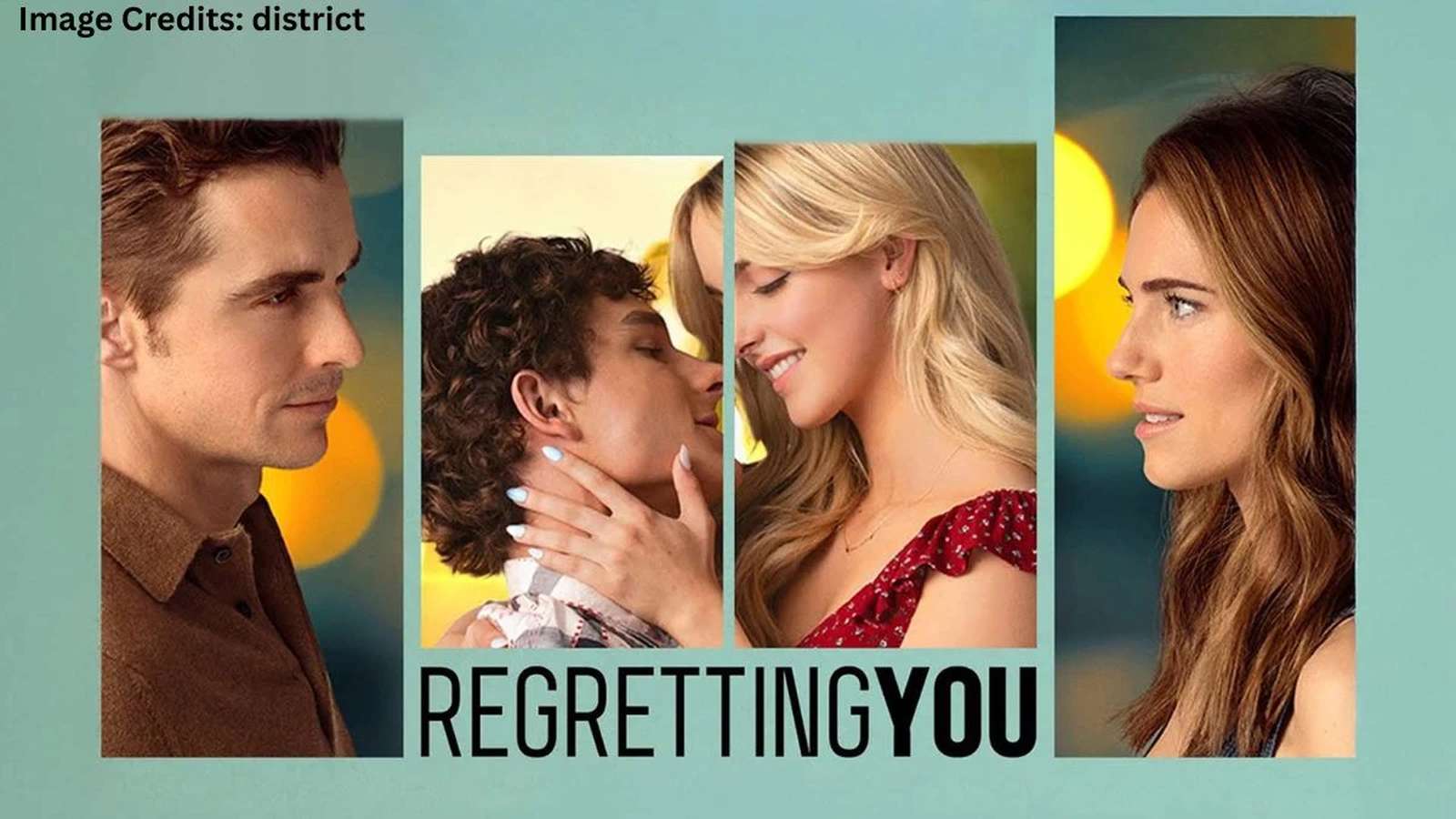
The Hoover phenomenon isn’t limited to literary circles or influencer podcasts. Her novels are increasingly finding new life on screen. ‘Regretting You,’ Hoover’s latest book-to-movie adaptation, debuted in theaters on October 24, 2025. The anticipation was palpable—not just among Hoover’s established fans, but also among curious newcomers and social media circles abuzz with speculation.
Yet, for many, the most pressing question was not about the film’s plot, but about its availability. When would ‘Regretting You’ be available to stream? According to industry trends cited by Free Job Alert, most films make the jump to digital rental or purchase platforms about three to four weeks after their theatrical debut. For this Paramount release, viewers are likely penciling in late November for video-on-demand, with the wider streaming release date still to be announced.
It’s the modern release rhythm: first, a flurry of opening weekend buzz, followed by weeks of waiting for the digital drop. For many book fans, this delay is both a test of patience and an invitation to revisit the original novel—perhaps to compare its emotional beats to the cinematic interpretation.
Critical Voices: The Challenges of Adapting Hoover’s Novels
But not all reactions have been glowing. Critics, including Simon Dillon on Medium, have questioned whether Hoover’s emotionally charged prose can survive translation to the screen. Dillon describes ‘Regretting You’ as “contrived, facile, and wholly unconvincing, performed by a cast that resembles Insta-filtered automatons.” He notes that, while Hoover’s books invite immersive reading experiences, their film adaptations risk losing the nuanced, lived-in feel that fans expect.
Such criticism isn’t new. Previous adaptations, like ‘It Ends With Us,’ have also faced scrutiny for failing to capture the texture of Hoover’s narratives. Dillon’s review asks a pointed question: When everyone’s hot, does anyone feel real? It’s a dilemma for filmmakers hoping to tap into Hoover’s passionate audience without flattening the very quirks and complexities that make her stories resonate.
Hoover’s Enduring Appeal: Lessons Beyond Romance
What sets Colleen Hoover apart is her ability to draw readers into worlds that feel both familiar and surprising. Her plots often hinge on dramatic twists, but the real draw is the emotional depth—the sense that the characters’ struggles mirror real-life dilemmas. Even for those who claim to prefer nonfiction, Hoover’s fiction offers a safe space to explore love, regret, and resilience.
For influencers like Olivia Ponton, Hoover’s stories are more than entertainment—they’re templates for navigating personal narratives in public view. Whether through makeup looks inspired by Hoover’s characters or podcasts dissecting her latest releases, Ponton and her followers turn Hoover’s books into shared reference points for understanding relationships, ambition, and vulnerability.
The Future: More Adaptations, More Conversations
The cycle seems destined to continue. As more Hoover novels get optioned for film and streaming platforms compete for exclusive rights, her stories will likely reach even broader audiences. The debates—over adaptation quality, release schedules, and the value of fiction—will persist, fueled by fan clubs, book podcasts, and critics alike.
In this landscape, Hoover’s influence is less about any one book or movie and more about the cultural conversations she sparks. Whether her stories are being discussed in a podcast studio, dissected on social media, or debated in a movie review, they serve as touchstones for a generation negotiating the boundaries between reality and fiction.
Colleen Hoover’s journey from page to screen is a testament to her enduring relevance, but it also exposes the challenges of adapting deeply personal stories for mass consumption. Her work continues to inspire passionate fan engagement, influencer advocacy, and critical debate, making her a pivotal figure in the evolving landscape of contemporary storytelling.