
Cardinals Gather to Elect the 267th Pope
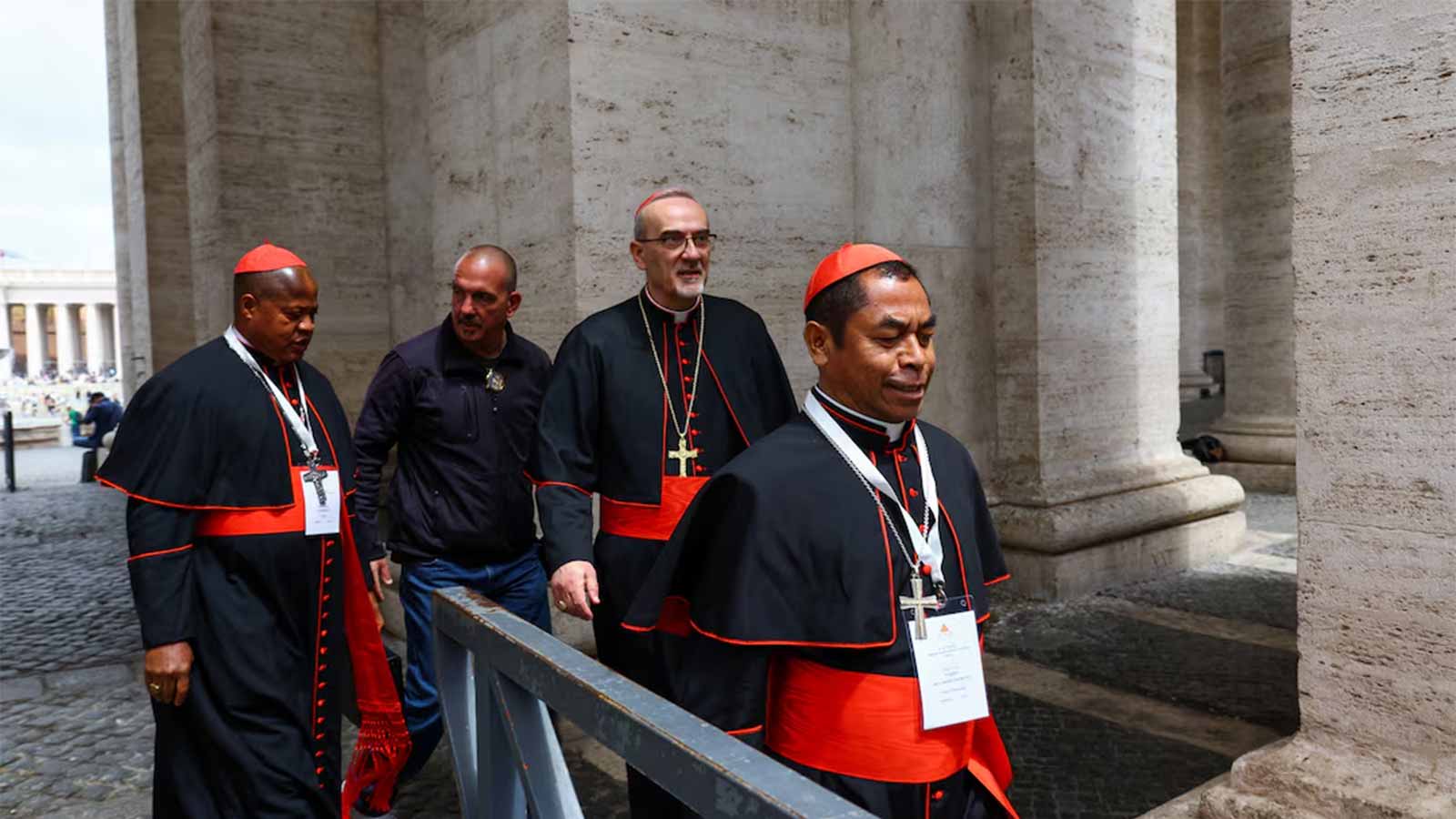
The Catholic Church has entered a pivotal moment as 133 cardinals convene in Vatican City to elect a new pope. The conclave, a centuries-old tradition, begins on May 7 in the Sistine Chapel, following the death of Pope Francis on April 21 at the age of 88. This marks the 76th conclave under the current format established in 1274 by Pope Gregory X.
The Process of the Conclave
The conclave is a highly secretive process designed to ensure the integrity of the election. Only cardinals under the age of 80 are eligible to vote, and this year, 133 such cardinals have gathered in Rome. The cardinals will reside in Casa Santa Marta and proceed to the Sistine Chapel each day for voting. Before entering, they must surrender all communication devices, and the chapel is swept for surveillance equipment to maintain total confidentiality.
The process begins with a special Mass in St. Peter’s Basilica, after which the cardinals take an oath of secrecy. The master of pontifical liturgical celebrations then declares “extra omnes,” signaling that all non-essential personnel must leave the chapel. The doors are locked, and the cardinals begin their deliberations.
How Voting Works
Each cardinal is provided with a ballot paper inscribed with the Latin phrase Eligo in summum pontificem (“I elect as supreme pontiff”). They write the name of their preferred candidate, fold the paper, and place it in a bronze urn. Three scrutineers are chosen by lot to count the votes, while three infirmari collect votes from cardinals unable to attend due to illness.
A two-thirds majority is required to elect a new pope. If no candidate achieves this threshold, the ballots are burned with chemicals to produce black smoke, signaling to the public that no decision has been reached. When a pope is elected, white smoke is produced, and the bells of St. Peter’s Basilica ring out to announce the news.
The Role of Tradition and Reform
The conclave is steeped in tradition, with its rules refined over centuries. The term “conclave” itself originates from the Latin words cum clave (“with a key”), reflecting the locked seclusion of the cardinals. This practice was formalized in 1274 to prevent external interference, a lesson learned from the prolonged election of Pope Gregory X, which lasted nearly three years.
Modern reforms have also shaped the process. For example, Pope St. Paul VI decreed that only cardinals under 80 could vote, and Pope John Paul II emphasized the importance of secrecy in his apostolic constitution Universi Dominici Gregis.
What Happens After a Pope Is Elected?
Once a candidate secures the necessary votes, the dean of the College of Cardinals asks two questions: “Do you accept your canonical election as supreme pontiff?” and “What name do you choose?” After accepting, the new pope is taken to the Room of Tears, where he dons papal vestments prepared in three sizes. He then appears on the balcony of St. Peter’s Basilica to deliver his first blessing to the faithful, preceded by the announcement “Habemus Papam!”
Global Implications of the Election
The election of a new pope carries significant implications for the Catholic Church and its 1.3 billion members worldwide. The cardinals must consider the challenges facing the Church, including declining membership in some regions, debates over social issues, and the need for administrative reforms. The choice of pope will signal the direction the Church intends to take in addressing these issues.
With cardinals from diverse backgrounds participating, the conclave reflects the global nature of the Church. This diversity ensures that the new pope will be a leader for Catholics worldwide, capable of navigating complex cultural and theological landscapes.
The conclave is not only a moment of decision but also one of unity and prayer. As the world watches for the white smoke, the faithful are reminded of the enduring traditions that bind the Church together, even as it faces modern challenges.
Source: Vatican News, NPR, CNN