
Quick Read
- New York City’s congestion charge began in January 2025, reducing daily vehicle entries by 12%.
- London raised its congestion charge to £18 in 2026 and revised EV exemptions, offering reduced discounts.
- Both cities use toll revenue to fund public transit upgrades, but face criticism and ongoing challenges.
New York City’s Congestion Charge: One Year In, Mixed Results
In January 2025, New York City took a bold leap, launching America’s first congestion pricing scheme. For drivers, the message was clear: pay $9 to enter Manhattan below 60th Street during peak hours. The move, designed to tame notorious traffic and funnel cash into public transit, arrived after years of debate and negotiation. Governor Kathy Hochul, wary of backlash, opted for a lower fee than initially proposed, hoping to balance ambition with public support.
So, what’s changed in a year? The numbers tell a story of progress, but also of lingering obstacles. According to Vital City NYC, daily vehicle entries into the zone dropped by 12%, keeping roughly 71,000 cars out each day compared to 2024. The city experienced a 25% reduction in traffic delays within the zone, and a 9% drop across the wider region. These are not just statistics—they represent tens of thousands of hours not spent idling in gridlock.
Air quality saw real improvement, too. A Cornell University study found a 22% reduction in PM2.5 pollution within the zone in just six months. These benefits rippled outward, offering cleaner air to neighborhoods far from the city’s core. Meanwhile, the Metropolitan Transportation Authority (MTA) began channeling toll revenue into overdue upgrades, like subway station elevators and modernized signals, potentially transforming the daily commute for millions.
Yet, the euphoria didn’t last. By the end of the first year, traffic speeds in the zone were only “barely surpassing” old levels. The culprits? A post-pandemic surge in driving, cheap fuel, larger vehicles, and a flood of e-commerce deliveries. The MTA’s monthly net revenue is about $50 million—impressive, but shy of initial hopes for $60 million or more. Repeat entries that escape a second toll and vehicles avoiding payment through exemptions or detection gaps may be part of the reason.
Looking ahead, city officials plan to raise the charge by $3 in 2028 and again in 2031. Additional proposals include shifting taxi and ride-share surcharges to a per-minute model, introducing fees for e-commerce delivery vehicles, and considering per-mile charges for food delivery services. The policy is evolving, striving to keep pace with the city’s changing rhythms.
London’s Congestion Charge: Higher Fees and EV Rules Shift
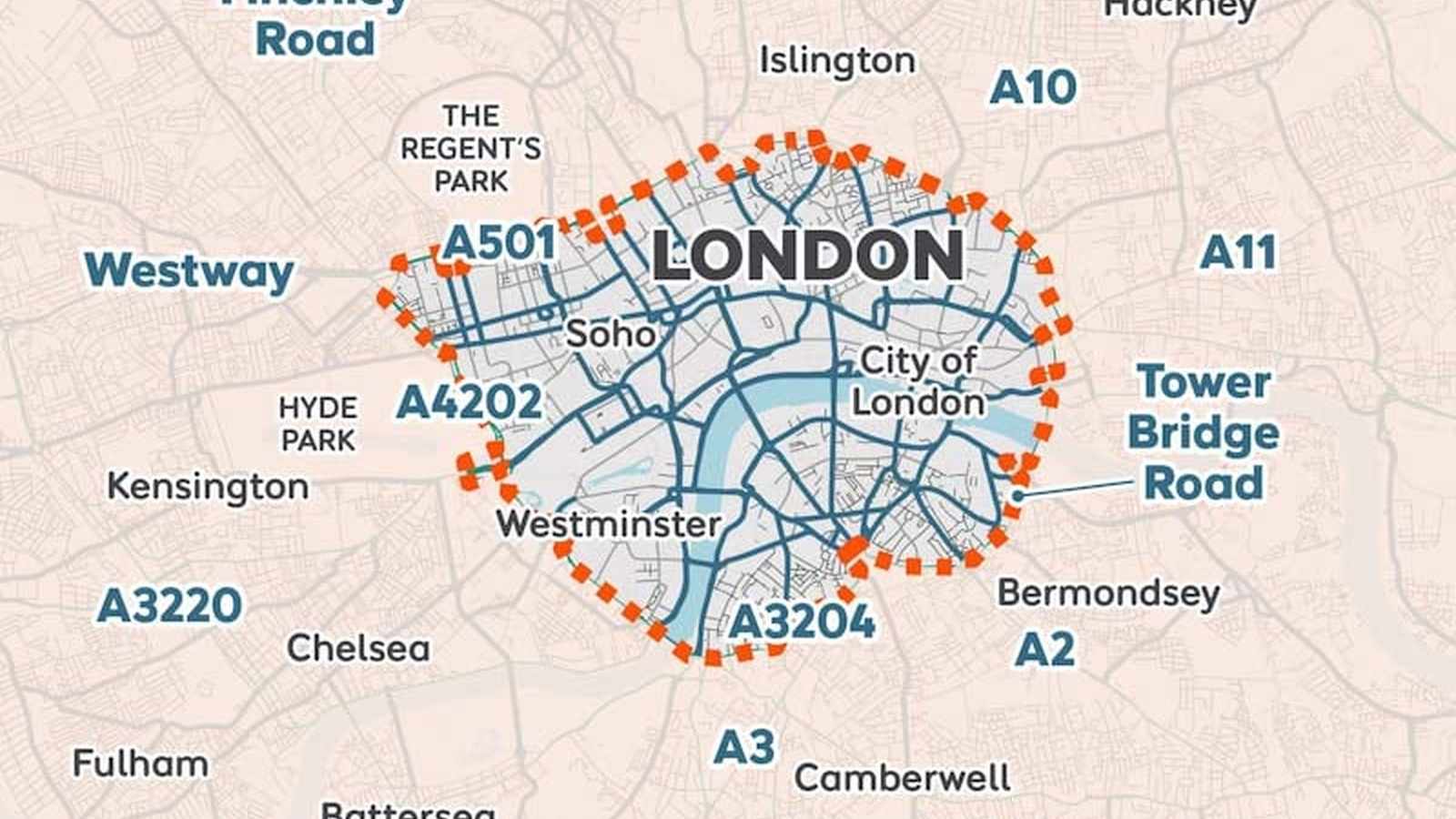
Across the Atlantic, London’s congestion charge is a familiar part of daily life, having been in place since 2003. But 2026 brought big changes. As of January, the daily charge for non-electric vehicles jumped from £15 to £18—the first hike since 2020. Late payments now cost £21, up from £17.50, marking a stricter stance on compliance.
The rules for electric vehicles (EVs) have shifted, too. Previously, fully electric cars could cruise through the zone for free. Now, those registered for Auto Pay get a 25% discount, paying £13.50 a day. Electric vans, HGVs, and quadricycles receive a 50% discount, with further reductions planned for 2030. Residents remain shielded, keeping their 90% discount.
Mayor Sadiq Khan says these changes are “vital for keeping London moving, reducing congestion, and supporting the transition to more sustainable travel.” Transport for London (TfL) estimates the higher fees will keep an extra 2,000 vehicles off the roads every day. The aim: less traffic, cleaner air, and more funding for transit upgrades.
Not everyone is cheering. Minicab operators and motoring groups like the AA warn that scaling back EV exemptions could slow the city’s shift to cleaner vehicles. Critics argue that higher costs hit working drivers hardest and risk undermining progress on air quality and sustainable transport.
The Road Ahead: Lessons and Uncertainties
Both cities face a delicate balancing act. Congestion charges are not a silver bullet—they’re a living experiment, adjusting to new realities and demands. In New York, officials are learning that initial gains can fade as driving habits evolve and loopholes appear. In London, leaders must weigh the benefits of fewer cars against the risk of dampening enthusiasm for electric vehicles.
For millions who live and work in these metropolises, the stakes are tangible: the price of a commute, the quality of the air, and the reliability of public transport. Congestion charging is no longer just a policy—it’s part of the fabric of city life, shaping how people move and how cities grow.
- Sources: Vital City NYC, GB News, Independent
Both New York and London are proving that congestion charges can deliver meaningful results—lower traffic, cleaner air, and new funding for transit. But their experiences also reveal that fine-tuning is essential, and the path to lasting urban transformation is anything but straightforward. The real challenge now is not just setting the right price, but crafting policies that keep pace with how people and businesses move, adapt, and innovate.