
Quick Read
- Congress passed a bill banning most intoxicating hemp products, including THCA, effective in 365 days.
- The law sets a 0.4mg THC per container limit and expands the definition of banned cannabinoids.
- Businesses face major legal, financial, and operational risks during the transition period.
- States may enact immediate bans via trigger laws once the federal measure takes effect.
- The FDA must publish lists of cannabinoids and clarify container definitions within 90 days.
Congress Moves to Close the Hemp Loophole: THCA and Intoxicating Products Face Ban in 2025
In a landmark legislative shift, Congress has passed an agricultural appropriations bill that will effectively ban most intoxicating hemp products, including THCA and other synthetic or highly concentrated cannabinoids, starting in late 2025. This comes after years of regulatory ambiguity following the 2018 Farm Bill, which inadvertently opened the door for a booming market in hemp-derived products with psychoactive effects. Foley Hoag reports that the new law provides a 365-day runway before enforcement begins, leaving stakeholders scrambling to prepare for what could be a seismic change in the industry.
What Does the Ban Cover? Key Definitions and Scope
The new measure targets products intended for human or animal consumption that contain more than 0.4 milligrams of total tetrahydrocannabinols (THC), including THCA, per container. This threshold is dramatically lower than previous standards, which focused on the percentage of delta-9 THC by dry weight. The law expands the definition to include not only naturally occurring cannabinoids like delta-8 and delta-9 THC, but also synthetic variants and derivatives such as THC-O acetate, HHC, and THC-P. Any product exceeding the 0.4mg limit, or containing cannabinoids with similar effects, will be classified as marijuana—a Schedule I controlled substance under federal law.
Additionally, the bill clarifies what constitutes a “container,” specifying it as the innermost packaging in direct contact with the product, such as jars or cartridges, but excluding bulk shipping containers. The intent is clear: to regulate final products reaching consumers, not intermediary or wholesale shipments.
The 365-Day Transition: Uncertainty and Strategic Decisions
With a year-long window before the ban takes effect, businesses are facing a period of deep uncertainty. Will states that have regulated intoxicating hemp markets continue to license and oversee these companies during the transition? Could they allow interstate shipment of products despite looming federal illegality? Legal experts, including Foley Hoag’s Cannabis and Hemp Practice Co-Chairs Jesse Alderman and Michael McQueeny, note that state “trigger” laws—like those in Alabama and Arkansas—could immediately supersede local regulations once the federal ban is enacted. This patchwork of state and federal laws will likely create confusion and risk for operators.
Financial and legal implications are also front and center. Companies must consider whether federal illegality will trigger defaults in loan agreements, affect investor relations, or jeopardize banking and lines of credit. Section 280E of the IRS Code, which restricts tax deductions for businesses trafficking in federally illegal substances, may now apply to hemp businesses, forcing them to explore strategies previously used by cannabis operators. Intellectual property concerns are also emerging, as federal trademark and patent filings could lose their validity for banned products.
Market Impact: The End of Intoxicating Hemp as We Know It?
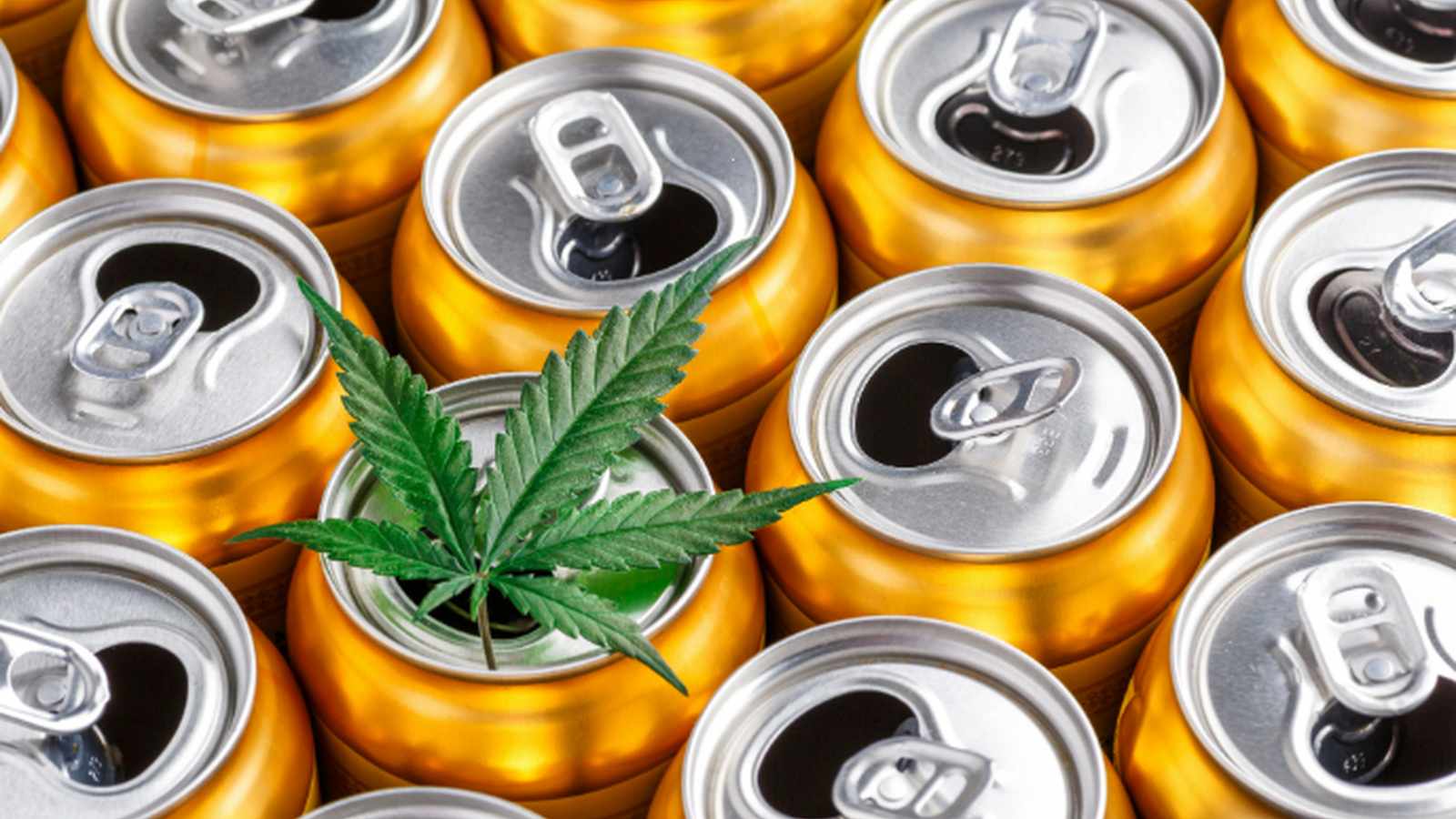
The immediate effect of the legislation is a countdown to a likely shutdown of the intoxicating hemp market. Products ranging from hemp-infused beverages to vape cartridges, which often rely on THCA or other potent cannabinoids, face a regulatory cliff. Industry analysts predict that many businesses will either pivot to non-intoxicating products, explore restructuring or bankruptcy, or attempt to operate in a shrinking set of states with more lenient enforcement—at least until the federal ban fully takes hold.
For consumers, the change means restricted access to products that have become popular alternatives to traditional cannabis, especially in regions where marijuana remains illegal. The FDA, in consultation with other federal agencies, is tasked with publishing detailed lists of cannabinoids and clarifying container definitions within 90 days, which may further inform enforcement and market adaptation. Yet, the broad language of the law suggests little room for loopholes or exceptions.
Looking Ahead: Will the Runway Be Extended or the Law Modified?
Stakeholders are already lobbying for changes to the legislation, arguing that the 365-day runway is too short for meaningful transition. Some advocate for extensions or carve-outs, especially for products with lower risk profiles or proven medical benefits. Others are preparing for litigation, hoping to challenge the ban on constitutional or administrative grounds. Meanwhile, the upcoming Foley Hoag webinar on November 24 promises to shed light on strategic legal and business considerations for navigating the new landscape.
Ultimately, the federal government’s move to close the hemp loophole marks a decisive end to the rapid proliferation of intoxicating hemp products. Businesses and consumers now face a year of uncertainty, adaptation, and potentially, profound change.
Congress’s decision to ban THCA and other intoxicating hemp products represents a major turning point for the cannabis industry. With a 365-day window, stakeholders must quickly assess legal, financial, and operational risks, while consumers prepare for limited access. The next year will reveal whether the industry can adapt—or whether the ban will fundamentally reshape the market.