
Quick Read
- CoolKicks founder Adeel Shams was arrested after LAPD raided the warehouse on October 2, 2025.
- The LAPD BUNCO/FORGERY division is investigating alleged fraud and counterfeit sales.
- Shams was released on his own recognizance and has a court date set for October 23, 2025.
- CoolKicks has a significant online presence with nearly 2 million YouTube subscribers.
- Speculation about counterfeit goods remains unproven; official details pending.
CoolKicks Faces Scrutiny as LAPD Raids Warehouse
On a brisk October evening in Los Angeles, the city’s sneaker culture was shaken by news that rippled far beyond Melrose Avenue. CoolKicks, a sneaker retailer renowned for its celebrity clientele and massive online following, found itself in the center of a legal storm as the Los Angeles Police Department (LAPD) raided its warehouse and arrested founder Adeel Shams. The arrest, confirmed by public jail records and widely discussed across sneaker forums and social media, has thrust the store and its leadership into the spotlight, raising pressing questions about authenticity and accountability in the modern sneaker resale industry.
According to Sole Retriever, the raid took place on October 2, 2025, with Shams taken into custody by the LAPD’s BUNCO/FORGERY division—an investigative unit specializing in financial crimes, fraud, and counterfeit goods. Shams was booked on felony charges at 6:32 PM, following his arrest at approximately 4:45 PM, and was released on his own recognizance just after midnight. With his next court appearance scheduled for October 23, the details of the case remain tightly guarded by authorities, but the implications for CoolKicks and the wider sneaker world are already being felt.
How CoolKicks Became a Sneaker Phenomenon
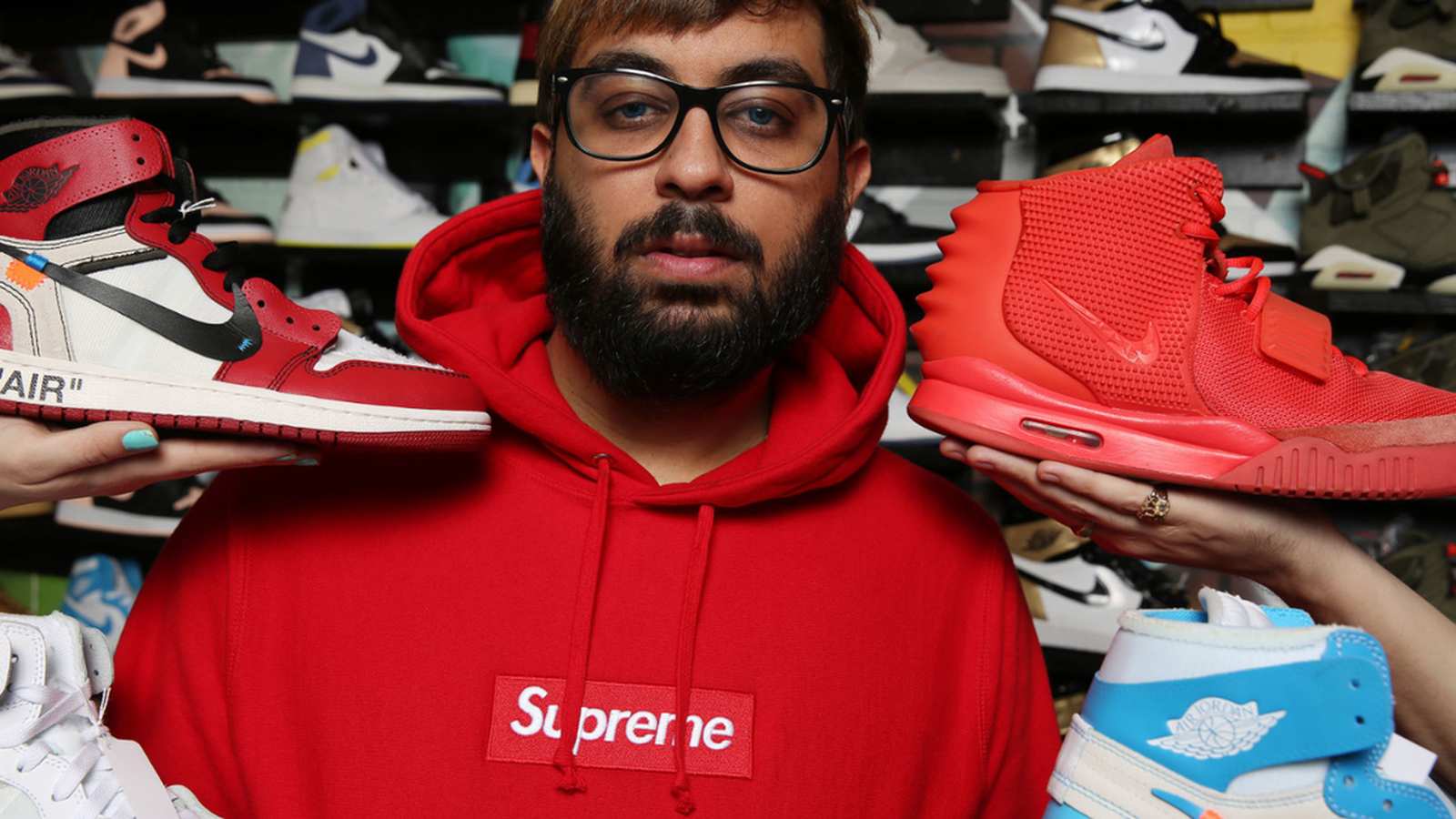
Founded in 2014 by Adeel Shams and friends while Shams was studying at Virginia Commonwealth University, CoolKicks started as a modest operation in Richmond, Virginia. The business quickly gained traction, and in 2016, it relocated to Los Angeles, opening a flagship storefront on Melrose Avenue—one of the city’s trendiest shopping corridors. What set CoolKicks apart was not just its inventory of rare and sought-after sneakers, but its ability to harness the power of digital media. Through YouTube, CoolKicks built a following of nearly 2 million subscribers, featuring appearances by athletes, celebrities, influencers, and even their own staff, who became micro-celebrities in the sneaker community.
The store’s blend of physical retail and online engagement made it a destination for sneakerheads worldwide. Shams, the face of the brand, often appeared in livestreams and videos, interacting with customers and celebrities alike. CoolKicks’ social media savvy helped it weather the ups and downs of the sneaker market, creating a sense of community that extended far beyond Los Angeles.
Economic Shifts and Rising Challenges in Sneaker Resale
Yet, the sneaker resale market is not what it used to be. In recent years, the economics of reselling have shifted dramatically. As Emegypt reports, many storefronts have struggled with declining margins, unpaid bills, and late consignor payments. The market’s volatility has forced shops like CoolKicks to diversify—selling apparel and sneakers through platforms such as WhatNot, a livestream commerce site popular among resellers. However, these pivots have not shielded retailers from controversy or risk.
On the night of the raid, viewers of CoolKicks’ WhatNot stream witnessed an abrupt end to the broadcast, with Shams mentioning loud noises and making a passing reference to a possible swatting incident. Within hours, CoolKicks’ WhatNot account was suspended, fueling speculation online about the nature of the raid and the legitimacy of the store’s operations. Photos posted by known reseller HORHEAD Sales on X (formerly Twitter) showed police activity at the warehouse, further stoking debate among sneakerheads and consumers.
Allegations, Community Reaction, and Legal Uncertainty
While official LAPD statements have yet to clarify the scope of the investigation, the involvement of the BUNCO/FORGERY division points to serious allegations. Social media platforms like Reddit and X have become battlegrounds for speculation, with some users alleging that items purchased during CoolKicks’ livestreams were not authentic. These claims, as of now, remain unproven; but they underscore a growing unease within the community about trust and transparency in sneaker reselling.
For Adeel Shams, the arrest marks a dramatic turn in a career defined by entrepreneurship and digital innovation. Jail records indicate no bail was set, and his release on recognizance suggests authorities are still assembling their case. The October 23 court date looms as a critical moment—not just for Shams, but for CoolKicks’ reputation and the wider resale ecosystem.
As House of Heat notes, the raid and arrest represent a major blow to one of streetwear’s most recognizable shops. CoolKicks has long been regarded as a cornerstone of Los Angeles sneaker culture—a place where the worlds of fashion, sport, and entertainment converge. The uncertainty surrounding its future is felt keenly by employees, customers, and the broader sneaker community.
What Comes Next for CoolKicks and Sneaker Resale?
With further details expected to emerge in the coming weeks, the questions now center on evidence, charges, and the impact on CoolKicks’ business. Has the resale market’s hunger for hype and exclusivity outpaced its safeguards against fraud? Can CoolKicks weather the storm and restore its reputation? For now, the answers remain elusive.
Industry insiders note that this case could set a precedent for how authorities approach alleged counterfeit sales in the booming sneaker resale world. It also raises the stakes for retailers operating in gray areas—where authenticity, trust, and legality intersect.
As the story develops, one thing is clear: the sneaker resale game is changing, and everyone involved—from shop owners to collectors—will be watching closely as the facts unfold.
CoolKicks’ raid and the arrest of Adeel Shams highlight a pivotal moment for sneaker culture, forcing both retailers and buyers to reckon with the challenges of authenticity and accountability in a rapidly evolving market. The outcome of this case will likely reverberate across the industry, shaping how trust and legitimacy are built—or broken—in the world of high-stakes sneaker reselling.