
Quick Read
- BBC Breakfast featured parents concerned about childhood cancers in Corby on February 9, 2026.
- North Northamptonshire Council recently reported Corby’s childhood cancer rates are not higher than the national average.
- The council acknowledged a new document suggesting steelworks waste was moved to an unrecorded location.
- Lawyer Des Collins is advocating for a full statutory public inquiry into the waste and its health impacts.
- Families are requesting raw data from the council’s cancer rate analysis, which has been denied due to data protection.
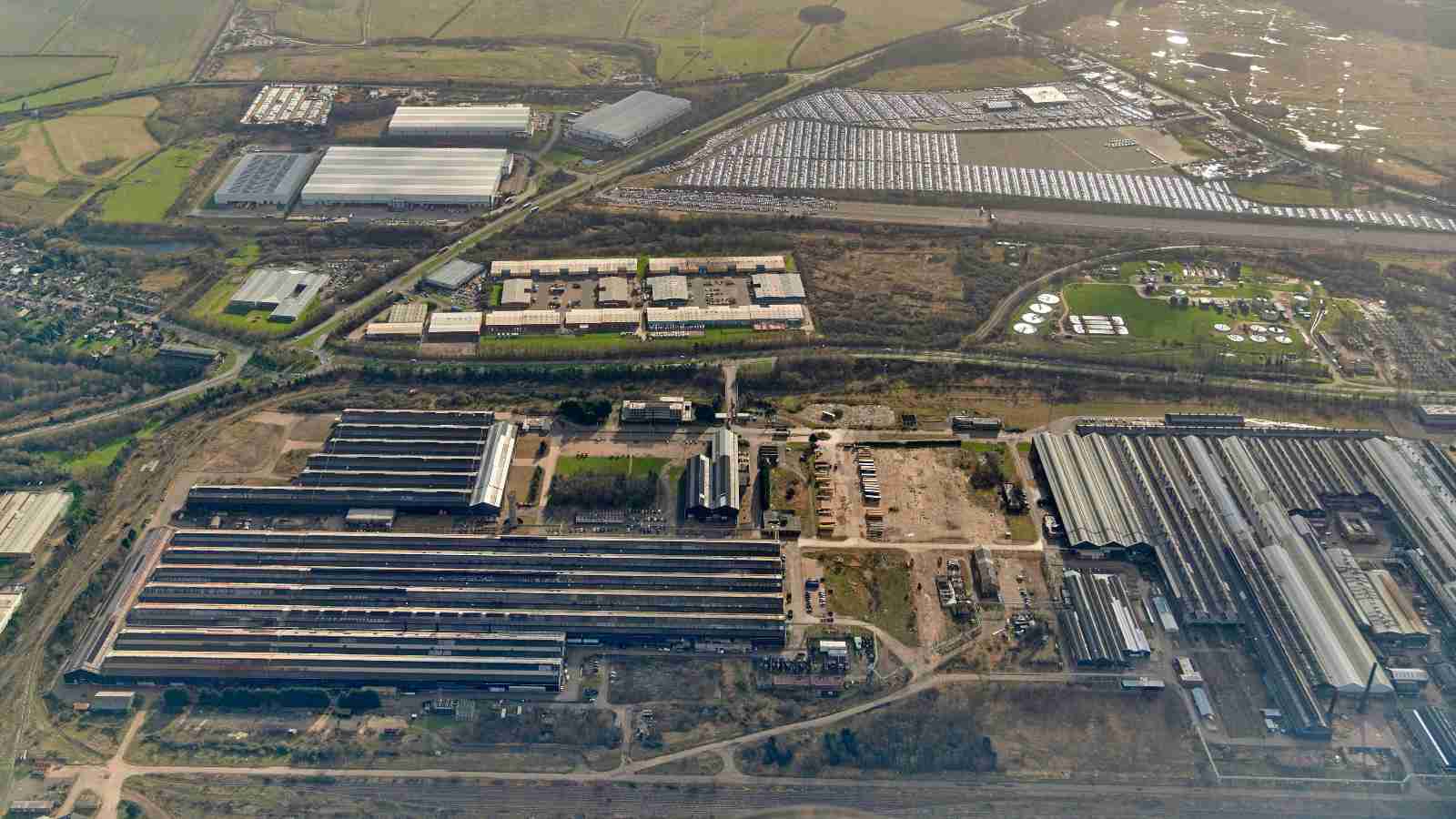
CORBY (Azat TV) – A new document suggesting that hazardous waste from the former Corby steelworks may have been moved to an unrecorded location has intensified calls for a full statutory public inquiry, even as North Northamptonshire Council recently stated that childhood cancer rates in the area are not elevated. The ongoing controversy, which gained renewed attention during a BBC Breakfast segment on Monday, February 9, 2026, highlights the persistent concerns of local families regarding the long-term health impacts of the site’s 1980s dismantling operation.
During the BBC Breakfast programme, parents Andy Hines and Alison Gaffney shared their deeply personal story, recounting their son Fraser’s diagnosis with a rare form of leukaemia at 17 months old. Now nine, Fraser’s life expectancy has been shortened due to a transplant and a high risk of secondary cancer. Hines stated, “The amount of people we know personally that have kids with cancer, this is not normal,” reflecting a widespread community belief that health issues in Corby are linked to the steelworks’ legacy. Gaffney added, “Never found anger through any of this. Just hurt,” describing the devastation of hearing their consultant admit to dealing with a previously unseen form of cancer with unique gene rearrangements.
Corby Residents Renew Calls for Inquiry Amid Council’s New Waste Revelation
The BBC Breakfast report underscored the historical context, noting that the Corby steelworks, once Europe’s largest, closed in 1980. Its subsequent dismantling reportedly released “polluting clouds into the atmosphere,” coinciding with a period when a number of babies in the area were born with abnormalities. This history formed the basis of a landmark 2009 High Court case, which found Corby Borough Council negligent in its clean-up efforts and established a link between the hazardous airborne dust and limb deformities in babies.
While the 2009 case focused on birth defects, current community concerns, championed by families like Hines and Gaffney, extend to whether the buried waste is connected to childhood cancers. North Northamptonshire Council, which replaced the abolished Corby Borough Council in 2021, recently published two sets of findings on childhood cancer rates in response to family requests. The council’s analysis concluded that “childhood cancer rates in Corby are not higher than elsewhere in England,” a finding intended to provide reassurance. However, the council has declined to release the raw data supporting these conclusions, citing “strict and important data protection rules,” a decision that has been met with frustration by affected families.
Official Findings and Unanswered Questions on Corby’s Health Data
The situation took a significant turn with the council’s recent acknowledgment of a new document. “Our records, originally held by Corby Borough Council, do not show the movement of waste to sites other than Deene Quarry. We were made aware of a document last week that indicates some waste may have been moved to another location. And we are currently considering that information,” North Northamptonshire Council stated. This revelation directly challenges previous understanding of waste disposal from the site and has reignited calls for a comprehensive investigation.
Des Collins, the lawyer who represented families in the 2009 High Court case, is now advocating for a full statutory public inquiry. “The only way to address it, in my view, is for there to be a full statutory public inquiry to determine precisely what happened to this waste. Where it is, whether it can be located at the moment, and whether it should be dug up at the moment. And finally, is it causing any health problems?” Collins stated. Public inquiries, however, can only be initiated by the government. Despite the emerging information, North Northamptonshire Council maintains that “at this point in time, this council does not consider that the threshold has been met to call upon the government for a public inquiry.”
The persistent demand for transparency, especially concerning the newly surfaced document about unrecorded waste disposal and the non-release of raw health data, underscores a critical trust deficit between local authorities and the Corby community. This ongoing tension highlights the complex challenge of reconciling official reassurances with deeply held public health anxieties stemming from historical industrial contamination.