

Quick Read
- Casting director Susie Figgis first discovered Daniel Radcliffe for Harry Potter but faced resistance from his parents and studio preferences for American actors.
- Figgis sifted through 40,000 candidates before resigning; her groundwork led Warner Bros. to cast Radcliffe when production moved to Britain.
- Radcliffe’s casting highlights the importance of responsible talent discovery and the impact of behind-the-scenes decisions.
The Reluctant Boy Who Lived: Daniel Radcliffe’s First Steps Toward Harry Potter
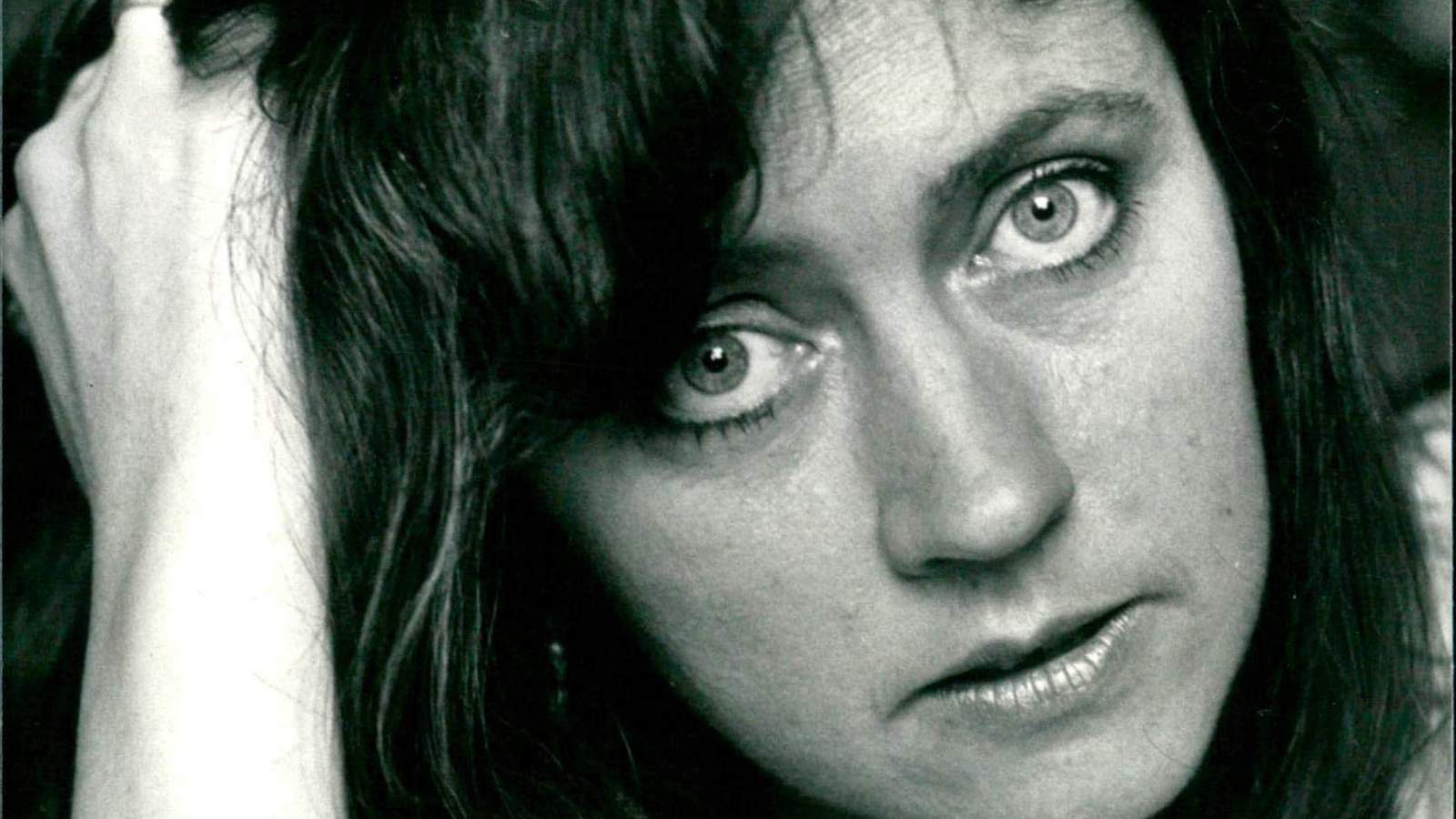
Before Daniel Radcliffe became the face of a generation’s magical childhood, his journey to becoming Harry Potter was anything but straightforward. The story begins with Susie Figgis, a casting director whose intuition would change both Radcliffe’s life and the course of film history. When she first encountered 11-year-old Daniel, Figgis instantly saw the potential: “I looked at him and thought: ‘God, he’d be good’.” But as with many great stories, there were obstacles at every turn.
Radcliffe’s parents hesitated. The prospect of their son moving to Los Angeles for filming wasn’t part of their plan. In fact, they’d already turned down an audition for Oliver Twist, prioritizing Daniel’s well-being over the lure of stardom. At the same time, Warner Bros. leaned toward casting an American actor. Hollywood heavyweights like Steven Spielberg wanted Haley Joel Osment, while Chris Columbus eyed Jake Lloyd and Liam Aiken—familiar faces to moviegoers, but not British, not quite Harry.
Susie Figgis and the Search for the Real Harry Potter
Susie Figgis was no stranger to challenging castings. Having sifted through a staggering 40,000 applications for JK Rowling’s boy wizard, she felt the pressure mounting. Her philosophy was clear: casting children was as much about finding the right parents as the right actor. “You can mess up their lives if you’re not careful,” she reflected, emphasizing her commitment to the welfare of young stars.
Ultimately, after meeting countless hopefuls and facing creative disagreements, Figgis stepped away from the project, telling the Daily Mail, “I have done my absolute best. We’ve met some great kids. Ultimately, it’s the director’s point of view and vision.” Her resignation marked a turning point; Warner Bros. shifted strategy and chose to make the films in Britain, opening the door for Daniel Radcliffe to audition. The rest, as they say, was magical.
Beyond the Audition: A Director’s Eye and a Parent’s Caution
What set Radcliffe apart? Chris Columbus, the eventual director, noticed him in the BBC’s adaptation of David Copperfield and saw something special. Daniel’s understated presence, his authenticity, and perhaps the quiet confidence that comes from parents who value stability, not just fame, made him the ideal Harry.
Susie Figgis’ approach to casting was shaped by years of experience. She believed drama school training could sometimes mask the “realness” needed on screen. Instead, she preferred to discover talent in everyday settings, trusting her instincts more than a polished resume. It’s no accident that many of her greatest finds—including Jodhi May and Eamonn Owens—were plucked from obscurity and went on to shine in roles that demanded emotional truth.
The Legacy of a Casting Director: The Ripple Effect of a Single Choice
Though her involvement with Harry Potter ended before the cameras rolled, Figgis’ legacy endures. The story of Daniel Radcliffe’s discovery is a testament to the delicate balance between opportunity and responsibility in the world of child actors. Figgis’ career spanned more than 120 films, including The Full Monty, Interview with the Vampire, and The Crying Game. Her “gimlet eye” for talent and her commitment to ethics influenced generations of filmmakers and actors.
Daniel Radcliffe’s journey from a reluctant auditionee to international superstar is inseparable from the choices and convictions of those around him. Susie Figgis, in her own words, searched for “the thing that works for that film and run with it.” Her instinct to look beyond the obvious, to seek out the right child—and the right family—proved pivotal.
- Daniel Radcliffe was first discovered for Harry Potter by casting director Susie Figgis, who saw his potential despite industry pressure to cast Americans (Observer).
- Radcliffe’s parents initially resisted his audition, prioritizing his welfare over fame.
- After thousands of auditions and creative disagreements, Figgis resigned, but her groundwork led Warner Bros. to cast Radcliffe when the production moved to Britain.
In the end, Daniel Radcliffe’s rise wasn’t just about finding the perfect Harry Potter—it was about the collision of talent, timing, and the wisdom of adults who understood the stakes. The story behind the casting reminds us that sometimes, the real magic happens before the cameras ever roll.
The casting of Daniel Radcliffe as Harry Potter illustrates the profound impact of behind-the-scenes decisions in filmmaking. It wasn’t just Radcliffe’s talent that secured the role, but a web of choices, compromises, and care—especially from Susie Figgis, who prioritized the welfare of young actors over industry norms. In an era where child stars are often thrust into the spotlight too soon, this story stands as a blueprint for responsible talent discovery and a reminder that true success comes from seeing potential, not just credentials.