
Quick Read
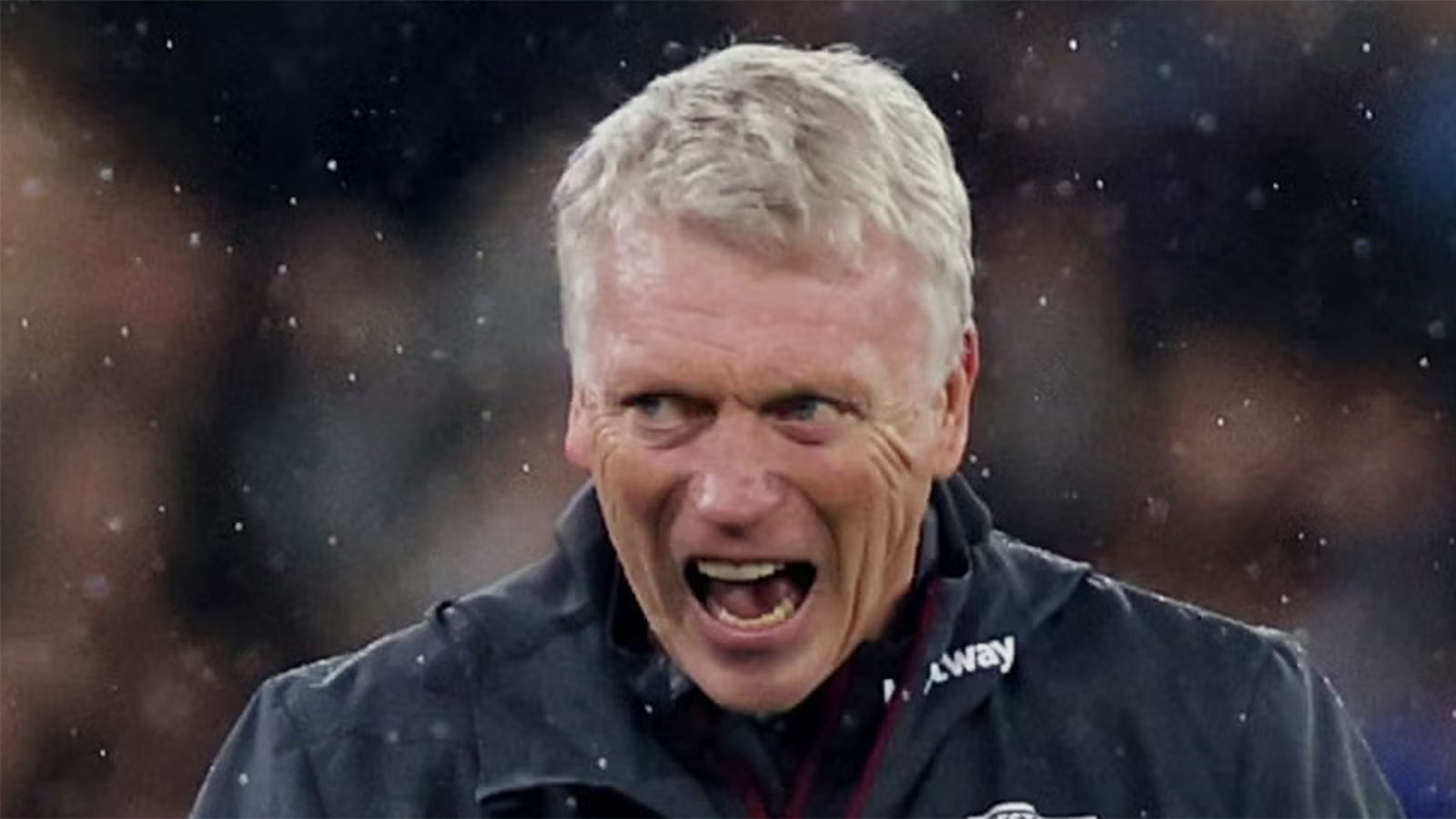
- David Moyes is guiding Everton through a major transition, including a move to the new stadium and changes in club ownership.
- Seamus Coleman’s leadership is considered vital, with Moyes hinting at a future coaching role for the veteran.
- Everton is pursuing Ivan Toney as a top striker target for the winter transfer window, with Moyes publicly approving the move.
- Injuries remain a concern, with Moyes monitoring the progress of Jarrad Branthwaite and Vitalii Mykolenko ahead of key fixtures.
- Merlin Rohl could be Moyes’s wildcard in upcoming matches as Everton seeks solutions for attacking struggles.
David Moyes and the Everton Rebuild: From Stadium Moves to Squad Evolution
The story of Everton’s recent months reads like a club learning to walk again—an historic move to the Hill Dickinson Stadium, a change of ownership under The Friedkin Group, and a squad in flux. At the heart of this transition stands David Moyes, the 62-year-old manager whose steady hand is tasked with guiding Everton through one of its most turbulent chapters. Reuters and other sources have followed the club’s journey as it strives to reclaim its place among England’s elite.
Jordan Pickford, Everton’s stalwart goalkeeper, recently signed a new contract—a testament to his commitment through years of challenges. Yet, Pickford is quick to point out that leadership extends beyond the pitch. In the dressing room, it’s Seamus Coleman, the 37-year-old captain, who holds the club’s fabric together. Coleman, described by Pickford as “massive” for his role during relegation battles, is the embodiment of Everton’s fighting spirit. Moyes has openly acknowledged Coleman’s importance, insisting: “I need him here, his leadership, his message he has amongst the players in the dressing room. It would be wrong of me to let him go.”
The club’s transition isn’t limited to personnel. With the new stadium, Everton aims to forge a fresh identity, one built on resilience and unity. For Moyes, the challenge is not simply about tactics—it’s about fostering a culture where veterans like Coleman can eventually pass on their wisdom as coaches, much like Leighton Baines did before him. As the squad faces the uncertainty of change, Moyes’s focus is clear: stability and continuity, wherever possible.
Transfer Ambitions: Ivan Toney and the Search for a Striker
Everton’s need for attacking reinforcements is glaring. Beto and Thierno Barry have struggled to establish themselves, prompting Moyes to look elsewhere for a reliable goalscorer. The winter transfer window looms large, and speculation abounds regarding Ivan Toney, the prolific striker currently playing for Al-Ahli in Saudi Arabia. According to Goodison News and Football Insider, Toney is open to a Premier League return, motivated by a desire to impress England manager Thomas Tuchel ahead of the 2026 World Cup.
The numbers tell the story: Toney scored 36 goals and provided 11 assists in 83 Premier League matches for Brentford—a conversion rate of nearly 48 percent. Since moving to Saudi Arabia, he’s continued to deliver, notching 27 goals and four assists in 35 league games for Al-Ahli. His versatility is notable; he wins duels, creates big chances, and can act as a focal point for Everton’s attack.
Moyes himself has spoken highly of Toney, calling him “really intelligent” and praising his coolness and physicality. The manager is determined to upgrade his striking options, and Toney appears to fit the bill perfectly. The prospect of Toney joining forces with Jack Grealish and Iliman Ndiaye is tantalizing—a trio that could transform Everton’s attacking threat and boost their European ambitions.
Yet, competition is fierce. West Ham is also interested, but insiders suggest Everton is better placed to secure Toney’s signature. For Moyes, the equation is simple: a proven marksman could be the difference between mid-table obscurity and a run at European football. The next few months will be decisive.
Untested Wildcards and Tactical Tweaks: Merlin Rohl’s Opportunity
If the striker situation is a source of concern, Moyes is not without options elsewhere. The upcoming clash against Tottenham Hotspur offers a chance to experiment, and Merlin Rohl—on loan from Freiburg—may be the untested wildcard Moyes needs. Rohl, a 6ft 3 midfielder, is viewed by German football experts as a natural number 10, capable of linking play and easing the pressure on Everton’s misfiring strikers.
Moyes’s tactical flexibility has echoes of his earlier days, when he deployed Marouane Fellaini in a similar role. Should Rohl start just behind Barry or Beto, he could provide a new dimension to Everton’s attack, allowing Kiernan Dewsbury-Hall to move deeper into his preferred number eight position. As Idrissa Gueye prepares for a likely absence due to the Africa Cup of Nations, these adjustments could prove timely.
For Moyes, the willingness to experiment is critical. With Beto having scored just once in the league and Barry yet to find the net, the need for innovation is clear. Rohl’s physicality and technical skill could be the key to unlocking stubborn defenses, particularly if Everton’s injury issues persist.
Injury Management and Squad Depth: Navigating Uncertainty
Injuries are an ever-present challenge for any manager, and Moyes is no exception. Ahead of the Merseyside derby, he’s hinted at “a couple of other knocks” within the squad, while the fitness of Jarrad Branthwaite and Vitalii Mykolenko remains in question. “We have a squad of players and you hope that the players who you give the opportunities [when there are injuries] that they can hang on to the jersey,” Moyes explained in his pre-match press conference, as reported by Yahoo Sports.
Branthwaite has yet to play an official game this season, while Mykolenko returned briefly before suffering another setback on international duty. In the meantime, Michael Keane has stepped up admirably, reinforcing Moyes’s belief in squad depth and the importance of giving fringe players a chance to shine.
This juggling act—balancing injuries, integrating new signings, and maintaining morale—defines Moyes’s approach. The manager’s experience shows in his refusal to panic, instead trusting in the resilience of his squad and the leadership within the dressing room.
Leadership, Legacy, and the Road Ahead
Everton’s journey under David Moyes is far from over. With the club in transition, Moyes’s focus on leadership, strategic signings, and tactical adaptability is shaping a new era. The roles of veterans like Coleman, the pursuit of talents like Toney, and the willingness to test new players all point to a manager who understands both the traditions and the demands of modern football.
As Everton fans look to the future, the questions are many: Can Moyes deliver European football? Will the right signings arrive in January? Can the squad stay healthy enough to compete at the highest level? These are the challenges Moyes must navigate—a test not only of his tactical acumen, but of his ability to inspire belief in a club striving for renewal.
David Moyes’s stewardship of Everton is a study in balancing old loyalties with new ambitions. His pragmatic leadership has anchored the club during a season of upheaval, while his willingness to embrace bold transfers and tactical innovation suggests that Everton’s best days may lie ahead—if the pieces fall into place.