
Quick Read
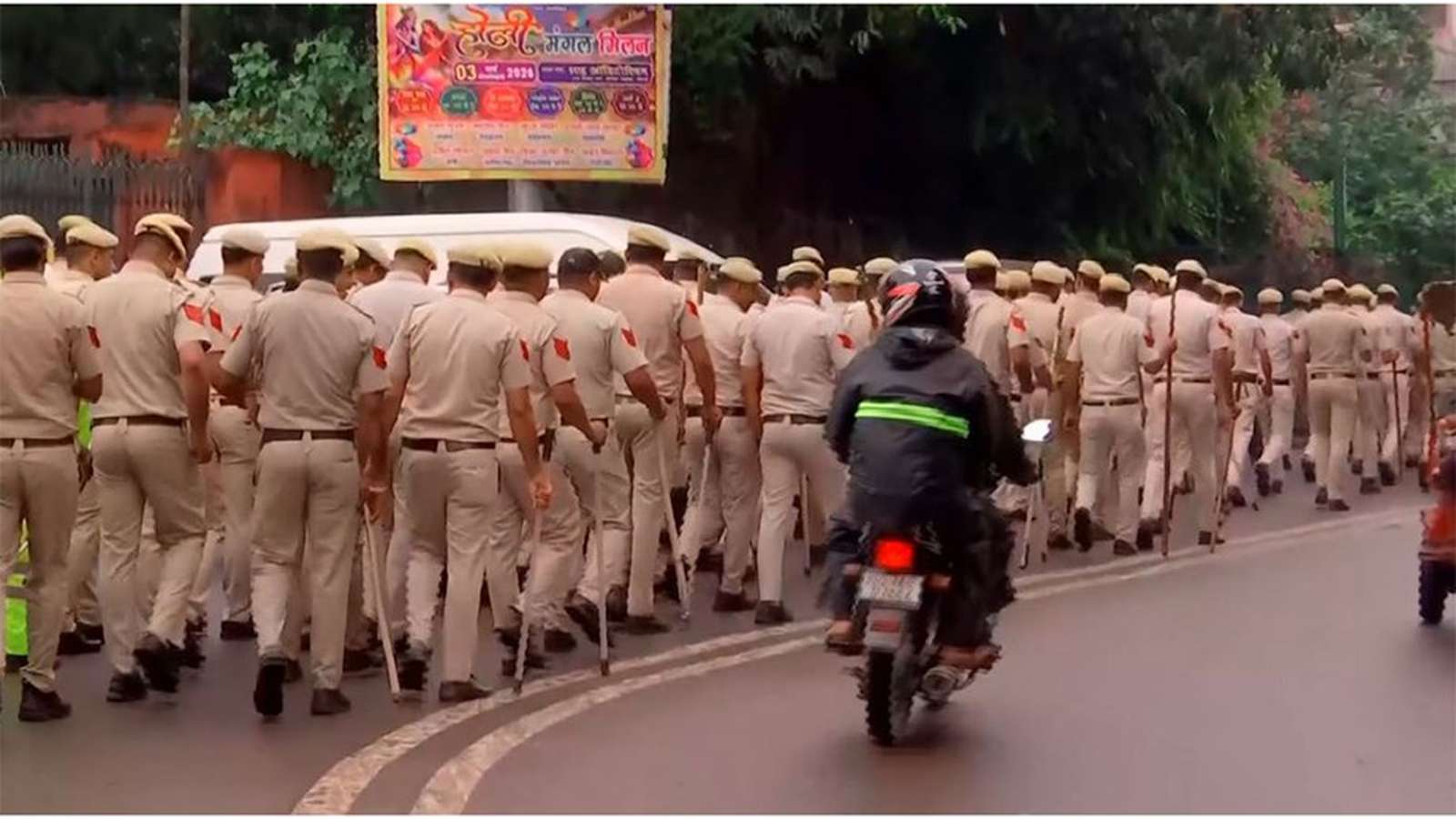
- Delhi police have deployed extensive surveillance in Uttam Nagar following a court-ordered security mandate.
- Security measures were escalated in response to violent threats and a fatal incident that occurred earlier this month.
- The Delhi High Court is set to review the effectiveness and necessity of these deployments during a hearing on April 6.
NEW DELHI (Azat TV) – Security forces have locked down major transit points and public spaces in Delhi, including the Uttam Nagar East metro station, as the city marks Eid al-Fitr under a court-ordered security blanket. The move comes as authorities respond to rising tensions following a lethal incident on March 4 and subsequent inflammatory threats that have cast a shadow over this year’s communal celebrations.
Rooftop Surveillance and Tactical Deployment
The Delhi High Court recently issued an urgent directive mandating comprehensive security arrangements to prevent potential unrest. In response, police have deployed heavy personnel across the capital, with a particular focus on the Uttam Nagar district. Residents report an unprecedented presence of security forces, including the implementation of rooftop surveillance drones and tactical checkpoints along major thoroughfares. While the official stance cites the need for a peaceful holiday, the intensity of the deployment has sparked a local debate regarding the balance between public safety and the privacy of residents during the festive period.
Political Pressure and Communal Stability
The atmosphere in Uttam Nagar remains fragile as community leaders and political figures navigate the aftermath of the March 4 violence. Former Chief Minister Mehbooba Mufti has publicly urged the Prime Minister to intervene, calling for a more nuanced approach to security that addresses the roots of communal anxiety rather than relying solely on force. Critics argue that the heavy-handed surveillance risks alienating the local population, while supporters of the measures maintain that the current climate of threats necessitates a zero-tolerance policy toward any potential disruptions during the Eid festivities.
Judicial Oversight and Future Hearings
The Delhi High Court continues to monitor the situation, with a formal review of the police’s security strategy scheduled for April 6. The court has demanded detailed updates on the measures taken to mitigate risks in volatile zones. As the city attempts to balance the sanctity of the religious holiday with the demands of a high-stakes security environment, the efficacy of these measures remains a central point of contention for both the administration and the public.
The imposition of high-visibility security measures in residential areas like Uttam Nagar reflects a growing trend of preemptive governance in the capital, where the state increasingly prioritizes the prevention of communal friction through digital and physical surveillance over traditional community-based policing.