


Quick Read
- Delta Air Lines inspecting over 100 aircraft following hail damage.
- Storm affected planes flying over the Southern U.S. earlier this week.
- Hailstorms pose significant risks to aircraft safety and operations.
- Inspections likely to disrupt flight schedules in the short term.
- Severe weather incidents are rising, reshaping aviation strategies.
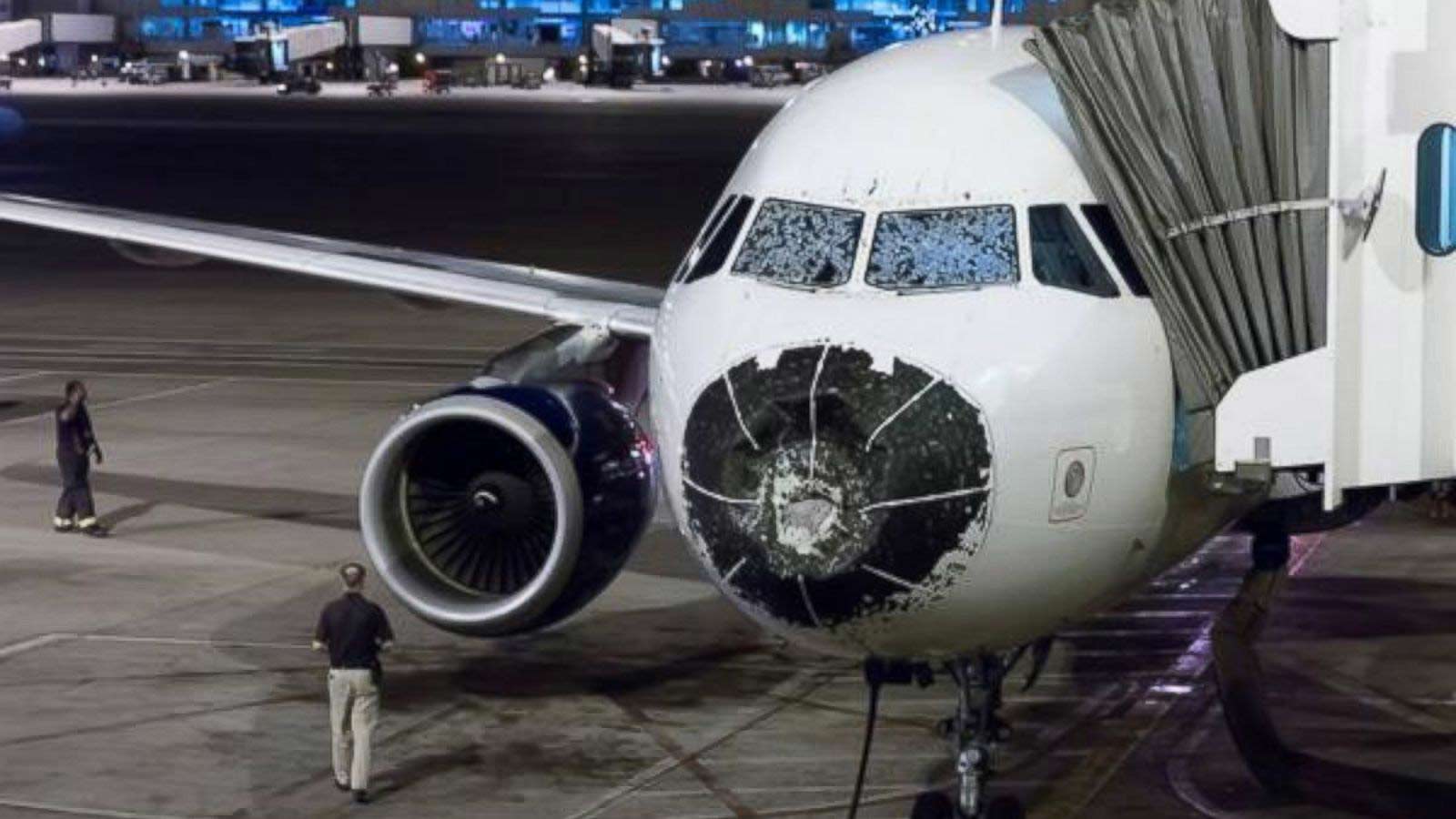
Over 100 Delta Air Lines planes are undergoing detailed inspections after a fierce hailstorm pummeled parts of the Southern United States earlier this week. The storm, which packed hailstones the size of golf balls, raised immediate safety concerns for aircraft navigating the turbulent skies. Delta confirmed the inspection efforts on Thursday, underscoring the unpredictable nature of extreme weather events and their impact on aviation.
Nature’s Power Meets the Fragility of Flight
Few things are as sobering as a hailstorm at 30,000 feet. While passengers might marvel at the spectacle of lightning or hail pelting a plane’s fuselage, for pilots and airline crews, it’s a high-stakes scenario. According to CNN, the hailstorm struck planes traversing the Southern U.S. region, with reports of extensive damage to aircraft exteriors, including dents and cracks on wings and noses.
Aircraft, despite their steel frames and cutting-edge technology, remain vulnerable to such natural forces. “Hail is a direct threat to structural integrity,” noted an expert quoted by Applevalleynewsnow. While planes are built to withstand turbulence, direct impacts from solid hailstones can compromise safety-critical systems, from engines to avionics.
Flight Schedules in Disarray
The inspections, though necessary, have caused widespread disruption. Delta, one of the largest U.S. carriers, hinted at potential delays and cancellations. In a statement reported by Judgenap, the airline stressed the importance of safety over convenience: “We are prioritizing thorough inspections to ensure every aircraft meets our rigorous safety standards.”
The grounding of over 100 planes inevitably ripples through the system. A canceled flight doesn’t just affect passengers on that route; it cascades, impacting crew rotations, connecting flights, and maintenance schedules. Airports across the South—already bustling with summer travel—have been thrown into logistical chaos.
Weather Risks on the Rise
This storm comes amidst growing concerns over how climate change might be amplifying severe weather patterns. Hailstorms, once considered seasonal nuisances, are now punching above their weight, both in frequency and intensity. Aviation industry insiders are calling for better predictive technologies to mitigate such risks in the future.
Delta’s response underscores an industry-wide struggle: how to adapt to an increasingly volatile atmosphere. High-altitude weather radar, while advanced, can’t always give pilots the lead time they need to avoid these perilous pockets of weather.
Nature often reminds us of its strength in unexpected ways. For Delta’s grounded fleet, the hailstorm is a testament to the delicate balance between human innovation and environmental unpredictability.