
Quick Read
- Denver police issued a shelter-in-place order near the University of Denver on January 17, 2026.
- The order was due to an “active barricaded subject” at 2495 S. Vine St., south of the campus.
- A wireless emergency alert (WEA) was mistakenly sent to a broader area than intended across Denver.
- City officials clarified the alert’s scope over 40 minutes after its initial transmission.
- University of Denver campus safety confirmed there was no active threat to the campus itself.
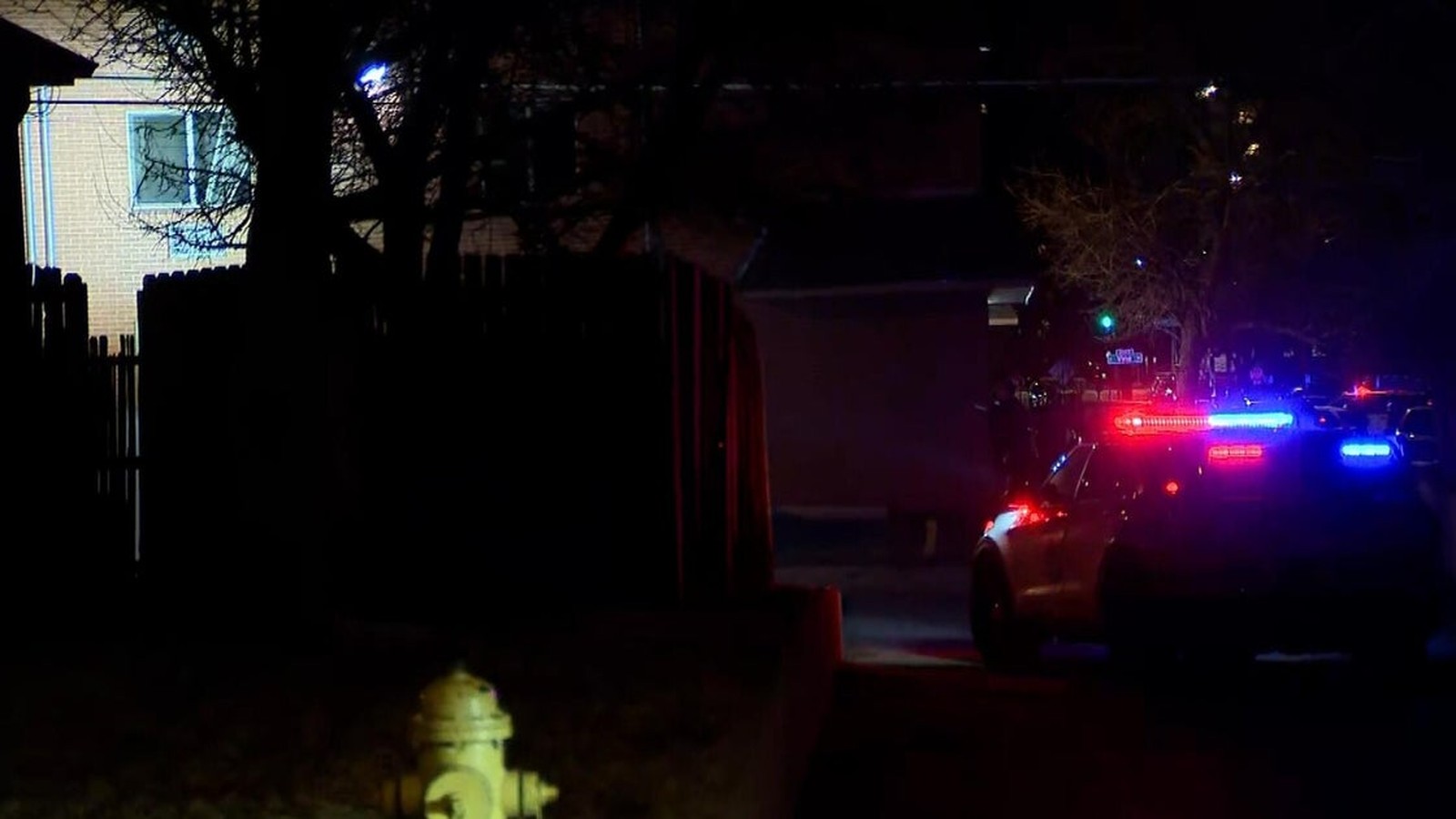
Denver police issued a shelter-in-place order near the University of Denver (DU) campus on Saturday night, January 17, 2026, due to an “active barricaded subject” in a nearby residence, a situation that inadvertently triggered a widespread wireless emergency alert across the city. City officials later clarified that the alert, which reached numerous cellphones, had been mistakenly sent “to a broader area than intended,” causing confusion among residents far from the immediate incident.
The incident unfolded around 8 p.m. local time, prompting a swift response from law enforcement to the area of 2495 S. Vine St., located just south of the DU campus. Denver police confirmed via their official social media channels that officers were attempting to “contact an individual that is barricaded in a residence.” While the situation was serious and required immediate containment, the primary concern for public safety officials quickly shifted to managing the fallout from the over-disseminated emergency notification.
Incident Unfolds Near University Campus
The initial call that led to the shelter-in-place order involved a report of an individual barricaded inside a home at 2495 S. Vine Street. This address is situated within the University neighborhood, a residential area directly adjacent to the University of Denver’s academic and residential buildings. Police swiftly established a perimeter, advising residents within a two-block radius of the address to shelter in place, stay away from windows and doors, and await further instructions. The focus of the police operation was to safely resolve the standoff by making contact with the individual without escalating the situation.
Law enforcement protocols for barricaded subjects typically involve negotiation teams, tactical units, and extensive containment measures to ensure the safety of both the public and officers. These situations can be prolonged, requiring patience and a methodical approach to de-escalation. The presence of such an incident in a densely populated area like the University neighborhood naturally elevates the level of public concern, making clear and accurate communication paramount.
Widespread Alert Causes Confusion
Around 8 p.m., a wireless emergency alert (WEA) was transmitted to cellphones across Denver, warning of an “active threat” and advising recipients to check the Denver Police Department’s (DPD) social media for updates. However, the alert’s broad reach quickly became a point of contention and confusion. Many residents far from the University neighborhood reported receiving the alert, prompting widespread concern and a deluge of inquiries to local authorities and media outlets. According to Denver7, the alert was indeed sent to a much wider area than was necessary for the localized incident.
It took more than 40 minutes for city officials to acknowledge and clarify the error, stating that the alert was intended for a much smaller, specific area around the South Vine Street address. This delay in clarification, coupled with the DPD’s own social media account not posting about the situation until 8:47 p.m. despite the alert directing people there, further exacerbated public anxiety. The incident highlighted the double-edged sword of emergency alert systems: while invaluable for immediate warnings, their broad deployment without precise targeting can lead to unnecessary panic and undermine public trust in future alerts.
The WEA system is designed to deliver critical public safety information to mobile devices in a targeted geographic area. However, technical or human errors in configuring these alerts can lead to significant overreach, as seen in this Denver incident. Such occurrences underscore the need for rigorous protocols and training for emergency communicators to ensure alerts are both timely and appropriately scoped, minimizing disruption and maximizing their effectiveness.
University of Denver Clarifies No Campus Threat
Amidst the developing situation and the confusion caused by the widespread alert, the University of Denver’s campus safety department quickly moved to assure its community. They issued statements via their official X (formerly Twitter) account, clarifying that while the incident was near campus, there was “no active threat to DU.” This was a crucial distinction, as the initial widespread alert, combined with the proximity to the university, could have led students, faculty, and staff to believe they were directly endangered.
DU campus safety officials emphasized that the barricaded subject was off-campus, allowing the university to give an “all-clear” for people on campus, even as the police operation continued in the adjacent neighborhood. This proactive communication from the university was vital in preventing panic and ensuring the safety of its population, distinguishing between a localized police action and a direct threat to the educational institution. The University neighborhood, while distinct from the campus, shares many commonalities and is often considered part of the broader university community, making such clarifications all the more important.
Police Containment and Public Safety Directives
Throughout the evening, Denver police maintained a strong presence in the affected area, focusing on containment and the safe resolution of the standoff. The directive for residents in the immediate two-block radius to “stay away from windows and doors until further notice” is standard procedure in such situations, designed to protect individuals from potential gunfire or other dangers associated with a barricaded subject. These measures are critical for establishing a secure zone and allowing law enforcement to operate effectively without endangering civilians.
The Denver Public Safety Department reiterated on X that the shelter-in-place order was strictly limited to the confined area around 2495 S. Vine Street. This specific geographical limitation was key to managing the public’s understanding of the actual threat footprint, especially after the initial, broader alert. Police continued their efforts to make contact with the individual inside the residence, prioritizing a peaceful resolution. The details surrounding the nature of the threat that prompted the initial response, beyond the individual being barricaded, were not immediately clear, underscoring the dynamic and often opaque nature of unfolding police operations.
The incident in Denver highlights the inherent complexities of emergency communication in the digital age. While technology allows for rapid dissemination of critical safety information, the precision and clarity of these alerts are paramount. The balance between speed and accuracy, especially when leveraging systems like Wireless Emergency Alerts, remains a significant challenge for public safety agencies, requiring continuous refinement of protocols to maintain public trust and effectively protect communities.