
Quick Read
- DFES issued emergency warnings as fast-moving bushfires threatened multiple Perth suburbs and parts of regional WA.
- Evacuations ordered in Kenwick, Wattle Grove, Maddington, Beckenham, Upper Swan, and Bullsbrook.
- Fires impacted major roads, forced school closures, and damaged some structures.
- Regional fires in West River and Fitzgerald also triggered alerts, with firefighting crews working on containment.
- Authorities urged vigilance, with changing conditions and ongoing risks across affected areas.
Emergency Warnings as Bushfires Threaten Perth Suburbs
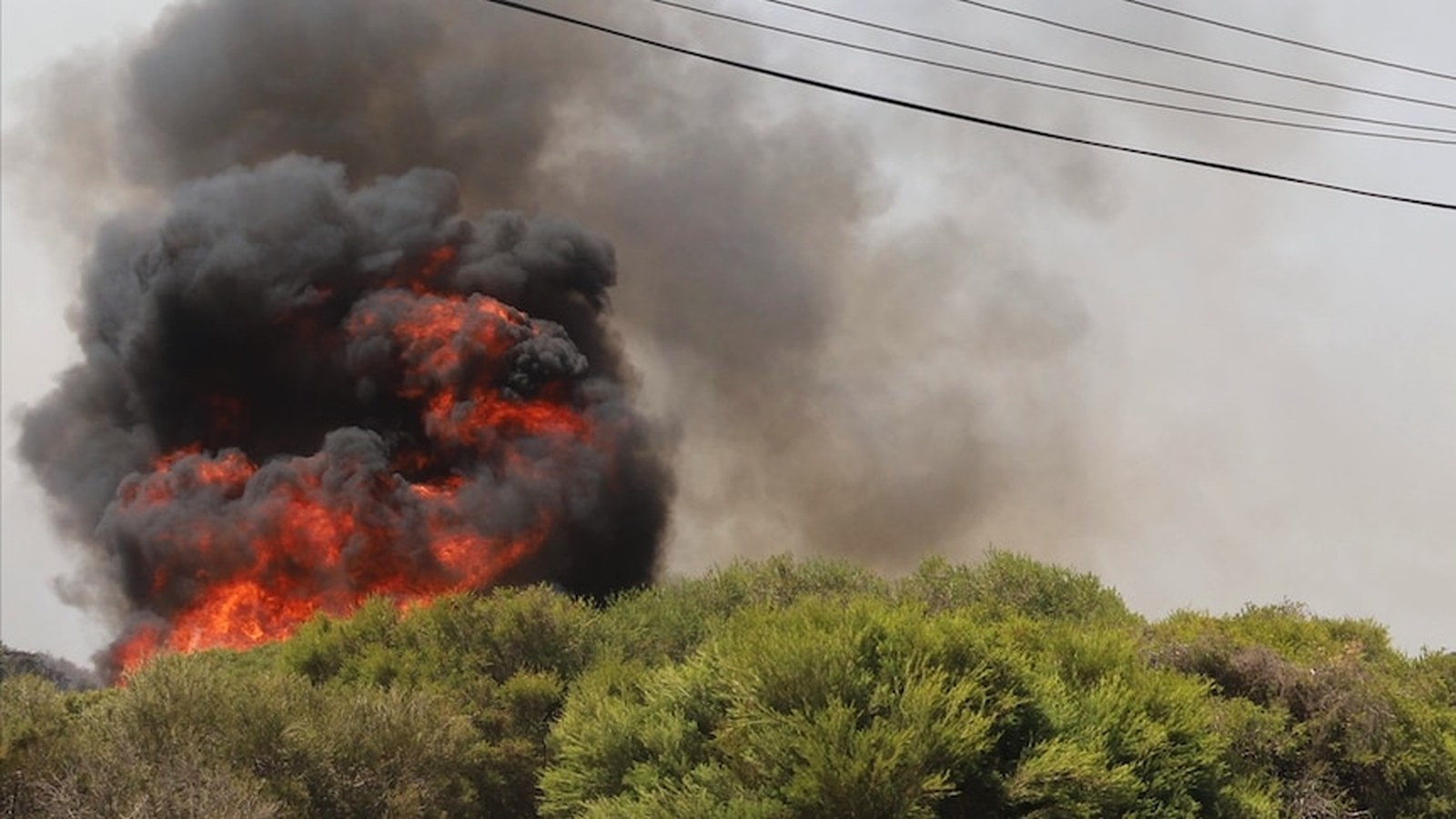
Western Australia has been gripped by a wave of bushfires, with the Department of Fire and Emergency Services (DFES) issuing multiple emergency warnings across metropolitan Perth and regional areas. On December 11, 2025, fast-moving fires forced the evacuation of homes and schools, while ground and aerial firefighting crews worked tirelessly to contain the blazes in punishing summer heat.
Communities at Risk: Kenwick, Bullsbrook, and Surrounds
The most urgent threat erupted in the south-eastern and north-eastern fringes of Perth. Residents in Kenwick, Wattle Grove, Maddington, Beckenham, Upper Swan, and Bullsbrook were told to evacuate as two separate bushfires reached emergency status. The Kenwick fire alone threatened around 50 hectares, with homes and businesses in its path. According to ABC News, the DFES believed some “outside structures” had already been lost, though the full extent of property damage remained unclear as flames advanced rapidly, fanned by south-westerly winds.
Helicopters and aerial tankers swooped low over thick smoke, supporting ground crews who faced walls of flame just meters from vehicles and residential properties. Roads such as Wanaping Road and Bickley Road were closed, with major highways like Roe and Tonkin affected by smoke and firefighting operations. The fire’s proximity to infrastructure, including the Kenwick Wetlands and nearby schools like Rehoboth Christian College and East Kenwick Primary, intensified the urgency. Both institutions were evacuated as a precaution, with the fire burning perilously close to their grounds.
In Bullsbrook and Upper Swan, the northern front of the fires advanced toward RAAF Pearce, Western Australia’s main air force base, raising alarms about potential escalation. Heavy machinery was deployed to dig containment lines, while helitankers were diverted from Kenwick to bolster the northern firefight. By mid-afternoon, a Watch and Act warning was also issued for Quellington, north of York in the Wheatbelt, underscoring the breadth of the emergency.
Regional Fires Compound the Crisis
While Perth’s suburbs braced for impact, regional communities were not spared. In the West River and Fitzgerald regions, a significant bushfire prompted evacuations after it spread rapidly northwest from a paddock. As reported by SSBCrack News, the emergency warning for this fire was downgraded by early evening, but authorities cautioned that the blaze was not fully under control. Firefighters — both career and volunteer — worked alongside local farmers, with water bombers and ground teams striving to contain the spread.
Road closures on the South Coast Highway, along with persistent smoke, kept residents and drivers on edge. Although this fire was separate from a devastating blaze that had recently burned over 4,500 hectares and caused a fatality in the same region, its accidental origin and unpredictable behavior served as a stark reminder of the ongoing risks. Police and emergency services maintained a visible presence, managing access and emphasizing the need for vigilance.
DFES Response: Coordination, Communication, and Community Impact
Throughout the day, DFES maintained a steady stream of updates and alerts. The agency’s approach, combining real-time warnings with practical advice, was instrumental in preventing further tragedy. Residents were urged to monitor conditions, keep doors and windows closed against smoke, and review their emergency plans. For those on the road, the guidance was clear: drive slowly, use headlights, and pull over if visibility deteriorated.
Community members described scenes of anxiety and awe. One local woman in Kenwick, with two decades in the area, told ABC News: “Standing here it’s scary. I’m amazed to see the height of the fire. Have seen a couple of fires, I don’t think I’ve ever seen it this extreme.” Her words echoed the sentiment across affected neighborhoods, where the sheer unpredictability and power of the flames left a deep impression.
DFES also clarified that the West River fire was not a re-ignition of previous blazes but a new, accidental incident. This distinction was important for residents, some of whom remained wary after the tragic events of the prior week. The constant threat, changing wind conditions, and the sheer number of fires placed significant demands on emergency resources and tested the resilience of local communities.
The Broader Picture: Climate, Preparedness, and Resilience
With temperatures soaring to 30 degrees Celsius and high fire danger warnings in effect, the outbreak of multiple bushfires in Western Australia is a stark reminder of the region’s vulnerability during summer. The confluence of dry conditions, gusty winds, and proximity to bushland makes Perth and its surrounds particularly susceptible. For authorities, each new fire represents not just an immediate crisis, but a call to re-examine preparedness and long-term resilience.
For residents, the rapid escalation from normalcy to emergency status is both disorienting and sobering. Emergency plans, community networks, and timely information are vital lifelines. The events of December 2025 highlight the importance of vigilance, clear communication, and the tireless work of firefighters — both professional and volunteer — who risk their safety to protect lives and property.
Assessment: The December 2025 bushfire emergency in Perth and regional Western Australia underscores not only the ferocity and unpredictability of natural disasters in the era of climate volatility but also the indispensable role of coordinated response and community resilience. DFES’s rapid communication, the adaptability of firefighting teams, and the cooperation of local residents have so far helped avert greater tragedy. However, as bushfire seasons become longer and more intense, sustained investment in prevention, preparedness, and public awareness will be critical to safeguarding these vulnerable communities.