
Quick Read
- Dom Taylor, ranked world No65, was suspended from the World Darts Championship after failing a drug test.
- Taylor’s suspension allowed Jonny Clayton to advance directly to the third round.
- The DRA cited anti-doping rules and launched a confidential disciplinary process.
- Taylor had previously missed the 2024-25 championship for a similar violation.
- No further details have been released pending the outcome of the investigation.
Dom Taylor’s Sudden Exit: The Facts Behind the Shock Suspension
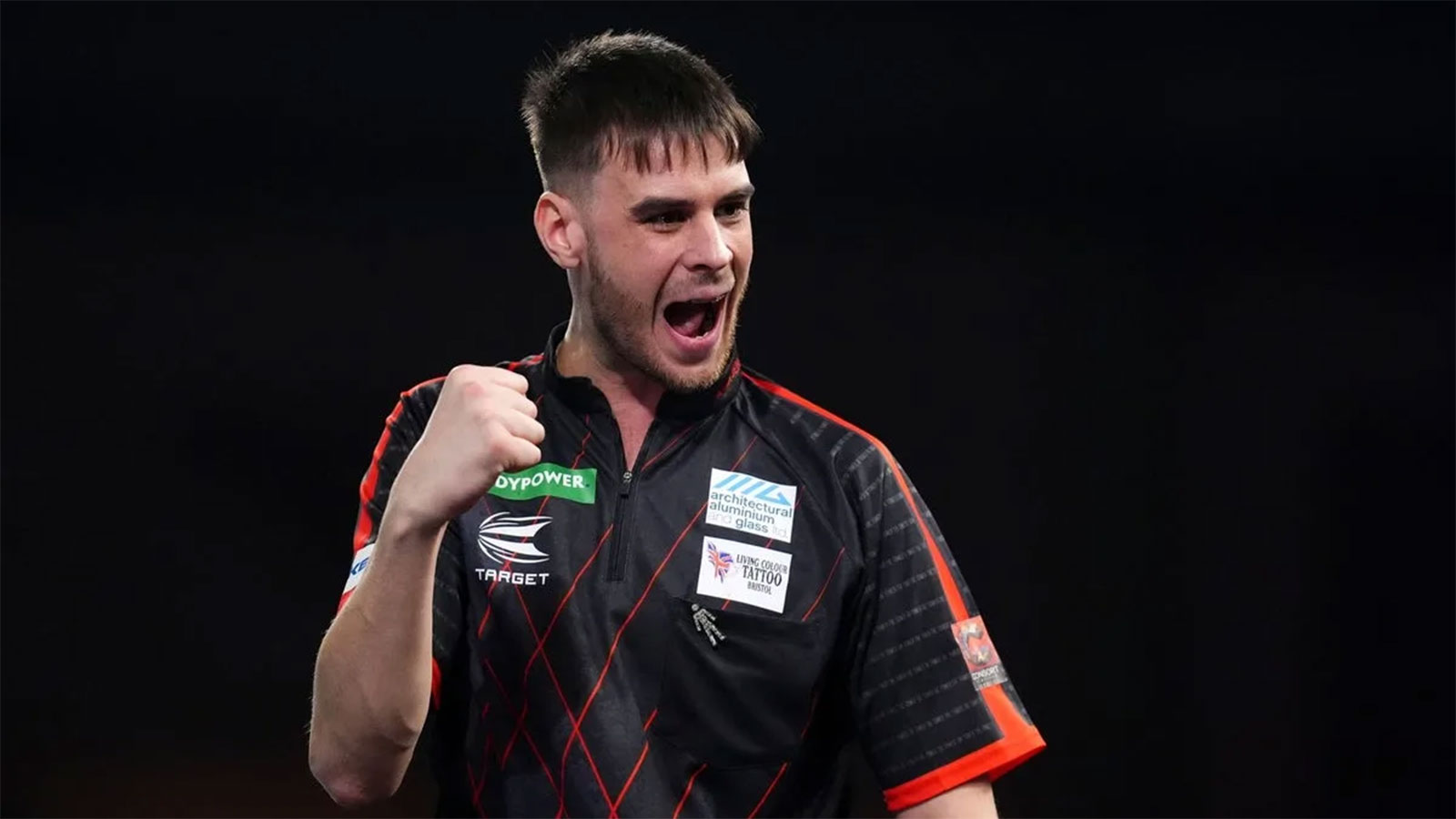
In a stunning turn at the 2025-26 Paddy Power World Darts Championship, Dom Taylor, a promising English darts player from Bristol, was abruptly suspended after failing a drug test. The announcement, made by the Darts Regulation Authority (DRA) on December 19, 2025, sent ripples through the Alexandra Palace venue and the wider darts community. Taylor, just 27 years old and ranked world No65, had been set to face Welsh contender Jonny Clayton in the tournament’s second round. Instead, Clayton advanced to the third round by default, fundamentally altering the competitive landscape.
The Drug Test and Immediate Consequences
The sequence of events unfolded rapidly. According to The Sun, Taylor’s in-competition sample, collected on December 14, returned an adverse analytical finding. Within days, the DRA invoked its anti-doping procedures, suspending Taylor from all DRA-regulated events with immediate effect. The organization emphasized strict confidentiality as the case enters a formal disciplinary process, stating, “The DRA will not be making any further comment pending the outcome of this confidential process.” This silence is typical for such investigations, designed to protect the integrity of the process and the rights of the athlete.
What stands out is the speed and transparency of the initial response. For Taylor, the repercussions were swift and severe. Not only was he barred from the championship, but his future in professional darts now hangs in the balance. Jonny Clayton, meanwhile, was handed a bye into the third round—an unexpected gift, though one that comes tinged with controversy.
Context: Taylor’s Recent History and the Stakes
Taylor’s suspension was not without precedent. As reported by The Sun, he missed the 2024-25 World Darts Championship for a similar anti-doping violation just weeks before that tournament. In his own words, Taylor described that earlier absence as “the biggest letdown of my life.” He spoke candidly last weekend about the isolation and intense practice regimen that defined his comeback, saying, “I wasn’t speaking to anyone, keeping myself to myself and just practising.” His determination to return was palpable: “If I didn’t believe I was going to walk home with a million pounds, I wouldn’t be here.” The failed test this year, however, derailed what could have been a redemptive run.
In his opening match, Taylor had comfortably defeated Swedish player Oskar Lukasiak 3-0. That victory seemed to signal a new chapter—until the news of his suspension broke.
The Tournament’s Ripple Effects
The World Darts Championship is famed for its electric atmosphere and fiercely competitive field. With 128 players vying for a share of a substantial prize fund, every round is crucial. Taylor’s absence not only reshuffled the bracket but also reignited conversations about anti-doping enforcement in darts, a sport often seen as less vulnerable to such scandals compared to more physically demanding disciplines.
For fans and organizers, the incident was a reminder of the pressures and scrutiny professional athletes face. The DRA’s statement, echoed by the PDC, made clear that the rules apply universally, regardless of a player’s stature or popularity. As the championship continues, attention has shifted to other contenders, notably defending champion Luke Littler, but the shadow of Taylor’s suspension lingers.
Broader Implications for Darts and Sports Integrity
Anti-doping measures in darts have become increasingly robust in recent years, reflecting a wider sporting trend. While the specifics of Taylor’s violation remain confidential, the zero-tolerance approach sends a clear message: even in sports where physical enhancement is less obvious, integrity matters. The swift action by the DRA underscores the sport’s commitment to fair play, but it also raises tough questions about support systems for athletes facing personal and professional challenges.
The response from fans and commentators has been mixed. Some express disappointment and frustration, while others point to the necessity of strict enforcement to preserve the sport’s credibility. Taylor’s own reaction—his regret over past mistakes and his drive to return—offers a human perspective often lost in procedural reports.
What Happens Next?
As Taylor’s case moves through the DRA’s disciplinary process, the outcome remains uncertain. Will he face a long-term ban, or could mitigating factors influence the final decision? For now, the PDC and DRA have closed ranks, declining further comment until the investigation concludes (PDC.tv). Meanwhile, the championship carries on, its drama undiminished but its narrative undeniably altered.
For Taylor, the journey from hopeful contender to sidelined athlete is a stark reminder of the precariousness of sporting careers. For the sport of darts, the episode serves both as a cautionary tale and a call to action—reinforcing the need for vigilance, transparency, and empathy.
Assessment: Dom Taylor’s suspension is a watershed moment for darts, highlighting both the vulnerabilities of athletes and the unwavering standards of modern sport. While the facts are clear and the process underway, the human story—of disappointment, resilience, and the quest for redemption—remains unresolved. How the DRA balances enforcement with compassion in the final verdict could set a precedent for the sport’s future integrity.