
Quick Read
- Downton Abbey’s third and final film, The Grand Finale, was released in 2025.
- Creator Julian Fellowes decided not to continue the series to avoid WWII and Nazism themes.
- No future movies or TV seasons will be produced for the franchise.
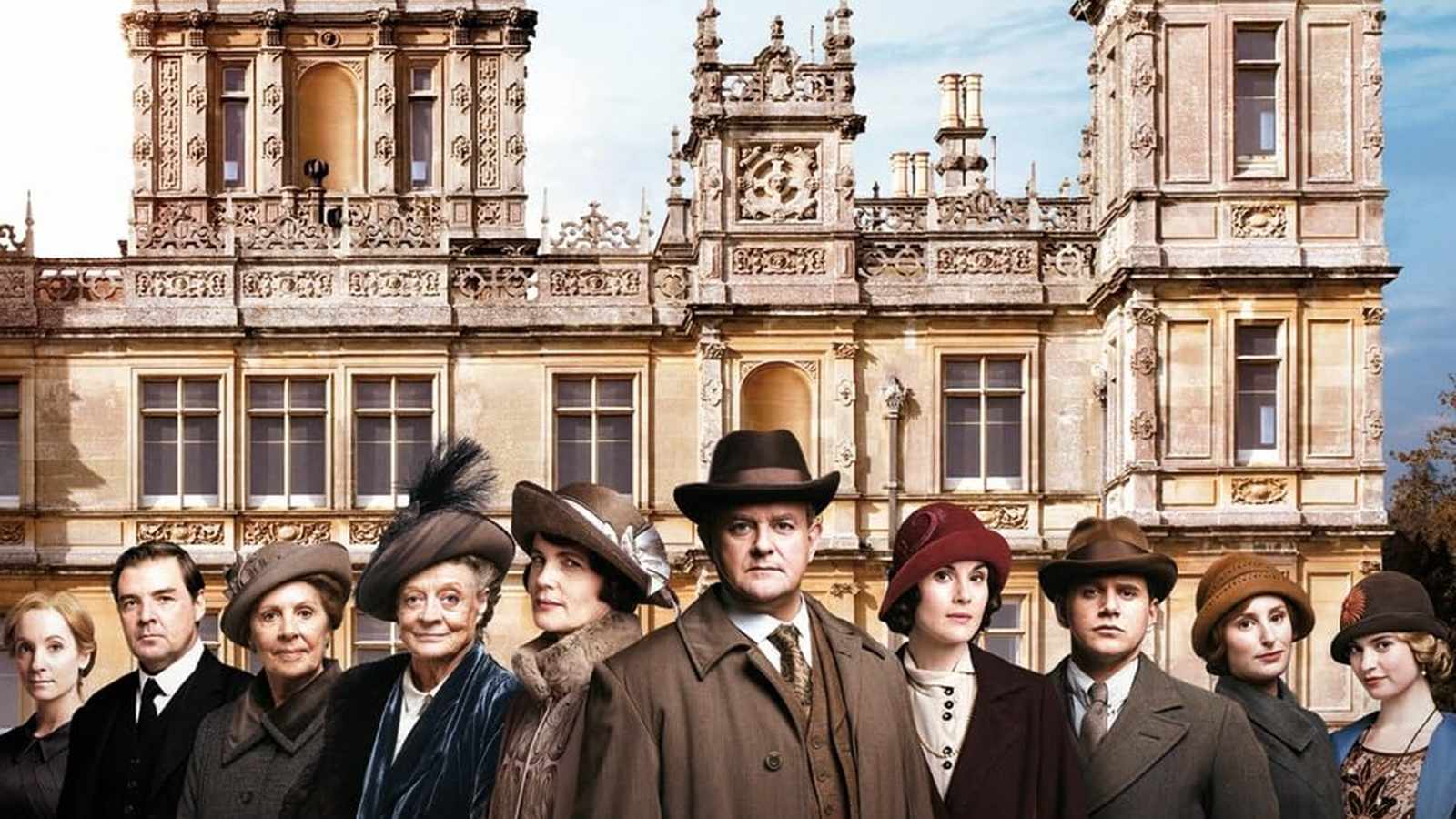
After years of captivating audiences with its intricate stories of the British aristocracy, Downton Abbey has officially drawn its final curtain. Earlier this year, the franchise released its third and last film, Downton Abbey: The Grand Finale, closing the chapter on one of television’s most celebrated period dramas. But why has the world of Downton been shuttered for good?
The answer comes straight from Julian Fellowes, the show’s creator. In a candid revelation reported by Just Jared, Fellowes explained his decision: he did not want to introduce the dark clouds of World War II and the rise of Nazism into the beloved fictional universe. The final film is set in 1930, a time when Europe was still grappling with the aftermath of the First World War, but before the ominous shadow of Hitler’s regime and the horrors that followed.
“I wanted to leave at a time when that had not yet become apparent as a threat,” Fellowes said, referencing the political developments that would soon overtake Europe. For fans, this means there will be no more films, no revived TV seasons, and no further explorations of the Crawley family’s fate as the world changes beyond recognition. It’s a decision rooted in respect for both the narrative’s integrity and the sensitivity required when depicting such traumatic history.
This deliberate ending marks a rare moment in entertainment, where storytelling bows out not because of ratings or creative exhaustion, but out of a thoughtful consideration of history’s weight. The creators chose to freeze Downton in a time of relative peace, avoiding the moral and emotional complexities that would inevitably arise if the series ventured into the era of war and genocide.
For longtime viewers, the news carries a bittersweet edge. Downton Abbey was more than just an opulent mansion filled with witty banter and sumptuous costumes; it was a chronicle of seismic change. The series traced the decline of the British aristocracy, the rise of the working class, and the relentless march of modernity. Every story, from Lady Mary’s heartbreaks to Mr. Carson’s steadfast loyalty, echoed the personal and societal shifts that defined the early twentieth century.
Yet, as Fellowes noted, the story’s end is a conscious act of preservation. By refusing to take Downton into the dark years of World War II, the creators have given fans a gift: the chance to remember the estate and its inhabitants as they were, caught in a moment before the world lost its innocence.
This approach stands in contrast to other period dramas, such as The Testament of Ann Lee, which painstakingly reconstructs the world of the Shakers in eighteenth-century America, or Little House on the Prairie, which navigated the hardships of rural life. Downton, with its stately halls and delicate social maneuvering, always thrived on the tension between tradition and change. But some changes, Fellowes decided, were too profound to fictionalize without diminishing the show’s spirit.
Of course, the Downton universe remains rich with possibility. The series inspired passionate discourse about class, gender, and family, and its influence can be seen in newer shows exploring similar themes. Speculation about crossovers, like one with The Gilded Age, have surfaced—but for now, those ideas remain just that: speculation. Fellowes has not closed the door on inspiration, but he’s locked the gates to Downton itself.
Fans may be tempted to hold out hope for a surprise return, a Christmas special, or an unexpected spin-off. Yet, the message from the creators is clear: Downton Abbey’s story is complete. Its legacy will live on in reruns, in fan discussions, and in the quiet moments when viewers remember the grandeur and heartbreak of a vanished world.
As the final credits roll, Downton Abbey stands as a testament to the power of ending a story on one’s own terms. It is a lesson in restraint, in honoring history, and in understanding that sometimes, the most compelling narrative is the one that knows when to say goodbye.
By sidestepping the era of World War II and Nazism, Julian Fellowes ensures Downton Abbey remains a sanctuary of pre-war memory, preserving its emotional resonance and historical dignity for generations to come. The choice to end here is not just artistic—it’s deeply humane.