

Quick Read
- The Eden Project is marking its 25th anniversary while simultaneously downsizing its major northern expansion in Morecambe.
- The £100 million project has been significantly reduced due to budget constraints, fueling concerns over regional economic disparity.
- Critics are questioning the government’s commitment to regional development as the contrast between the project’s brand success and its northern site struggles becomes more apparent.
CORNWALL (Azat TV) – The Eden Project, a flagship of British environmental education and tourism, finds itself at a critical juncture as it marks its 25th anniversary this March. While the organization celebrates a quarter-century of global influence from its Cornwall base, its long-awaited northern expansion in Morecambe has been significantly scaled back, triggering a wave of criticism regarding the government’s commitment to regional development in the North of England.
The Shift in Morecambe’s Expansion Strategy
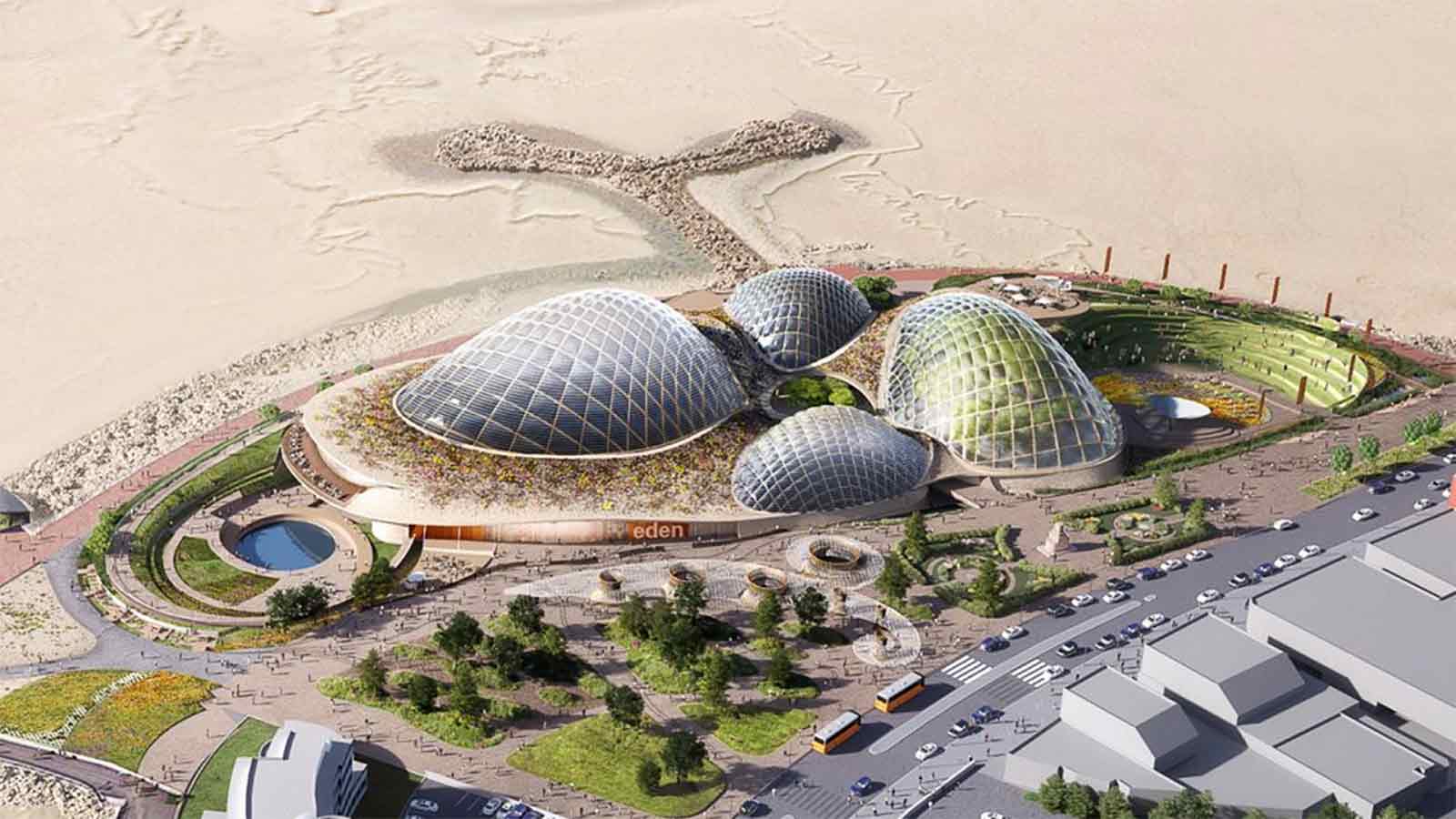
The ambitious £100 million plan for Eden Project Morecambe, once touted as a catalyst for local economic regeneration, has faced substantial trimming. Recent disclosures confirm that the project’s physical footprint and scope have been reduced to align with tightened budgetary constraints. This pivot marks a departure from the grand vision originally presented to the community, which promised a transformative destination capable of revitalizing the coastal town’s economy through sustainable tourism and scientific research.
Stakes for Northern Economic Development
The reduction has ignited a sharp debate regarding the so-called North-South divide. Local advocates and regional planners argue that the scaling back of such a high-profile project undermines the government’s promises of leveling up infrastructure outside of London and the South East. Critics contend that while the organization maintains a strong brand, the decision to prioritize fiscal caution over the original project design leaves the North of England with a diminished version of the promised economic engine.
Optics of the 25th Anniversary
The anniversary festivities, which include high-profile events and royal recognition, have drawn a stark contrast to the reality of the Morecambe site. Observers note the irony of celebrating the project’s enduring success while simultaneously managing the fallout from a major contraction in its future growth. The juxtaposition of these events has placed the Labour government under increased scrutiny, with opposition voices demanding clarity on why funding for such significant regional assets has become increasingly precarious in the current economic climate.
The strategic downsizing of the Morecambe expansion suggests that even high-profile cultural and environmental institutions are not immune to the cooling of public-private funding models, forcing a difficult trade-off between maintaining a legacy brand and delivering on promises of regional economic transformation.