

Quick Read
- Global Minecraft outage starting June 3, 2026, disrupts millions of users.
- Issues centered on Microsoft account authentication and Azure cloud stability.
- The disruption coincided with the release of Bedrock 26.40.20 beta.
- Educational institutions using Minecraft Education Edition faced significant class disruptions.
- Ongoing backend problems suggested, marking the second day of technical issues.
The June 2026 Outage: Technical Breakdown and Scope
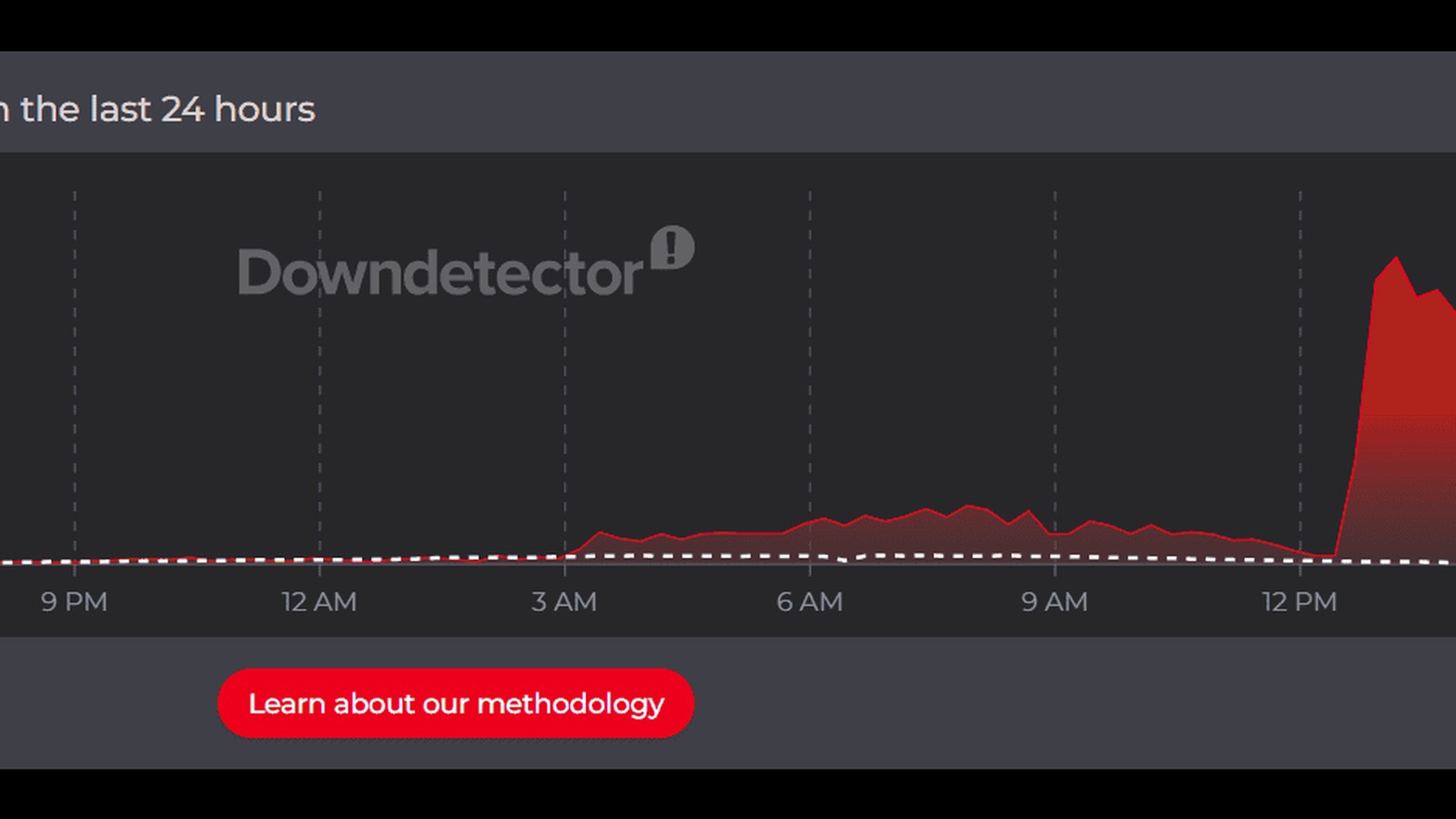
On June 3, 2026, Minecraft, the sandbox phenomenon owned by Microsoft, experienced a significant global service disruption that left a substantial portion of its 140 million monthly active users unable to access multiplayer environments or authenticate their accounts. The outage, which persisted for over 48 hours in varying degrees of severity, represents one of the most visible failures in recent years for a platform that has become a cornerstone of both digital entertainment and educational infrastructure. Reports began flooding monitoring services such as StatusIsDown early Wednesday morning, with users citing a range of error messages involving Microsoft account restrictions and server connection timeouts. This incident followed a series of minor disruptions reported the previous day, suggesting a deeper, systemic issue within the backend architecture rather than a localized server glitch.
Systemic Vulnerabilities in the Azure Ecosystem
The technical core of the disruption appears rooted in the authentication and cloud-hosting layers managed by Microsoft. Since acquiring Mojang for $2.5 billion in 2014, Microsoft has aggressively integrated Minecraft into its Azure cloud ecosystem. While this integration provides the scalability required for cross-platform play across PC, consoles, and mobile devices, it also creates a single point of failure. When Azure’s identity management or regional node clusters face instability, the impact cascades across the entire gaming division. Analysts point out that as Minecraft shifts further toward a ‘Live-Service’ model—relying on constant connectivity for marketplace transactions, subscription-based Realms, and cross-save functionality—the tolerance for downtime decreases. The June 2026 outage highlights that even the most robust cloud infrastructures are not immune to configuration errors or capacity overloads during peak periods, such as school holidays.
Economic and Educational Implications
The stakes of such outages extend beyond mere recreational frustration. For Microsoft, Minecraft is a flagship title for the Xbox Game Pass, and service stability is directly correlated with subscriber retention and marketplace revenue. Furthermore, the Minecraft Education Edition is utilized by thousands of schools worldwide for curriculum-based learning in STEM and social sciences. Sudden downtime disrupts lesson plans and institutional workflows, raising questions about the reliability of digital educational tools that lack robust offline alternatives. The financial impact is also felt by third-party server administrators and content creators who rely on the game’s uptime for their livelihoods. In the absence of a detailed post-mortem from Mojang, the community has been left to speculate on whether the infrastructure was strained by the rollout of new features or if external network pressures played a role.
The Beta Paradox: New Features vs. Core Stability
Ironically, the outage coincided with the release of the Minecraft Bedrock 26.40.20 beta and preview versions. While Mojang continues to push the boundaries of the game with graphical improvements and biome updates, the inability of the stable release to maintain connectivity suggests a disconnect between content development and infrastructure maintenance. The Bedrock 26.40.20 beta introduces significant changes meant to be tested by the community, yet the primary challenge for the developers remains the stabilization of the existing network code. This ‘beta paradox’—where new content is prioritized over fundamental reliability—is a common critique in the modern gaming industry, where the pressure to deliver constant updates often outpaces the capacity to ensure 99.9% uptime for the global player base.
Regulatory Scrutiny and Consumer Trust
As Microsoft continues to expand its footprint in the gaming industry, most notably through the acquisition of Activision Blizzard, regulatory bodies are increasingly looking at the resilience of these mega-platforms. Antitrust oversight often focuses on market share, but technical reliability is becoming a consumer protection issue. If a single entity controls the infrastructure for a significant portion of the world’s digital interaction, a technical failure becomes a matter of public interest. The June 2026 incident may serve as a catalyst for discussions regarding ‘Right to Play’ and the necessity for offline modes in software that was traditionally accessible without a persistent internet connection. For a game that has existed for over 15 years, maintaining the trust of a multi-generational audience is paramount, and frequent disruptions risk eroding the goodwill that has sustained Minecraft’s longevity.
The persistence of this outage underscores a critical transition in the digital economy: the move from product ownership to service dependency. As platforms like Minecraft become essential social and educational hubs, the lack of transparency regarding backend failures and the absence of redundant offline systems present a growing risk. For Microsoft, the challenge is no longer just about adding new blocks or biomes; it is about proving that its centralized cloud model can support the weight of a global digital society without buckling under technical debt or scaling complexities.