
Quick Read
- The Elizabeth Line was suspended between Paddington and Abbey Wood due to engineering overruns and a points failure.
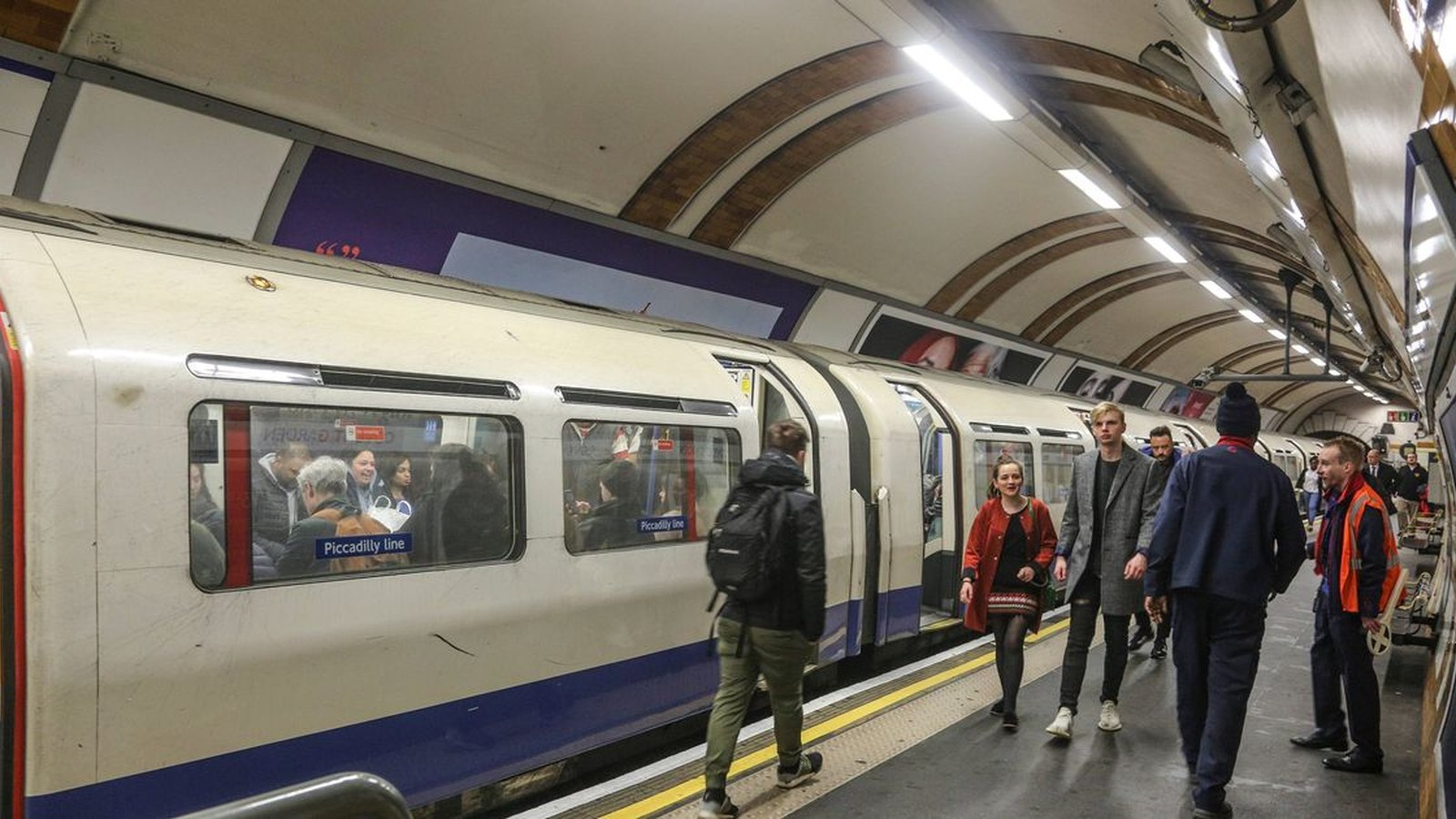
- Four other London Underground lines, including District and Piccadilly, faced severe delays during the December 2025 rush hour.
- Commuters were advised to use alternative routes, with tickets accepted on other services.
- National Rail warned disruptions would last throughout the morning.
- The incident highlighted vulnerabilities in London’s transport infrastructure and planning.
Elizabeth Line Faces Severe Delays and Suspension Amidst London Rush Hour
London’s morning commute on December 10, 2025, turned into a test of patience and adaptability as the city’s prized Elizabeth Line was hit by severe delays and a partial suspension. This disruption came at the worst possible time—just as thousands of workers, students, and travelers were heading out, expecting the usual efficiency of Transport for London’s services.
According to MyLondon and The Sun, the trouble began with engineering works that overran their scheduled completion, leaving vital sections of the Elizabeth Line out of action. Specifically, trains were suspended between Paddington and Abbey Wood, a stretch that threads through the heart of the capital and connects key neighborhoods. The late finish of these engineering works was compounded by a points failure at Paddington, further stalling operations and leaving platforms eerily quiet where crowds would usually bustle.
Multiple Underground Lines Disrupted: The Ripple Effect
The chaos didn’t end with the Elizabeth Line. As the morning unfolded, four other lines—the District, Piccadilly, Metropolitan, and Hammersmith & City—reported delays and partial suspensions. The Piccadilly Line saw service cut between Hyde Park Corner and Cockfosters, while the District Line struggled between Earl’s Court and Upminster, and the Metropolitan Line limped along between Harrow-on-the-Hill and Watford, as well as Rickmansworth.
Commuters arriving at stations across the city were greeted by digital boards flashing red warnings and staff directing them to alternative routes. The disruption spread quickly, not just affecting underground travel but spilling over to the London Overground and National Rail services as passengers scrambled for any way to reach their destinations. National Rail warned that the impact would last throughout the rush hour, urging travelers to check for updates and consider different options.
Commuter Experience: Frustration, Adaptation, and Community Response
For many Londoners, these delays were more than a minor inconvenience—they upended daily routines and forced a rapid rethink of how to get around. Some took to social media to voice their frustration, while others swapped stories and tips in WhatsApp groups dedicated to real-time travel news. Transport for London responded by allowing tickets to be used on other Underground lines and overground services, aiming to soften the blow and keep the city moving.
But the morning’s events revealed just how interconnected and fragile the system can be. The Elizabeth Line, since its high-profile opening, has been hailed as a game-changer for East-West connectivity. Its suspension highlighted both its importance and the challenges of maintaining such a vast, complex network. The closure of the Paddington-Abbey Wood section meant that entire communities—residential and commercial—were temporarily cut off from their usual transport lifelines.
Behind the Delays: Engineering Works and Signal Failures
What caused the meltdown? Sources point to a combination of engineering overruns and technical failures. The late completion of overnight works, which are typically planned to minimize daytime disruption, left critical switches and points unavailable for the morning rush. A points failure at Paddington was singled out as a key culprit, preventing trains from accessing platforms and causing a domino effect across the network.
Complicating matters, a signal failure at London Charing Cross added to the woes, affecting platforms 1, 2, and 3. These technical glitches, while not unprecedented, serve as a stark reminder of the delicate balance required to keep London’s transport arteries flowing.
Looking Forward: Lessons and Next Steps for London’s Transport
As services slowly returned to normal later in the day, questions lingered about how such disruptions can be prevented in the future. Londoners are no strangers to delays, but the scale and timing of this incident pushed many to their limits. Transport for London faces the ongoing challenge of balancing necessary upgrades and maintenance with the needs of millions who rely on timely, reliable service.
For some, the morning was a lesson in resilience—navigating alternative routes, sharing information, and finding solidarity in shared frustration. For others, it was a call to action: better planning, faster communication, and smarter contingency measures are needed to ensure that even when things go wrong, the city doesn’t grind to a halt.
Ultimately, the December 2025 Elizabeth Line suspension will be remembered as a moment when London’s transport network was tested, both in its technical capacity and its ability to respond to the unexpected. Whether future improvements will be enough to prevent similar chaos remains to be seen, but for now, the city’s commuters have proven once again that, even in the face of disruption, London keeps moving.
Analysis: The events of December 10, 2025, underline the critical importance of robust maintenance planning and rapid response protocols for urban transport networks. While engineering upgrades are essential for safety and long-term reliability, their execution must be balanced against operational realities—especially during peak hours. The Elizabeth Line’s suspension exposed vulnerabilities not just in infrastructure, but in communication and contingency planning. Going forward, transparent updates and flexible ticketing policies will be vital tools in maintaining public trust and commuter resilience.