
Quick Read
- Erfan Soltani, 26, faces imminent execution in Iran for participating in anti-government protests.
- He was arrested on January 8, 2026, and reportedly charged with “waging war against God,” with execution set for January 14.
- Rights groups claim Soltani was denied a trial, legal counsel, and access to his case file.
- The protests, sparked by economic issues, have evolved into demands for systemic regime change.
- Iranian authorities are conducting a brutal crackdown, with death tolls reported in the thousands, amidst a nationwide communications blackout.
In a stark illustration of Iran’s intensifying crackdown on dissent, 26-year-old Erfan Soltani is reportedly facing imminent execution, charged with the grave offense of “waging war against God.” His case has ignited a fresh wave of global outcry, casting a harsh spotlight on the severe measures employed by Iranian authorities to quell widespread anti-government protests that have swept across the nation since late December 2025.
Soltani, arrested on January 8, 2026, in Fardis, Karaj district, for his participation in the ongoing demonstrations, is said to be scheduled for execution on January 14, just six days after his detention. Rights groups, including the Norway-based Iran Human Rights, have sounded the alarm, highlighting the alarming speed of judicial proceedings and the alleged denial of due process. Soltani’s family claims he was afforded no trial or hearing, and his sister, a licensed lawyer, was reportedly blocked from accessing his case file or representing him. Activists assert that he was allowed a mere ten-minute meeting with his family on January 11 to bid farewell, underscoring the arbitrary nature of his impending fate.
A Nation’s Cry for Change: From Economy to Regime
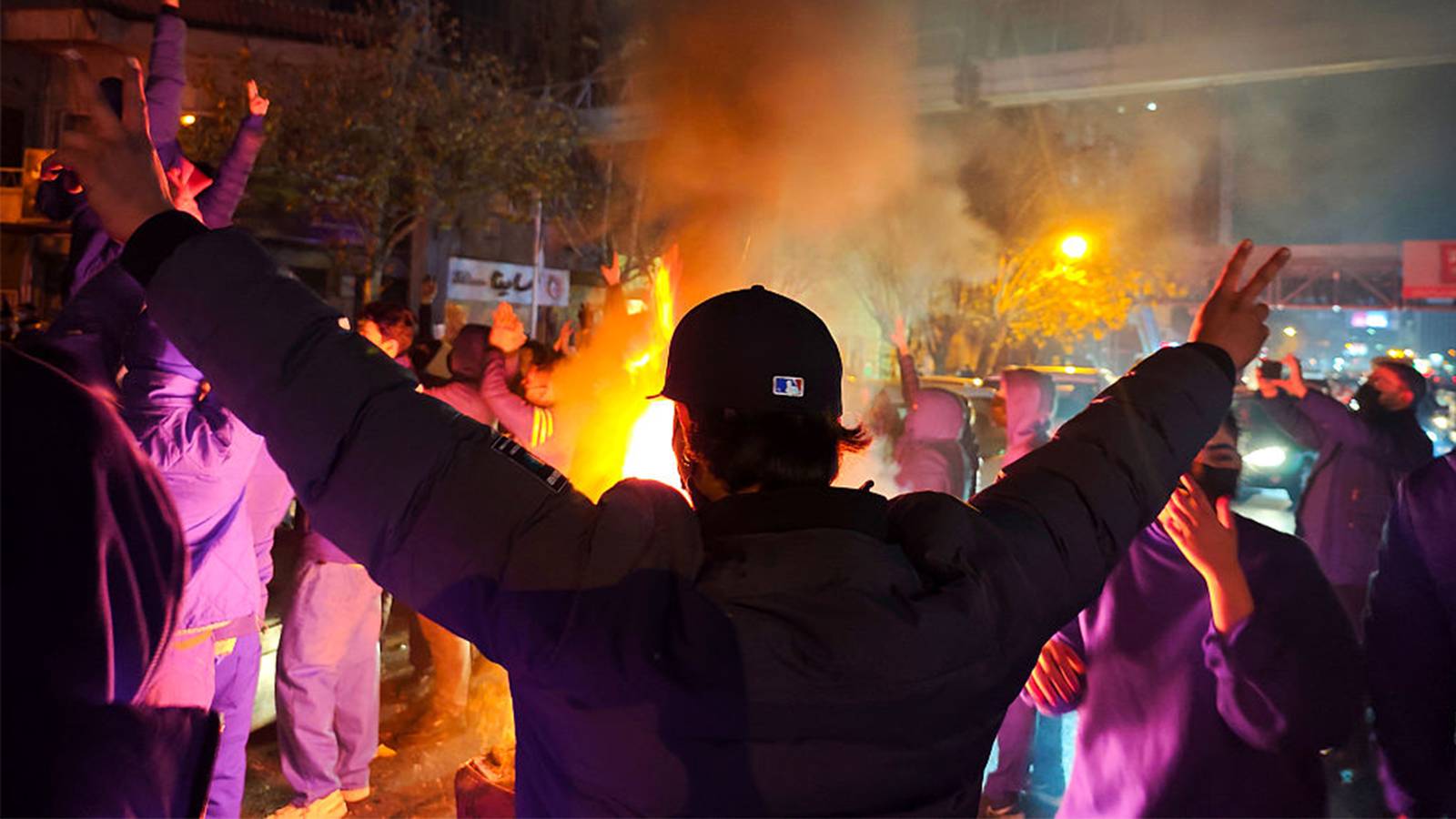
The latest wave of unrest, initially sparked by spiraling inflation and a dramatic freefall of the national currency, has rapidly transformed into a far broader and more fundamental challenge to Iran’s clerical rule. What began as economic grievances among shopkeepers has evolved into a powerful, nationwide movement demanding systemic change, not merely reforms within the existing framework. Protesters are no longer whispering about policy adjustments; they are openly calling for the removal of religious leaders, including Ayatollahs and Mullahs.
This shift represents one of the most significant challenges to the Islamic Republic since its 1979 revolution. The slogan “Women, Life, Freedom,” which galvanized the 2022 protests following Mahsa Amini’s death in police custody, echoes in the streets, but the current demands appear even more audacious. Demonstrators are expressing a clear desire to dismantle the very foundations of the current system, a sentiment that has been met with an increasingly brutal response from the authorities.
Brutal Crackdown and a Stifled Truth
Iranian officials have launched a violent crackdown on the demonstrations, branding participants as “rioters” and deploying markedly stronger suppression methods than in previous protests. Rights groups report that over 600 people have died, while Reuters, citing an unnamed official, placed the death toll at approximately 2,000. Other reports, like those from HRANA, indicate over 10,721 arrests since the protests began. Concerns are mounting that the actual number of fatalities could be significantly higher, potentially reaching several thousands, due to a nationwide internet blackout imposed by authorities.
This communications blackout serves a dual purpose: it limits the flow of information among protesters, hindering their organizational efforts, and crucially, it restricts the international community’s ability to ascertain the true scale of the violence. As one protester outside the Iranian Embassy in Yerevan, Armenia, lamented to RFE/RL, “It’s about five days now that all connections have been shut down, and there is no way to communicate with Iran. They can easily kill people there without the world knowing about it.” Reports from doctors inside Iran confirm a disturbing escalation in the type of force used, with a shift from shotguns to direct live ammunition at close range, resulting in more severe injuries.
Global Condemnation and Warnings from Washington
The international community has reacted with strong condemnation to Iran’s actions. United Nations human rights chief Volker Turk issued a statement on January 13, decrying the authorities’ decision “to inflict brutal force to repress legitimate demands for change” and asserting that “the killing of peaceful demonstrators must stop.” He also criticized the labeling of protesters as “terrorists” to justify violence against them, deeming it unacceptable.
The United States and other Western nations have similarly denounced the crackdown. US President Donald Trump has repeatedly warned Iranian authorities of “very strong” consequences if protesters are killed. On January 12, he announced on social media that any country doing business with Iran would face a 25 percent tariff on trade with the United States, although details on enforcement remain sparse. The White House also confirmed that Trump was weighing military options, with Press Secretary Karoline Leavitt stating that while diplomacy is the first option, the president “has shown he’s unafraid to use military options if and when he deems necessary.” However, such actions would face constitutional checks, as Senator Rand Paul noted, requiring congressional approval. Iran, in turn, has threatened retaliation against US troops in the region if struck, with Foreign Minister Abbas Araghchi declaring Tehran “fully prepared for war.”
A Precarious Balance: Life, Liberty, and the Rule of Law
The case of Erfan Soltani underscores the perilous situation faced by countless individuals caught in the crosshairs of Iran’s internal struggle. His reported imminent execution, without apparent due process, stands as a chilling symbol of a regime determined to crush dissent at any cost. This brutal approach, coupled with a deliberate communications blackout, creates an environment where human rights abuses can proliferate with little accountability. The international community’s response, while vocal, faces the complex challenge of influencing a sovereign state that appears increasingly isolated and resolute in its actions. The trajectory of these protests, and the fate of individuals like Soltani, will inevitably shape Iran’s future and its standing on the global stage.
The reported execution of Erfan Soltani, if carried out, would serve as a grim message from the Iranian government: that participation in anti-establishment protests carries the ultimate price, and that the state is willing to bypass fundamental legal norms to enforce its will. This escalation not only deepens the human rights crisis within Iran but also solidifies the protesters’ conviction that only a complete change of the system can bring about the freedoms they demand, thereby fueling a cycle of repression and resistance that shows no signs of abating.