


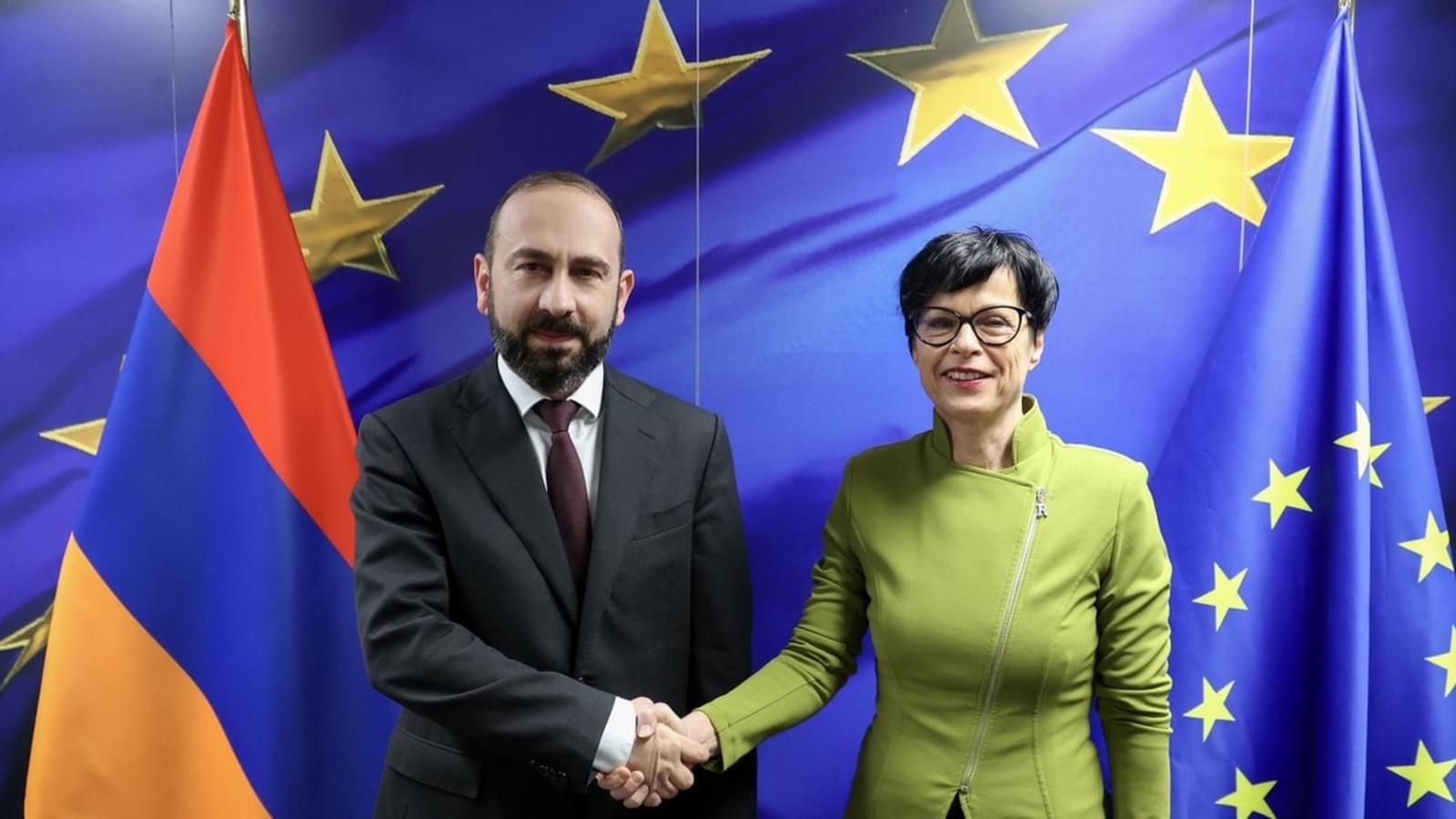
The European Parliament has reaffirmed its commitment to Armenia’s democratic resilience, signaling a pivotal shift in Brussels’ engagement with the South Caucasus. Following a decisive vote on April 30—where 476 members of the European Parliament supported a resolution backing Armenia’s democratic development and European integration—the focus has turned to the practical application of this partnership. Miriam Lexmann, the European Parliament’s rapporteur for Armenia, has framed this as a historic opportunity to move beyond rhetoric and toward concrete institutional alignment.
Aligning Reform with European Standards
The path toward deeper integration remains fundamentally tied to Armenia’s domestic reform agenda. Lexmann emphasizes that while the European Union is ready to provide investment, technical assistance, and support for digitalization and competitiveness, the burden of meeting accession-ready criteria rests with Yerevan. This includes critical areas such as border security and the rule of law, which remain central to the potential for visa liberalization. The EU’s approach, characterized by the CEPA agreement and the ‘Global Gateway’ initiative, aims to bolster regional resilience against external influence, acknowledging that the bloc previously underestimated the geopolitical weight of Russian dominance in the region.
Security and Regional Accountability
Beyond institutional reform, the partnership faces the immediate challenge of regional security. Lexmann has been vocal about the necessity for coordinated pressure from both the EU and the United States on Baku to secure the release of Armenian detainees. This demand highlights a critical tension: the EU seeks to act as a mediator for peace between Armenia, Azerbaijan, and Turkey, yet it must reconcile this role with the imperative of protecting human rights and ensuring that democratic values remain a prerequisite for regional cooperation. The European model, born from the reconciliation of nations following mid-20th-century conflicts, serves as the aspirational framework for this diplomatic effort.
A Strategic Synthesis
The current momentum is not merely a diplomatic courtesy but a strategic necessity for both parties. For Armenia, the challenge lies in translating European political support into tangible economic and security benefits while navigating a volatile neighborhood. The upcoming summits in Yerevan—covering both Armenia-EU relations and the European Political Community—will serve as the first major test of this commitment. Ultimately, the success of this partnership will be measured by Armenia’s ability to solidify its democratic institutions and the EU’s willingness to provide a clear, actionable roadmap that moves past standard cooperation toward genuine geopolitical integration.