
Quick Read
- Danone has expanded its recall of Aptamil and Cow & Gate baby formula products in the UK and Ireland.
- The recall is due to the potential presence of cereulide toxin, which is heat-stable and causes severe vomiting and diarrhoea.
- 36 children across the UK have fallen ill with symptoms consistent with cereulide toxin poisoning after consuming implicated formula batches.
- The contamination originated from arachidonic acid (ARA) oil manufactured in China, supplied by a third party to both Danone and Nestle.
- Parents are advised to check batch codes, stop using affected products, and contact healthcare professionals if concerned.
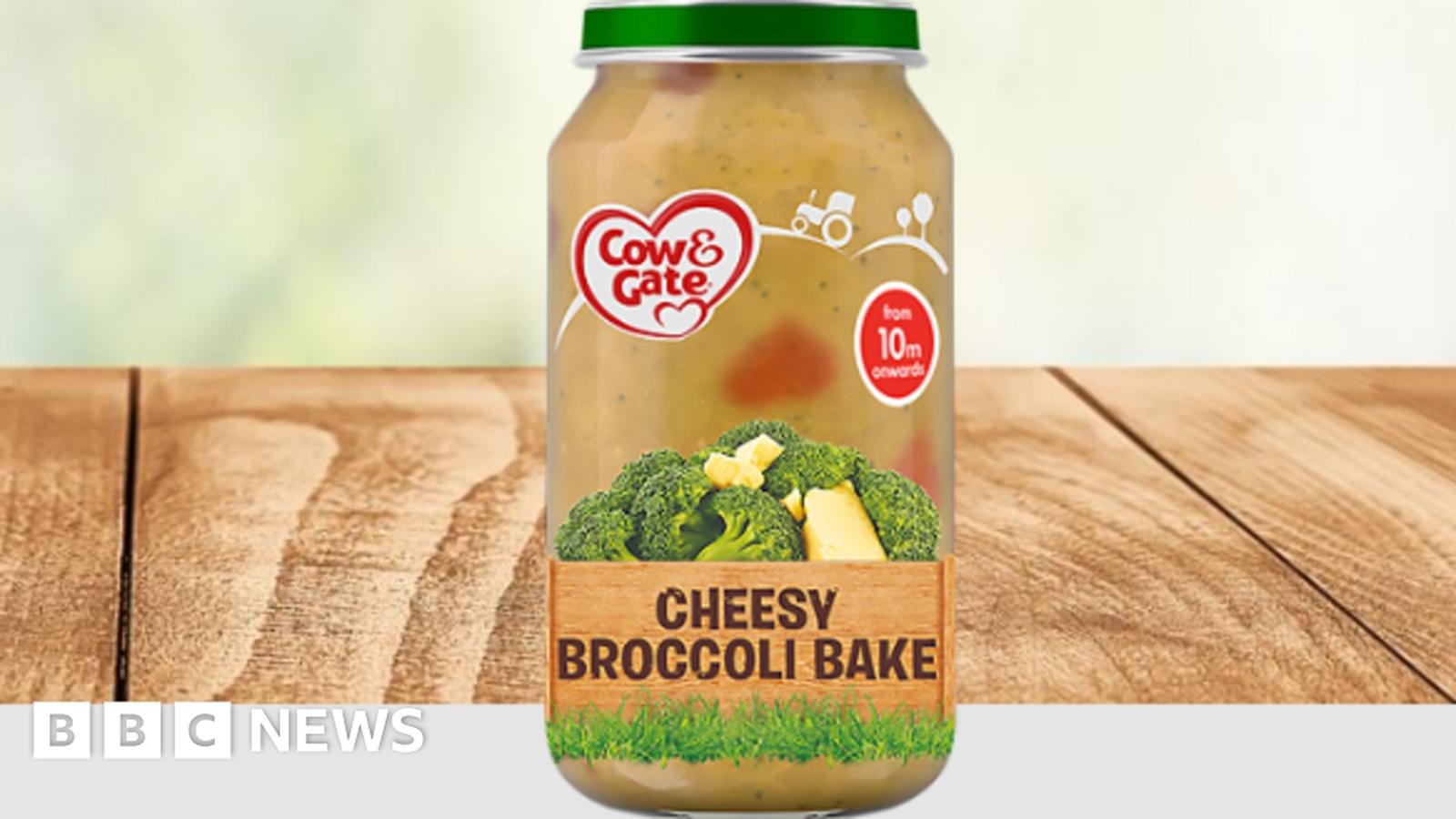
LONDON (Azat TV) – Danone has significantly expanded its recall of Aptamil and Cow & Gate baby formula products in the UK and Ireland, following reports of 36 children falling ill across the UK due to contamination with the cereulide toxin. This latest action, announced by the Food Standards Agency (FSA) and the Food Safety Authority of Ireland (FSAI) on Friday, February 6, 2026, broadens a previous recall and includes a wide range of First Infant Milk and Follow-on Milk products, intensifying concerns among parents and public health officials.
The expanded recall comes after Nestle initiated a similar recall last month for over 60 batches of its SMA formula milk, also linked to cereulide contamination. The UK Health Security Agency (UKHSA) has confirmed that the 36 cases of illness in children, reported across England, Scotland, Wales, Northern Ireland, and the Crown Dependencies, are consistent with cereulide toxin poisoning and related to the consumption of implicated baby formula batches.
Danone’s Expanded Recall Details and Affected Products
Danone’s latest recall encompasses numerous Aptamil and Cow & Gate products, including various sizes and types of First Infant Milk and Follow-on Milk. The FSAI noted that this expansion in Ireland follows the European Food Safety Authority’s recent publication of a recommended acute reference dose for cereulide in infant formula. While no cases of human illness directly linked to the affected products have been confirmed in Ireland to date, the recall is a precautionary measure.
Parents are strongly advised to meticulously check batch codes on any Aptamil, Cow & Gate, or previously recalled SMA brands of formula they may have at home. The affected products are unlikely to remain on shop shelves but could still be in household cupboards. If an affected batch is identified, it should not be used and can be returned to the store for an exchange for an unaffected batch. For formula prescribed by a doctor, parents should consult a pharmacist or doctor before making any changes.
The comprehensive list of recalled products includes, but is not limited to, Aptamil 1 First Infant Milk (various sizes and formats), Aptamil 2 Follow On Milk (various sizes and formats), Cow & Gate 1 First Infant Milk (various sizes and formats), and Cow & Gate Anti-Reflux. Specific batch codes for SMA products were also listed as part of the broader issue.
Understanding the Cereulide Toxin and Health Risks
Cereulide is a potent toxin produced by certain strains of *Bacillus cereus*, a spore-forming bacterium capable of contaminating various food products. A critical characteristic of cereulide is its high heat stability, meaning it is unlikely to be deactivated or destroyed even when formula is prepared using boiling water or cooked, as highlighted by the FSA. This makes contaminated products particularly dangerous for infants.
Symptoms of cereulide toxin poisoning typically have a rapid onset, appearing between 15 minutes and six hours after ingestion. These can include abrupt and repeated vomiting, sleepiness, appearing weak or pale, severe dehydration (such as a dry nappy after six hours), abdominal pain, stomach cramps, and diarrhoea. While most cases resolve within 24 hours without ongoing exposure, the UKHSA has noted a ‘few’ rare instances of more severe complications, including liver or kidney injury, muscle breakdown, and multi-organ failure. Young children and those with compromised immune systems are at higher risk of such severe outcomes.
Chelsea Kelly, a mother whose 10-week-old baby, Kai, developed a ‘dangerous’ fever, vomiting, and diarrhoea after consuming an implicated batch of SMA formula, shared her harrowing experience with The Sun, underscoring the severe impact on families.
Global Investigation and Safety Measures for Infant Formula
The contamination has been traced back to arachidonic acid (ARA) oil, an ingredient vital for infant development in non-breastfed babies, which was manufactured in China. This ARA oil, contaminated with cereulide, was then added to base powder used to make infant formula and follow-on formula. Both Danone and Nestle have confirmed they are no longer sourcing ingredients from the affected third-party supplier.
Katie Pettifer, Chief Executive of the FSA, emphasized the legal responsibility of food businesses to sell safe food, including verifying the safety of ingredients from suppliers. The FSA is actively collaborating with international food safety authorities on this ‘global recall’ and expects manufacturers to provide clear explanations and assurances to prevent future occurrences. Greg Dempsey, Chief Executive of the FSAI, reassured parents that authorities are in close communication with manufacturers and retailers to ensure all unsafe products are removed from the market.
Danone North Europe stated that it ‘never compromises on food safety’ and that all its baby formulas undergo rigorous checks. They have confirmed that new products now available for purchase are safe to use. Parents with queries are encouraged to contact the respective Aptamil or Cow & Gate careline teams.
The widespread nature of this baby formula recall, affecting multiple major brands due to a shared contaminated ingredient, highlights the critical vulnerabilities in global supply chains and the immense challenge of ensuring food safety for the most vulnerable consumers. This incident underscores the necessity for continuous, stringent oversight and rapid, transparent communication from both manufacturers and regulatory bodies to maintain public trust and protect infant health on a global scale.