


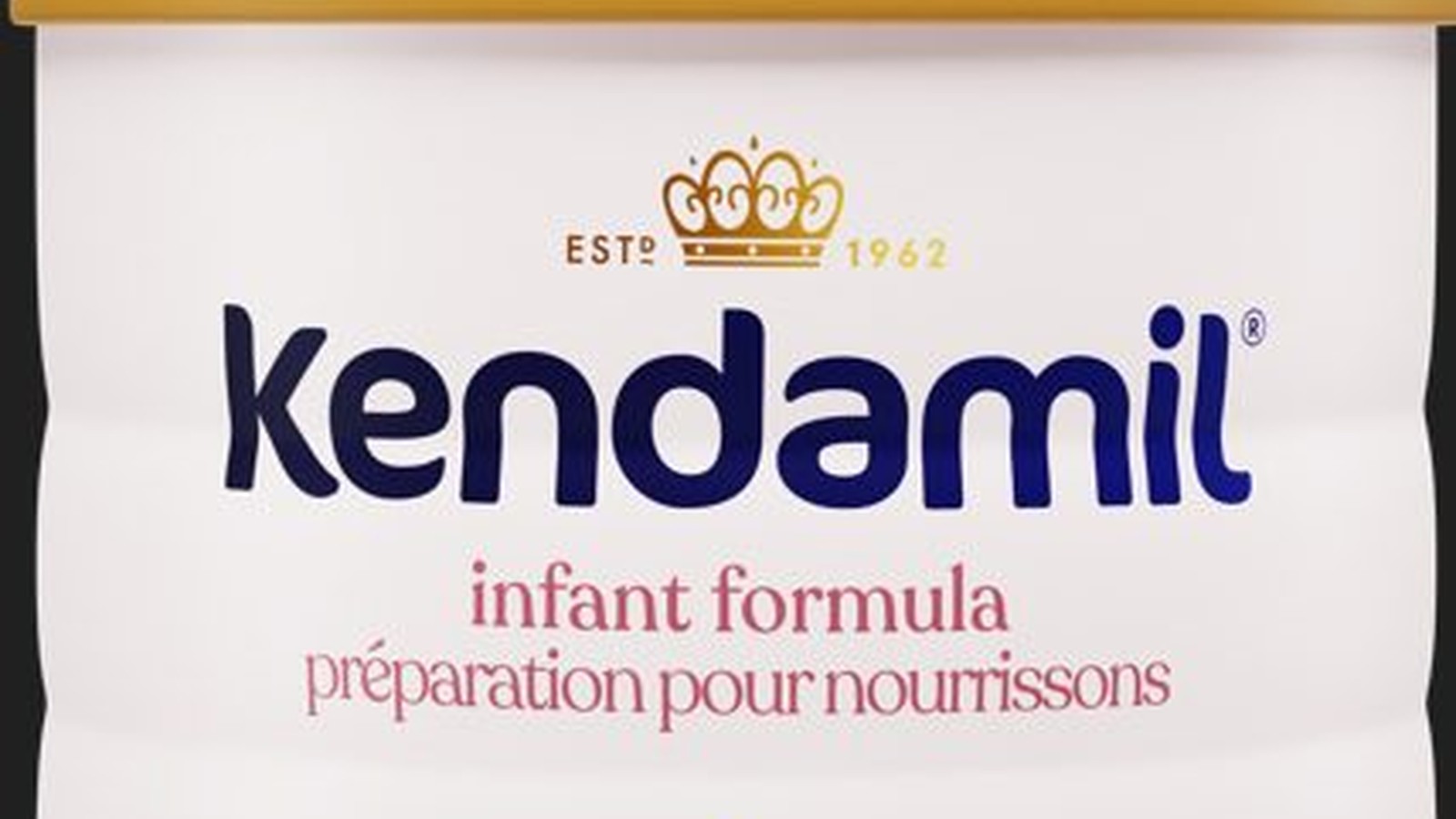
OTTAWA (Azat TV) – The Canadian Food Inspection Agency (CFIA) has issued a national recall for specific batches of Kendamil infant formula sold at Costco warehouses and online across Canada, citing concerns over the possible presence of cereulide toxin. This precautionary measure, announced on February 22, 2026, aims to safeguard infant health, although no illnesses have been reported in Canada to date.
The recall highlights Canada’s stringent regulatory approach to infant nutrition, as the move was triggered by related information from another country and applies a stricter domestic safety benchmark than certain international guidelines. The affected product, Kendamil Infant Formula with whole milk, was manufactured in May 2025 and is identified by specific lot numbers.
Kendamil Recall Details and Affected Batches
The recall specifically targets one-kilogram tins of Kendamil infant formula labeled “with whole milk.” The affected lot numbers are 897274 and 888632, both produced in May 2025. These codes are printed on the base of the tin. Only these two specific batches are included in the recall; other Kendamil products or different production runs are not affected.
The CFIA confirmed that Costco has already removed the identified tins from its shelves. Consumers who have purchased these specific batches are advised to discontinue use immediately. Standard recall procedures, including product returns and refunds, are expected to be available at the point of purchase, typically Costco warehouses.
While the company, Kendal Nutricare, stated that their products were sold exclusively at Costco in Canada, recall information from Amazon.ca also listed the product. An Amazon spokesperson confirmed that the company conducts internal reviews and notifies customers who purchased recalled products if identified as sold through their platform.
Understanding Cereulide Toxin and Health Risks
Cereulide is a heat-resistant toxin produced by some strains of the bacterium Bacillus cereus. It is known for causing rapid-onset gastrointestinal symptoms, primarily nausea and vomiting, which typically begin shortly after ingestion. A significant concern for regulators is that cereulide is not destroyed by heat, meaning standard preparation methods for infant formula would not neutralize the toxin.
Infant formula products are subject to especially rigorous safety standards due to the vulnerability of infants. The CFIA emphasized that despite no reported illnesses in Canada, this recall is a precautionary measure, reflecting Canada’s conservative regulatory posture in situations involving potential contamination of infant nutrition.
Regulatory Standards and Manufacturer’s Response
Kendal Nutricare, the European manufacturer of Kendamil, acknowledged the recall, attributing the potential issue to a temporary supply disruption. The company stated that during this period, an alternative arachidonic acid oil supplier was used for two production batches destined for Costco Canada. Arachidonic acid oil is an ingredient used as a source of Omega-6 in infant formula.
The manufacturer asserted that testing showed the affected batches meet European guidance levels for cereulide. However, Health Canada applies a different, often stricter, regulatory benchmark. This difference prompted the precautionary withdrawal in Canada, despite the product’s compliance with certain international standards. This situation underscores the complexities multinational producers face when navigating varied national safety standards, particularly during ingredient substitutions.
Broader Implications for Infant Formula Supply Chains
This recall occurs amidst heightened global scrutiny of infant formula supply chains, which have experienced disruptions in recent years due to ingredient sourcing challenges and differing regulatory frameworks across jurisdictions. The incident highlights the critical role of robust oversight and the proactive nature of Canada’s food safety system.
Canadian authorities maintain some of the strictest oversight requirements for infant formula, demonstrating a lower tolerance threshold for potential contaminants compared to some international counterparts. The swift action by the CFIA, in collaboration with retailers and manufacturers, aims to mitigate potential health risks before confirmed impacts emerge, reinforcing public trust in food safety protocols.
The proactive recall of Kendamil infant formula by Canadian authorities, despite the manufacturer’s assertion of compliance with European standards, underscores the nation’s unwavering commitment to infant safety and its distinct, highly precautionary regulatory framework. This incident serves as a significant reminder of the ongoing challenges in global supply chain management and the critical importance of national sovereignty in setting and enforcing public health benchmarks for vulnerable populations.