
Quick Read
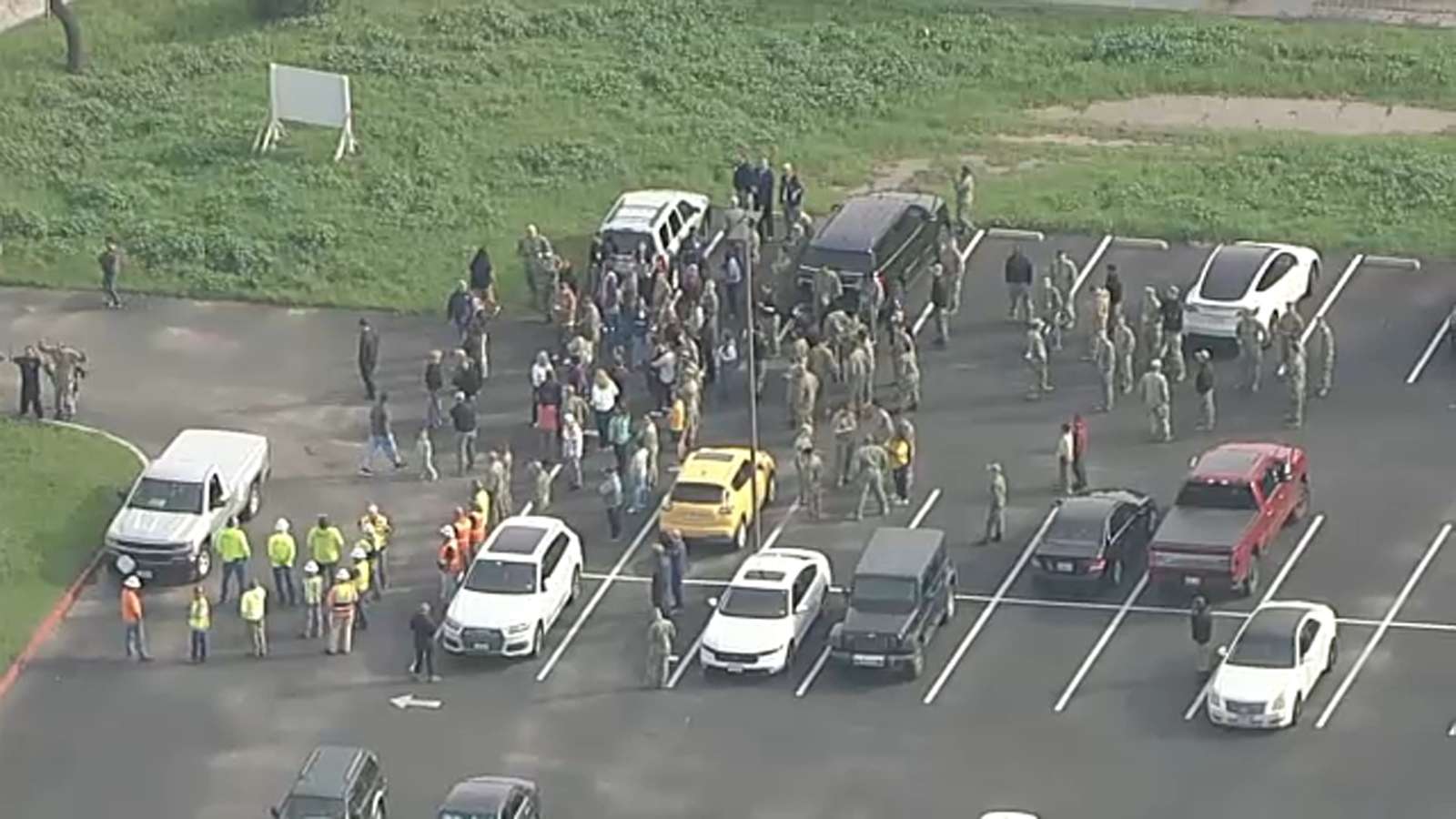
- Naval Base Ventura County in Port Hueneme was placed on lockdown on January 6, 2026, due to an active shooter report.
- The report of an “active assailant” in a medical building was later determined to be false after a systematic sweep.
- No shooter, victims, injuries, or property damage were found during the investigation.
- The lockdown lasted approximately 45 minutes, with an “all clear” issued around 10:15 a.m. PST.
- An investigation is underway by authorities, including NCIS, to determine if the call was a “swatting” attempt or a misunderstanding.
A morning that began with chilling urgency at Naval Base Ventura County (NBVC) in Port Hueneme quickly transformed into a collective sigh of relief, yet left behind a stark reminder of modern security challenges. On Tuesday, January 6, 2026, the sprawling military installation was plunged into a lockdown following an alarming report of an “active assailant” within a medical building. The incident, which triggered a rapid, multi-agency response, was ultimately declared a false alarm, but not before sending ripples of anxiety through the base personnel and the surrounding communities.
A Morning of High Stakes: The Lockdown Unfolds
The alarm bells rang just before 10 a.m. PST when Ventura County Fire received an emergency call detailing an active shooter situation on the base. This wasn’t just another routine call; the words “active shooter” on a military installation carry an immediate, profound weight, demanding an unequivocal and aggressive response. As per FOXLA, military personnel were immediately ordered to “shelter in place,” a directive that instantly freezes activity and directs everyone to seek secure locations, often behind locked doors and away from windows. Base security, local police, and other emergency responders swiftly converged, establishing a perimeter around the identified medical facility, near the Silver Strand entrance that leads into Oxnard, as noted by KEYT. The air must have been thick with tension, a palpable fear of the unknown gripping those within the base’s confines.
Social media channels quickly became a crucial conduit for official communication, with the Naval Base issuing urgent advisories. One post, captured by ABC7, starkly directed all personnel to “seek shelter in the nearest building and activate lockdown plans until further notice!!” This digital call to action underscored the immediacy and seriousness with which the threat was perceived. For approximately 45 minutes, as reported by ABC7, the base held its breath. Witnesses on base described lights being out in the medical building, an eerie quiet descending where there should have been the usual hum of daily operations. The response was a textbook execution of emergency protocols, designed to contain, assess, and neutralize any potential threat.
The Sweep, The ‘All Clear,’ and The Lingering Questions
The core of the response involved a systematic and meticulous sweep of the medical building and its immediate surroundings. Trained personnel moved methodically, clearing room by room, floor by floor, searching for any evidence of a shooter, victims, or the tell-tale signs of gunfire. The outcome, thankfully, was a relief that resonated across the base: authorities found no evidence of a shooter, no victims, and no indication that any shots had been fired. “ALL CLEAR FROM REPORT OF ACTIVE THREAT. There is no active shooter onboard NBVC Port Hueneme. Force protection has determined the report was false. All gates are now open. LOCKDOWN SECURED,” read a follow-up social media post from the base, signaling the end of the immediate crisis. Around 10:15 a.m., an “all clear” message was broadcast over the naval installation’s public address system, bringing an end to the lockdown, as confirmed by KEYT.
While the immediate danger was averted, the incident left behind a trail of questions. Who made the initial call? Was it a malicious act, a misunderstanding, or something else entirely? Officials confirmed that there were no reports of injuries or property damage, underscoring the fact that the threat was entirely fabricated. However, the resources deployed, the operational disruption, and the psychological toll on those who experienced the lockdown were very real. The Navy confirmed no one was taken into custody immediately, but the person who made the initial call is now in contact with Naval Criminal Investigative Services (NCIS), indicating a serious probe into the incident’s origins.
The Echo of False Alarms: A National Challenge
This incident at Port Hueneme is far from isolated; it echoes a troubling national trend. False active shooter reports, often referred to as “swatting” attempts or stemming from automated system errors, have become an increasing challenge for military installations and civilian facilities nationwide. The term “swatting” refers to the act of making a hoax call to emergency services in an attempt to dispatch a large number of armed police officers (SWAT teams) to a particular address. These malicious acts are not only dangerous but also divert critical resources away from genuine emergencies. In the past, similar hoaxes have triggered lockdowns at nearby facilities such as Ventura College and the Naval Medical Center San Diego, demonstrating the vulnerability of even highly secured locations to such deceptive tactics.
The prevalence of these false alarms creates a difficult dilemma for security forces. On one hand, every report of an active shooter must be treated as credible until proven otherwise, given the potentially catastrophic consequences of inaction. On the other hand, the constant deployment of resources for hoaxes strains budgets, exhausts personnel, and can, over time, lead to a form of vigilance fatigue. The psychological impact on service members, their families, and base employees cannot be overstated; each lockdown, real or false, generates genuine fear, stress, and disruption to daily life. The repeated threat of violence, even if unfounded, contributes to a heightened state of anxiety that can erode morale and trust.
Investigating the Origin: Seeking Answers and Accountability
With the immediate crisis over, the focus shifted to the “what’s next.” An investigation is currently underway to determine the precise origin of the initial report. Authorities are meticulously looking into whether the call was indeed a “swatting” attempt, a deliberate act of harassment or mischief, or simply a profound misunderstanding of a non-threatening situation. The involvement of NCIS signifies the serious nature of this inquiry, as malicious false reports can carry significant legal penalties, especially when they target federal installations. Identifying and prosecuting those responsible is crucial, not only for accountability but also as a deterrent against future such incidents.
The challenges in these investigations are considerable. They involve tracing phone calls, analyzing digital footprints, and interviewing potential witnesses. The goal is to piece together the events leading up to the call and to understand the intent behind it. While no suspects have been publicly identified in connection with this specific false alarm, the commitment to finding answers remains steadfast. This ongoing effort is part of a broader strategy to refine security protocols, improve threat assessment capabilities, and develop better ways to distinguish between genuine threats and malicious hoaxes, ensuring that resources are deployed effectively and lives are protected.
The Port Hueneme incident serves as a stark reminder of the persistent and evolving threat landscape facing military installations. While the swift and professional response of emergency services prevented any actual harm, the event underscores the profound operational and psychological costs associated with false alarms. This growing trend of ‘swatting’ and unverified threats not only diverts critical resources but also forces a constant re-evaluation of security protocols, highlighting an urgent need for advanced detection methods and robust legal frameworks to deter those who would exploit vulnerabilities for malicious purposes.