
Quick Read
- The UN’s IPC has officially declared famine in Gaza, affecting over 514,000 people.
- Israel denies the famine, calling the report ‘modern blood libel,’ while international criticism mounts.
- Humanitarian aid remains blocked, with many children facing acute malnutrition and starvation.
- UN leaders and organizations call the crisis ‘man-made’ and demand immediate intervention.
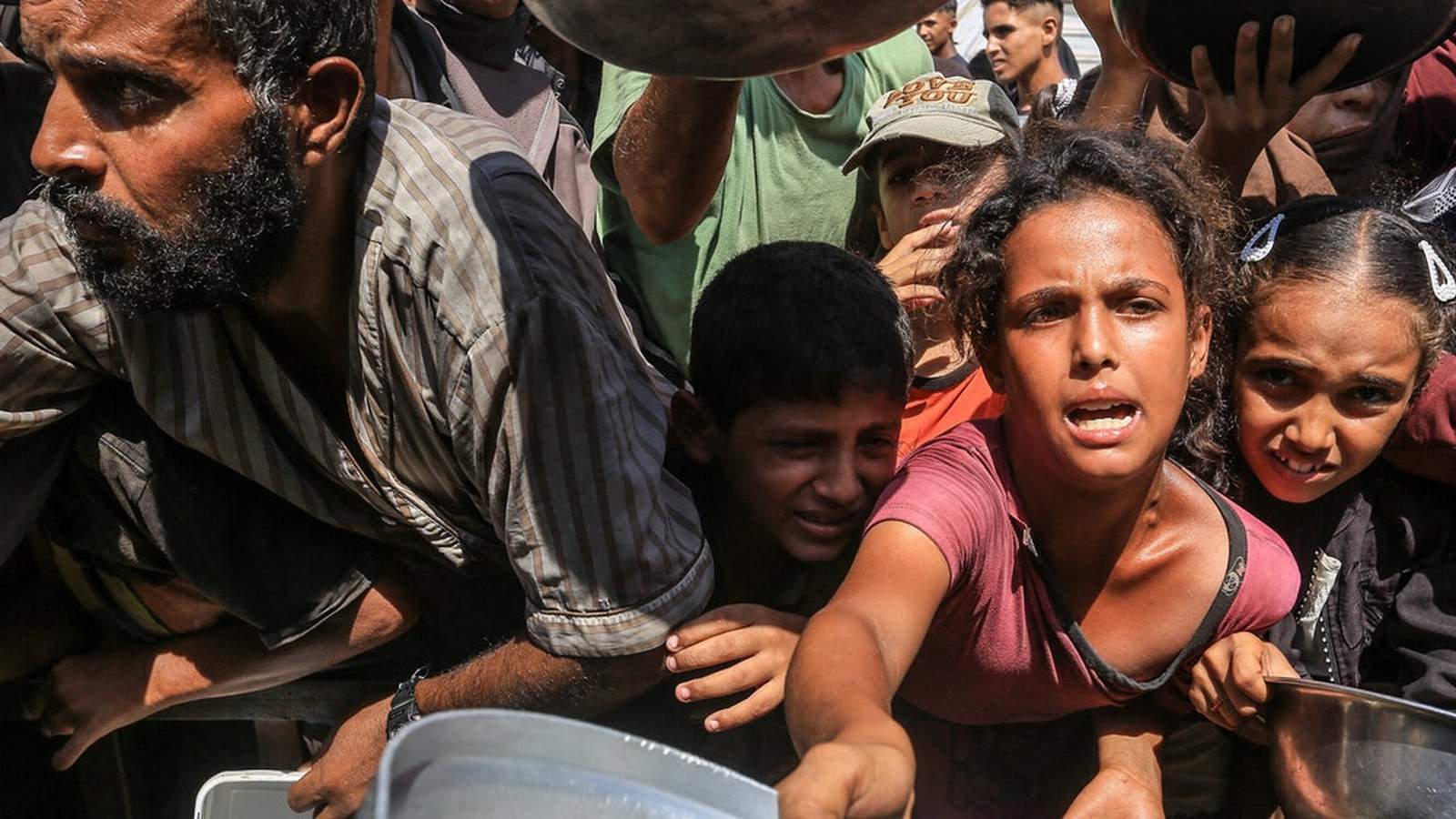
The Gaza Strip, a densely populated enclave of over two million people, is now the epicenter of a catastrophic famine, as confirmed by the Integrated Food Security Phase Classification (IPC) on August 22, 2025. The declaration marks the first famine designation in the Middle East, with over 514,000 people—nearly a quarter of Gaza’s population—already affected. The crisis, described as “man-made,” is a direct result of prolonged Israeli policies, U.S. support, and the ongoing blockade, according to multiple humanitarian organizations.
A Grim Reality: Famine Takes Hold
The IPC, a consortium of 21 United Nations agencies and NGOs, highlighted the dire conditions in Gaza City and neighboring areas, warning that famine could spread further south to Deir al-Balah and Khan Younis by September. According to the IPC report, tens of thousands of children are at risk of acute malnutrition, with projections estimating that at least 132,000 children under five could die from starvation by mid-2026. The report emphasized that “this famine is entirely man-made” and urged immediate international intervention.
UN Secretary-General António Guterres called the situation a “man-made disaster” and reiterated the need for a ceasefire to allow humanitarian aid to reach those in need. “Just when it seems there are no words left to describe the living hell in Gaza, a new one has been added: famine,” he stated. Meanwhile, UN High Commissioner for Human Rights Volker Türk denounced the famine as a potential war crime, citing starvation as a method of warfare.
Despite these alarming findings, Israel has vehemently denied the famine declaration. Prime Minister Benjamin Netanyahu dismissed the report as “modern blood libel,” accusing the IPC of relying on data from Hamas-linked sources. The Israeli Foreign Ministry also claimed that sufficient food supplies are available in Gaza and blamed Hamas for allegedly stealing aid. However, these assertions have been widely criticized by international organizations, including Oxfam, which has $2.5 million worth of aid stuck in warehouses near Gaza due to Israeli restrictions.
Human Stories Amid the Crisis
For residents of Gaza, the famine is not just a statistic; it is a daily struggle for survival. Islam Umm Amar, a 32-year-old mother of three, shared her harrowing experience with El País. “Bread and hummus for breakfast and dinner, if we’re lucky. My children have never tasted fresh fruit or sweets,” she lamented. Her youngest child, born at the end of 2023, has only known a life of deprivation.
Another resident, Dima al-Batsh, described serving her teenage children thin lentil soup while keeping a backpack of canned goods ready in case they need to flee. “My children beg me to buy something tasty, but there’s nothing I can do,” she said. Such stories paint a grim picture of life in Gaza, where even basic necessities like clean water and medical supplies are scarce.
International Reactions and Challenges
The famine declaration has drawn mixed reactions globally. European nations, including Britain and France, have condemned Israel’s actions, with British Foreign Minister David Lammy calling it a “moral outrage.” However, the United States, Israel’s closest ally, has largely remained silent. U.S. Ambassador to Israel Mike Huckabee echoed Netanyahu’s criticisms, claiming on social media that “Hamas savages stole the aid.”
Humanitarian organizations and UN agencies have repeatedly urged the U.S. to use its influence to pressure Israel into lifting the blockade and allowing unhindered aid access. Scott Paul, director of peace and security at Oxfam America, criticized the U.S. for enabling the crisis. “The United States has made this famine possible, supplying arms, funding, and political cover at every step,” he said, calling for an immediate ceasefire and suspension of offensive arms sales to Israel.
Meanwhile, the Israeli government has touted its own aid initiative, the Gaza Humanitarian Foundation (GHF), as evidence of its commitment to alleviating the crisis. However, critics argue that the GHF’s efforts are insufficient and often inaccessible to those in need. Reports indicate that only a fraction of aid trucks have reached their intended destinations, with many distribution points targeted by ongoing military operations.
The Path Forward
The humanitarian crisis in Gaza is further exacerbated by the Israeli military’s preparations for a full-scale assault on Gaza City. Such an operation could displace hundreds of thousands more people, deepening the already dire situation. Aid agencies warn that without immediate intervention, the famine will escalate, leading to more preventable deaths.
The international community faces a critical test in responding to this crisis. As António Guterres stated, “The time for debate and hesitation has passed. Starvation is present and rapidly spreading.” The need for coordinated global action has never been more urgent, yet political divisions and conflicting narratives continue to hinder progress.
The unfolding tragedy in Gaza is a stark reminder of the devastating human cost of conflict and political impasse. Lives hang in the balance, and the world must act before it is too late.