
Quick Read
- The IEA estimates a daily loss of 11 million barrels of oil due to the conflict, exceeding the impact of 1970s energy shocks.
- Strategic reserves have been tapped for 400 million barrels to stabilize markets, though the agency warns this is a temporary palliative.
- Damage to at least 40 energy assets in the Gulf ensures that supply chain disruptions will persist even if hostilities cease immediately.
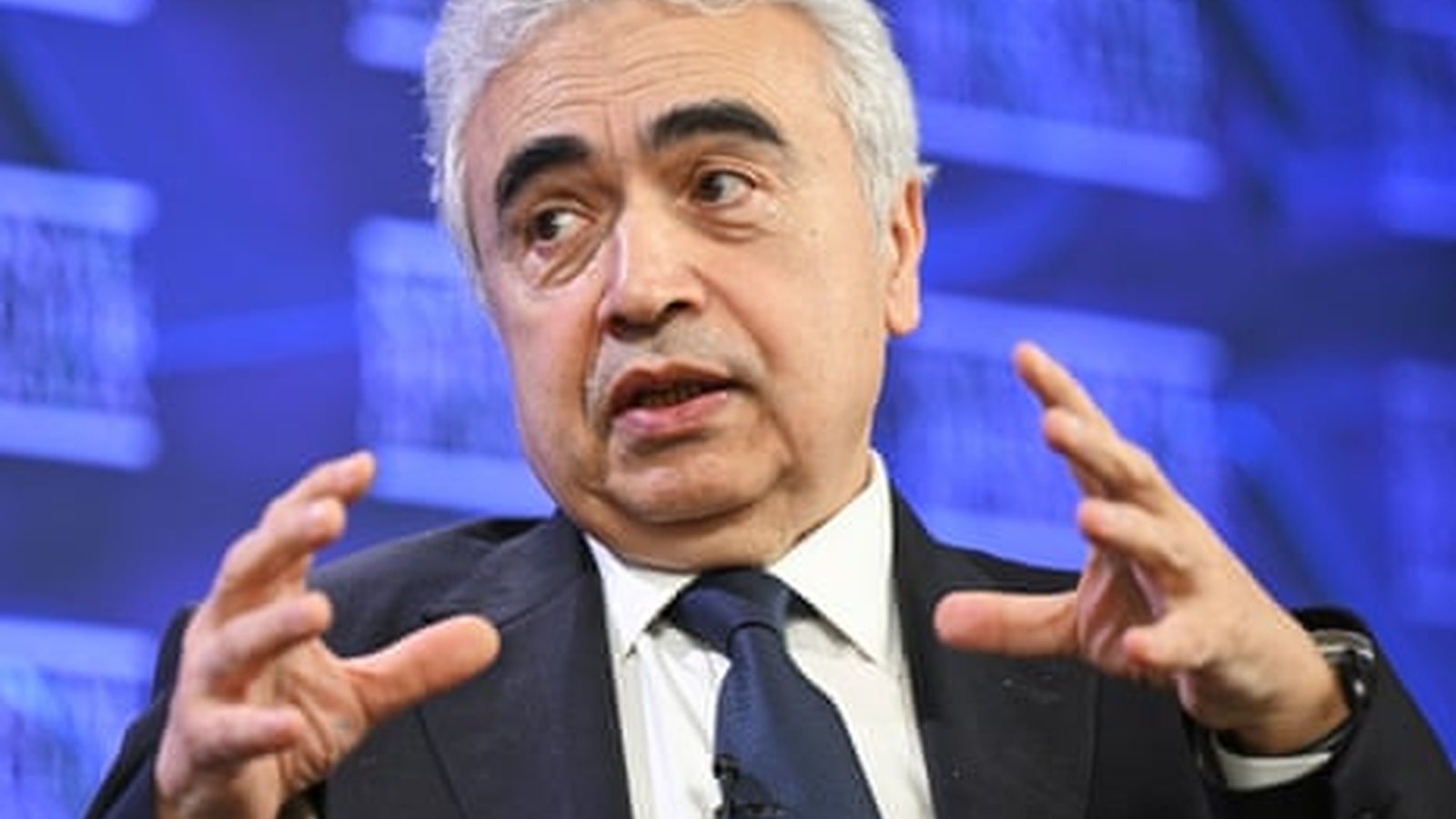
CANBERRA (Azat TV) – The global economy is confronting a crisis of unprecedented scale, according to Fatih Birol, Executive Director of the International Energy Agency (IEA). As of March 23, 2026, the ongoing conflict between the United States, Israel, and Iran has resulted in the loss of 11 million barrels of oil per day and approximately 140 billion cubic meters of natural gas, creating a supply shortfall that the IEA chief equates to the combined weight of the 1970s twin oil shocks and the market disruptions following the 2022 invasion of Ukraine.
Strait of Hormuz closure chokes global energy supply
The severity of the current situation is largely driven by the closure of the Strait of Hormuz, a critical maritime artery through which roughly 20% of the world’s oil supply typically flows. Following weeks of hostilities, the situation escalated after strikes on Iranian infrastructure and subsequent retaliatory threats against Gulf energy and desalination facilities. Birol confirmed that at least 40 energy assets across the Gulf region have sustained severe damage, meaning that even a cessation of hostilities would not lead to an immediate restoration of supply chains. The IEA has noted that the current crisis has severely impacted the Asia-Pacific region, with global markets grappling with shortages in essential commodities, including petrochemicals, fertilizers, and sulfur.
IEA emergency measures and market stability
In response to the tightening supply, the IEA has already executed the largest emergency intervention in its history, releasing 400 million barrels of oil from strategic reserves on March 11. Despite this, Birol emphasized that such releases serve only to mitigate economic pain rather than solve the underlying structural crisis. The agency is currently consulting with leaders across North America, Europe, and Asia regarding the potential for further emergency releases. While Birol declined to define the specific conditions that would trigger additional action, he maintained that the agency remains prepared to intervene if the market situation continues to deteriorate.
Demand-side interventions in an evolving crisis
To manage the immediate shortfall, the IEA has actively encouraged member states to implement demand-side measures. These recommendations include increasing remote work arrangements, reducing speed limits on highways to conserve fuel, and curtailing non-essential air travel. Birol warned that no nation remains immune to the economic consequences of the current trajectory, noting that defensive hoarding of fuel supplies by individual nations could further complicate global recovery efforts. With a 48-hour ultimatum issued by U.S. President Donald Trump for the reopening of the Strait of Hormuz set to expire, international observers remain focused on the potential for further escalation in the region.
The scale of the current energy disruption suggests that traditional market mechanisms may be insufficient to maintain stability, signaling a transition toward a wartime energy economy where state-directed demand management and strategic reserve manipulation become the primary tools for preventing systemic economic failure.