
Quick Read
- Around 20 FBI agents were fired for kneeling during 2020 George Floyd protests.
- The firings were tied to violations of agency neutrality policies during official duties.
- Civil rights groups and lawmakers have criticized the dismissals as a threat to free expression.
- The FBI has not disclosed further disciplinary plans or detailed reasoning.
- The case has sparked national debate on the boundaries of employee expression in federal service.
FBI Agents Fired for Kneeling During George Floyd Protests: What Happened?
In a move that has reverberated through law enforcement and political circles, the FBI has dismissed roughly 20 agents who were photographed kneeling during the 2020 protests sparked by the killing of George Floyd. This decision, announced in September 2025, draws a clear line in the sand regarding what the Bureau sees as acceptable conduct for its personnel—especially when it comes to the intersection of personal expression and professional duty.
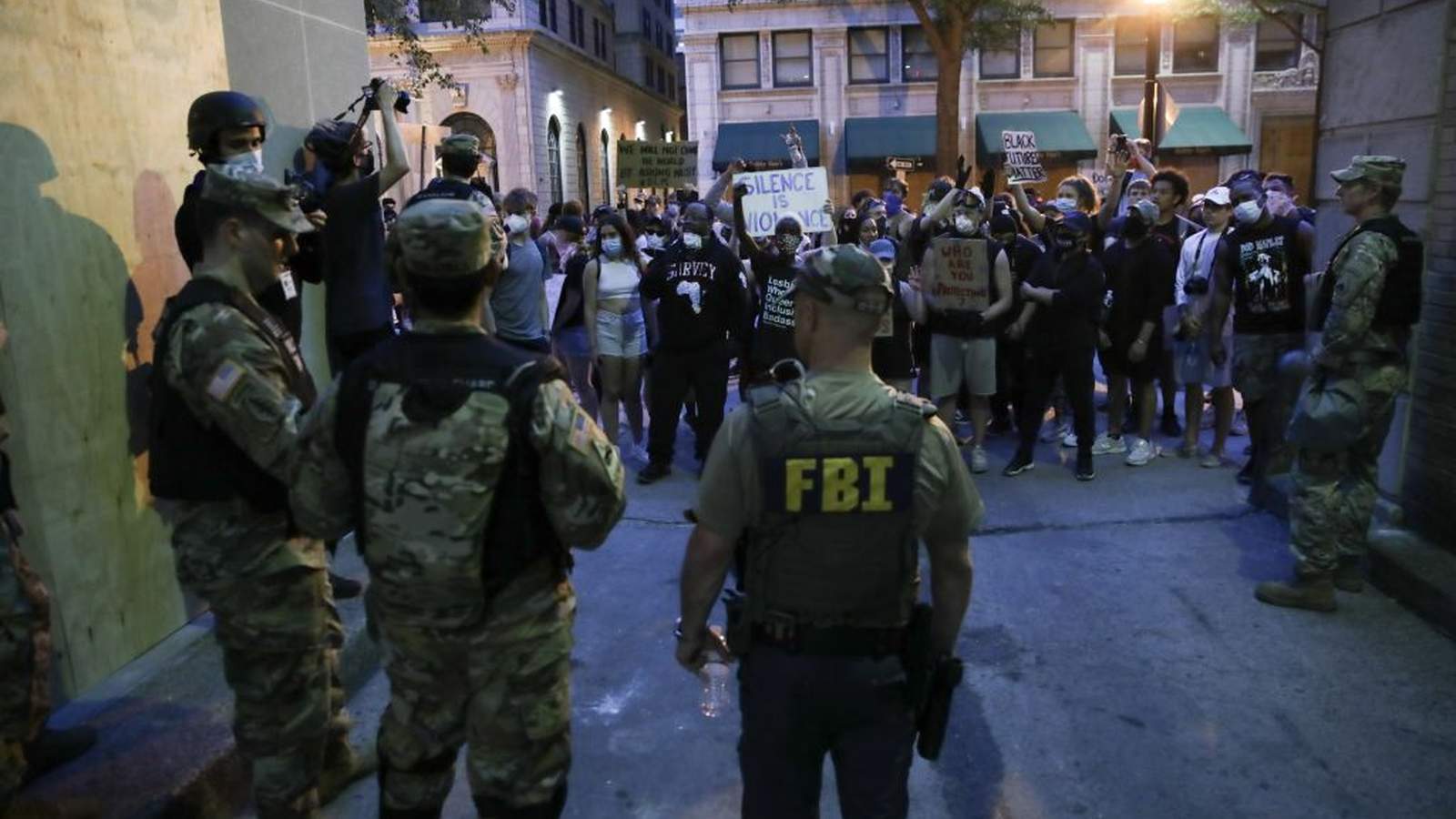
These agents, stationed across multiple field offices, were seen kneeling during demonstrations—some in acts of solidarity, others in moments of reflection. For many Americans, kneeling became an emblematic gesture during the summer of 2020, representing a call for justice and a stand against systemic racism. Within the FBI, however, the gesture was interpreted as a breach of the agency’s strict code of political neutrality, particularly while in uniform or on duty.
Agency Neutrality Versus Freedom of Expression: The Core Conflict
According to statements from FBI officials and reporting by Salon, the dismissals were not about the agents’ personal beliefs, but about conduct during official duties. The Bureau’s internal guidelines demand impartiality—not just in investigative work, but in public conduct as well. The rationale, as described by senior officials, is to prevent any perception of bias that could undermine public trust in the FBI’s objectivity.
Yet, the firings have provoked a heated debate. Civil rights groups argue that kneeling during the protests was a nonviolent, constitutionally protected act of expression—hardly the kind of behavior that should cost someone their career. Some members of Congress have echoed this sentiment, insisting that the agents’ actions did not constitute a breach of their oath to uphold the law. Instead, they see the dismissals as a chilling message about the cost of conscience in federal service.
Critics from within law enforcement, however, maintain that the Bureau’s decision was justified. For them, any deviation from strict neutrality risks eroding public confidence, especially at a time when the FBI faces scrutiny over its involvement in politically sensitive investigations. The tension between these perspectives is palpable, mirroring broader national debates about the role of law enforcement in society and the boundaries of personal expression.
Inside the FBI’s Decision: Policy, Precedent, and Process
The process leading up to the dismissals was anything but transparent. Earlier in 2025, the agents had been reassigned to other duties as the Bureau conducted internal investigations. The FBI Agents Association, in a statement released on September 10, warned that the classified nature of these investigations—and the wide discretion afforded to federal law enforcement leadership—meant agents had few avenues for appeal.
The Bureau has a long history of enforcing its standards of professional conduct. Still, the specifics of this case remain largely under wraps. The FBI has not revealed whether additional disciplinary actions are forthcoming, nor has it detailed the reasoning behind each individual dismissal. For many observers, this opacity only deepens the controversy, fueling suspicions about the agency’s internal culture and priorities.
One thing is clear: the firings have already set a precedent, one likely to influence future debates about employee expression in federal service. As the FBI continues to navigate the complex legacy of its response to the 2020 protests, the question of where to draw the line between personal conscience and professional obligation remains far from settled.
Public Response and Political Fallout
The reaction to the FBI’s decision has been swift and polarized. Civil liberties organizations have condemned the firings as an affront to free speech, urging federal agencies to reconsider policies that penalize nonviolent protest. Some lawmakers have called for congressional hearings to investigate the Bureau’s handling of the matter, arguing that transparency and accountability are essential in maintaining public trust.
On the other side, supporters of the Bureau’s actions argue that law enforcement officers must remain above the fray, especially in times of national unrest. For them, gestures like kneeling—even if well-intentioned—risk aligning the agency with specific political movements, undermining its mandate to serve all citizens equally.
This debate is unfolding against a backdrop of heightened scrutiny of the FBI. The agency has faced criticism for its role in politically charged investigations, from raids on high-profile figures to internal purges. The firings have thus become part of a larger conversation about the balance between civil liberties and institutional integrity in federal law enforcement.
The Legacy of the George Floyd Protests in Federal Service
The George Floyd protests were a watershed moment for American society, prompting widespread reflection on issues of race, justice, and the role of law enforcement. For federal agencies like the FBI, these events posed difficult questions: How should personnel respond to calls for social justice? What boundaries must be maintained to ensure impartiality? And, perhaps most importantly, how can agencies foster a culture that respects both professional standards and the rights of individual employees?
As the Bureau moves forward, the dismissals of these agents serve as a reminder of the challenges inherent in balancing these competing imperatives. The story does not end with the firings; rather, it marks the beginning of an ongoing conversation about the values that should define federal service in a changing America.
In the coming months, attention will likely turn to the broader implications of the FBI’s decision. Will other federal agencies follow suit? Will Congress intervene to clarify the rules governing employee expression? And how will the public’s perception of law enforcement evolve in light of these events?
The firings of FBI agents for kneeling during the George Floyd protests reveal a profound tension at the heart of American federal service: the constant push and pull between personal conviction and institutional neutrality. As the nation continues to grapple with questions of justice and identity, the Bureau’s actions are a stark reminder that the boundaries of expression—especially in the halls of power—are far from settled.