
Quick Read
- FDA approved updated COVID vaccines for high-risk groups.
- Emergency use authorizations for vaccines have been revoked.
- HHS Secretary RFK Jr. implements sweeping vaccine policy changes.
- Critics warn of reduced vaccine access and potential disease outbreaks.
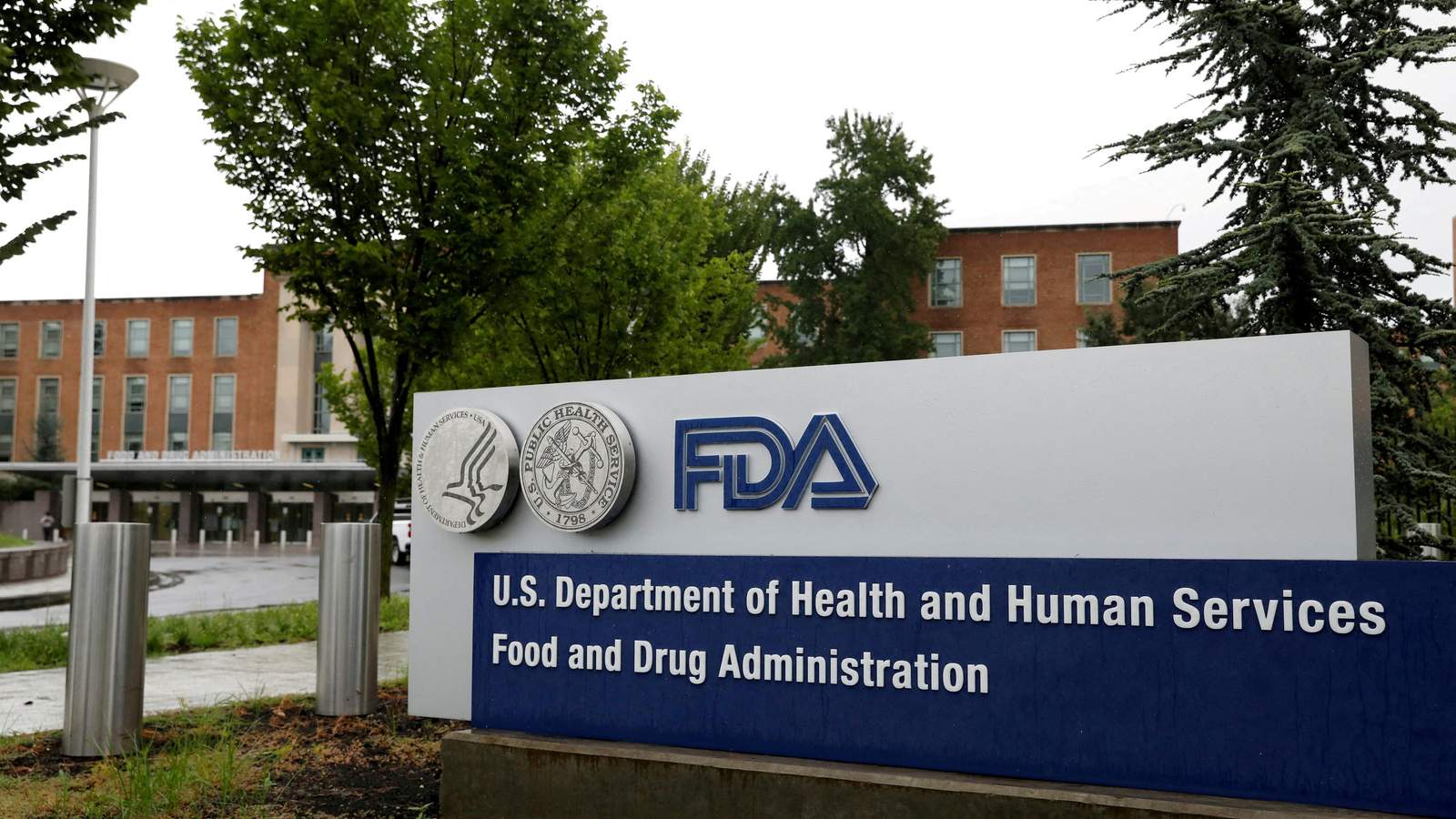
The Food and Drug Administration (FDA) announced on August 27, 2025, that updated COVID-19 vaccines from Moderna, Pfizer, and Novavax have been approved, but with significant restrictions on eligibility. This decision, spearheaded by Health and Human Services (HHS) Secretary Robert F. Kennedy Jr., represents a marked shift in U.S. vaccine policy, stirring both praise and concern among experts and the public alike.
Who Can Access the Updated COVID Vaccines?
Under the new policy, COVID vaccines are approved for individuals aged 65 and older, as well as children and adults with at least one underlying medical condition that increases their risk of severe illness. Kennedy emphasized that the decision fulfills a campaign promise to reverse pandemic-era mandates while ensuring vaccines remain available for vulnerable populations. “These vaccines are available for all patients who choose them after consulting with their doctors,” Kennedy stated on the social media platform X (formerly Twitter).
Notably, the FDA’s decision also terminated emergency use authorizations for COVID vaccines, which had previously allowed broader access. According to NBC News, this could make vaccines harder to obtain for certain groups, such as children under 5, who are not explicitly covered by the new approvals. Additionally, insurance coverage for vaccines may become more restrictive, potentially leaving some Americans to pay out-of-pocket costs as high as $140 per dose.
Shifting Vaccine Policy Under RFK Jr.’s Leadership
This latest FDA decision is part of a broader overhaul of U.S. vaccine policy under Kennedy’s tenure as HHS Secretary. Since taking office earlier this year, Kennedy has made sweeping changes to federal health agencies, including firing all 17 members of the CDC’s Advisory Committee for Immunization Practices (ACIP) in June. The newly appointed ACIP members include individuals with a history of vaccine skepticism, raising concerns among public health experts about the potential impact on vaccine recommendations.
As reported by Axios, Kennedy has also reduced funding for mRNA vaccine research, redirecting $500 million toward developing what he describes as “safer, broader vaccine platforms.” This move has drawn criticism from scientists who argue that mRNA vaccines have been proven safe and effective and that cutting-edge research is vital for preparing for future pandemics.
Public Health Experts Express Concerns
While Kennedy’s actions aim to restore public trust in vaccine science, critics warn that the new restrictions could lead to a less vaccinated population and increased risks of disease outbreaks. Michael Osterholm, director of the Center for Infectious Disease Research and Policy at the University of Minnesota, told Stat News, “I see a potential here for the dramatic reduction in vaccine access for this country.” He and others fear that the changes may usher in an era where vaccines are less available, less affordable, and subject to greater public skepticism.
Additionally, major medical organizations have begun issuing their own vaccine recommendations, diverging from the CDC’s guidance under Kennedy. For instance, the American College of Obstetricians and Gynecologists recently recommended COVID, flu, and RSV vaccines for pregnant women, despite the CDC no longer including COVID shots for this group in its immunization schedule.
Implications for the Future
The implications of Kennedy’s policy changes extend beyond COVID-19. His administration has also taken steps to overhaul the Vaccine Injury Compensation Program and plans to investigate the root causes of autism, despite extensive research showing no link between vaccines and autism. Public health experts worry that these actions could erode trust in vaccines more broadly, potentially reversing decades of progress in combating preventable diseases.
On the other hand, Kennedy’s supporters argue that his policies prioritize individual choice and transparency, addressing longstanding concerns about vaccine safety and oversight. “In just six months, Secretary Kennedy has taken bold, thoughtful steps to restore trust in public health and put families at the center of our decision-making,” said HHS spokesperson Andrew Nixon.
The debate over Kennedy’s vaccine policies highlights a broader struggle to balance public health priorities with individual freedoms. As the U.S. enters a new phase of its pandemic response, the long-term effects of these decisions remain to be seen.