


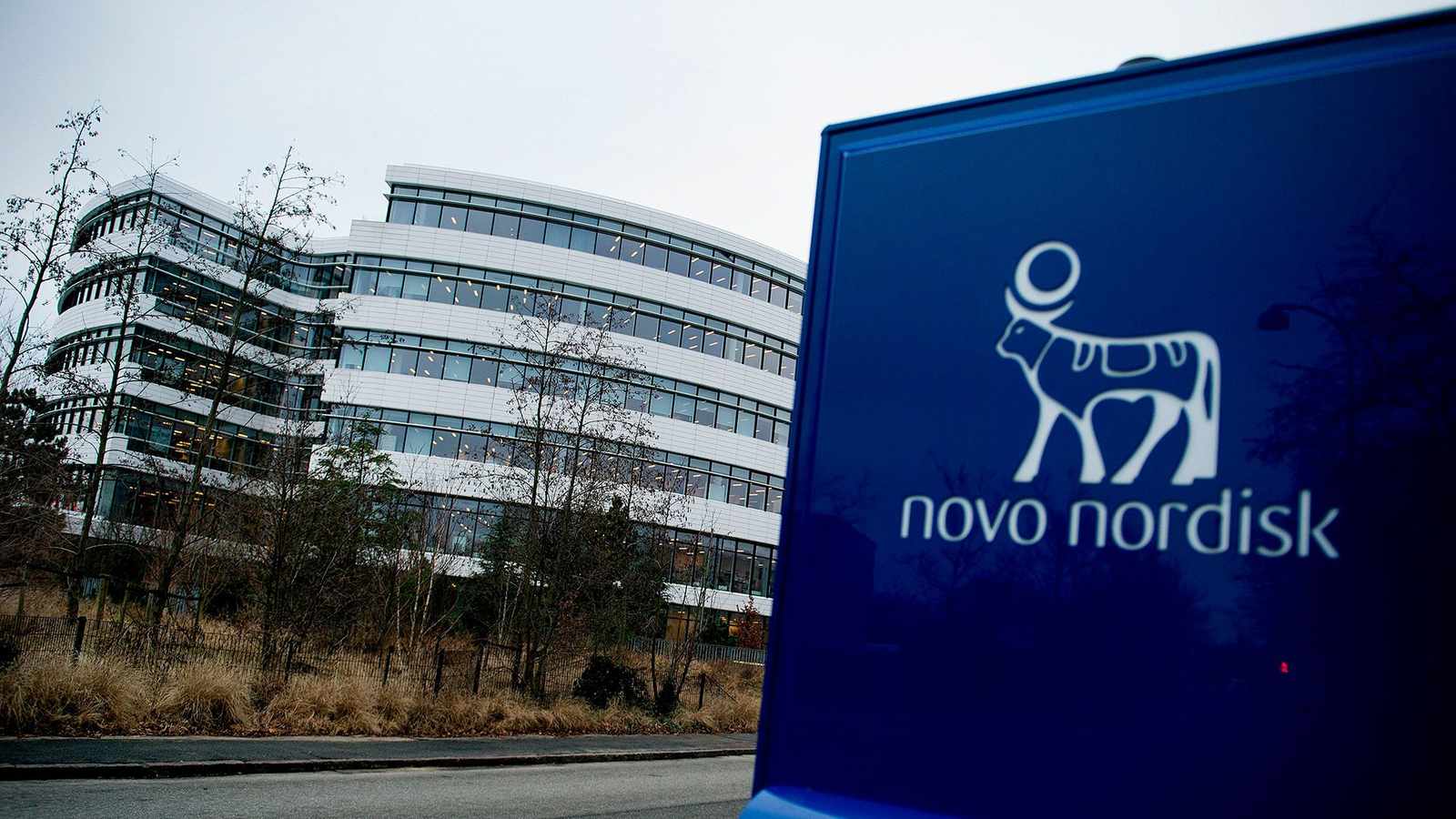
ATHLONE (Azat TV) – Novo Nordisk, a global healthcare leader, announced a significant €432 million ($506 million) investment in its Athlone, Ireland facility on March 2, 2026, to dramatically scale the production of oral glucagon-like peptide-1 (GLP-1) medications. This strategic expansion aims to bolster the company’s capacity to meet growing global demand for chronic disease treatments, even as it faces escalating competition and recent clinical setbacks in the highly scrutinized GLP-1 market.
Expanding Global Oral GLP-1 Production
The substantial capital investment will transform an existing 45-acre site in Athlone into a high-volume manufacturing hub for oral GLP-1 tablets. With phased completion expected between late 2027 and 2028, this initiative is a critical component of Novo Nordisk’s broader strategy to ensure a stable and scalable supply of oral medications for international markets, excluding the U.S. The company emphasized its long-term commitment to Ireland, highlighting the site’s 260 employees and the integration of environmental sustainability and operational efficiency in the expansion plans.
Kasper Bødker Mejlvang, Executive Vice President of CMC & Product Supply at Novo Nordisk, underscored the importance of the Athlone facility. In a press release, Mejlvang stated, “With the investment in the Athlone facility, Novo Nordisk is expanding its production capacities for oral products, which will strengthen our ability to meet both current and future demand, outside the US.” He further noted that this investment represents a “historic milestone” for the company in Ireland, reinforcing its dedication to delivering scientific breakthroughs to millions of patients worldwide who live with serious chronic diseases.
Innovation in Oral Biologics and Strategic Partnerships
Beyond expanding physical manufacturing capacity, Novo Nordisk is also investing heavily in the next generation of oral therapies. The company recently entered a strategic partnership with Vivtex, announced on February 25, 2026, to develop novel oral biologics. This collaboration addresses the long-standing challenge of limited gastrointestinal absorption for peptide and protein therapeutics, which traditionally necessitates injectable administration. Vivtex’s innovative approach utilizes a robotics-driven platform and a proprietary high-throughput screening system—dubbed a ‘gastrointestinal tract on a chip’—to accurately simulate human intestinal absorption.
Thomas von Erlach, CEO and co-founder of Vivtex, highlighted the difficulty of making biologics oral, a challenge this partnership seeks to overcome through computational modeling and artificial intelligence. Brian Vandahl, Senior Vice President of Therapeutics Discovery at Novo Nordisk, noted the company’s long history in protein and peptide engineering and its pioneering role in oral peptide formulations, including the launch of the first-ever oral biologic for obesity. The partnership aims to expand the availability of oral treatments for obesity, diabetes, and related comorbidities, with Vivtex eligible for up to $2.1 billion in payments plus royalties, reflecting the significant investment in transitioning biologics from injections to tablets.
Navigating a Challenging Competitive Landscape
Despite these forward-looking investments, Novo Nordisk is simultaneously navigating an increasingly fierce competitive landscape. The company’s shares plunged recently following clinical trial results that favored rival Eli Lilly. In the 84-week, phase III REDEFINE 4 study, Eli Lilly’s Zepbound (tirzepatide injection) 15 mg outperformed Novo Nordisk’s lead next-generation obesity treatment candidate, CagriSema (cagrilintide 2.4 mg/semaglutide 2.4 mg), in weight loss efficacy. Zepbound achieved 25.5% weight loss compared to 23% with CagriSema, causing CagriSema to miss its primary endpoint of non-inferiority.
Adding to these challenges, Eli Lilly’s oral GLP-1 candidate, orforglipron, demonstrated superior glycemic control and weight loss compared to Novo Nordisk’s Rybelsus (oral semaglutide) in the head-to-head phase III ACHIEVE-3 study for type II diabetes. Orforglipron also offers the convenience of no food or water timing restrictions, potentially giving it a practical edge. These outcomes have reinforced Eli Lilly’s momentum in the cardiometabolic market, prompting significant investor concern about Novo Nordisk’s future market share.
Corporate Responsibility and Market Dynamics
In response to market dynamics and pressure, Novo Nordisk has also announced plans to implement steep U.S. list price cuts for its three largest revenue drivers—Wegovy, Ozempic, and Rybelsus—beginning in January 2027. Prices are expected to be lowered to $675 per month, a move aimed at expanding patient access and addressing affordability barriers, though it risks compressing the company’s margins. These drugs generated combined sales of $36.5 billion in 2025, accounting for approximately 56% of Novo Nordisk’s total revenues.
Furthermore, Novo Nordisk has taken legal action against companies like Hims & Hers Health for allegedly selling unauthorized, compounded versions of its popular drugs, which the company states infringe on its patents. This action underscores Novo Nordisk’s commitment to protecting its intellectual property and ensuring patient safety by combating the sale of unapproved medications. The combined impact of clinical trial results, pricing adjustments, and competitive pressures has seen Novo Nordisk’s stock underperform the industry, highlighting the complex challenges facing pharmaceutical innovators in the chronic disease space.
Novo Nordisk’s dual strategy of aggressive investment in manufacturing and cutting-edge R&D, coupled with proactive measures to enhance drug accessibility and protect its innovations, reflects a determined effort to maintain its leadership in chronic disease management amidst an intensely competitive and evolving pharmaceutical landscape.