
Quick Read
- Over 1 million bags of shredded cheese from Great Lakes Cheese Co. recalled due to possible metal fragments.
- Products were sold at Walmart, Publix, Aldi, Target, and other major retailers across 31 states and Puerto Rico.
- The FDA classified the recall as Class II, meaning temporary or medically reversible adverse health effects are possible.
- Affected products have sell-by dates from January to late March 2026.
- Consumers are advised to return or discard recalled cheese for a full refund.
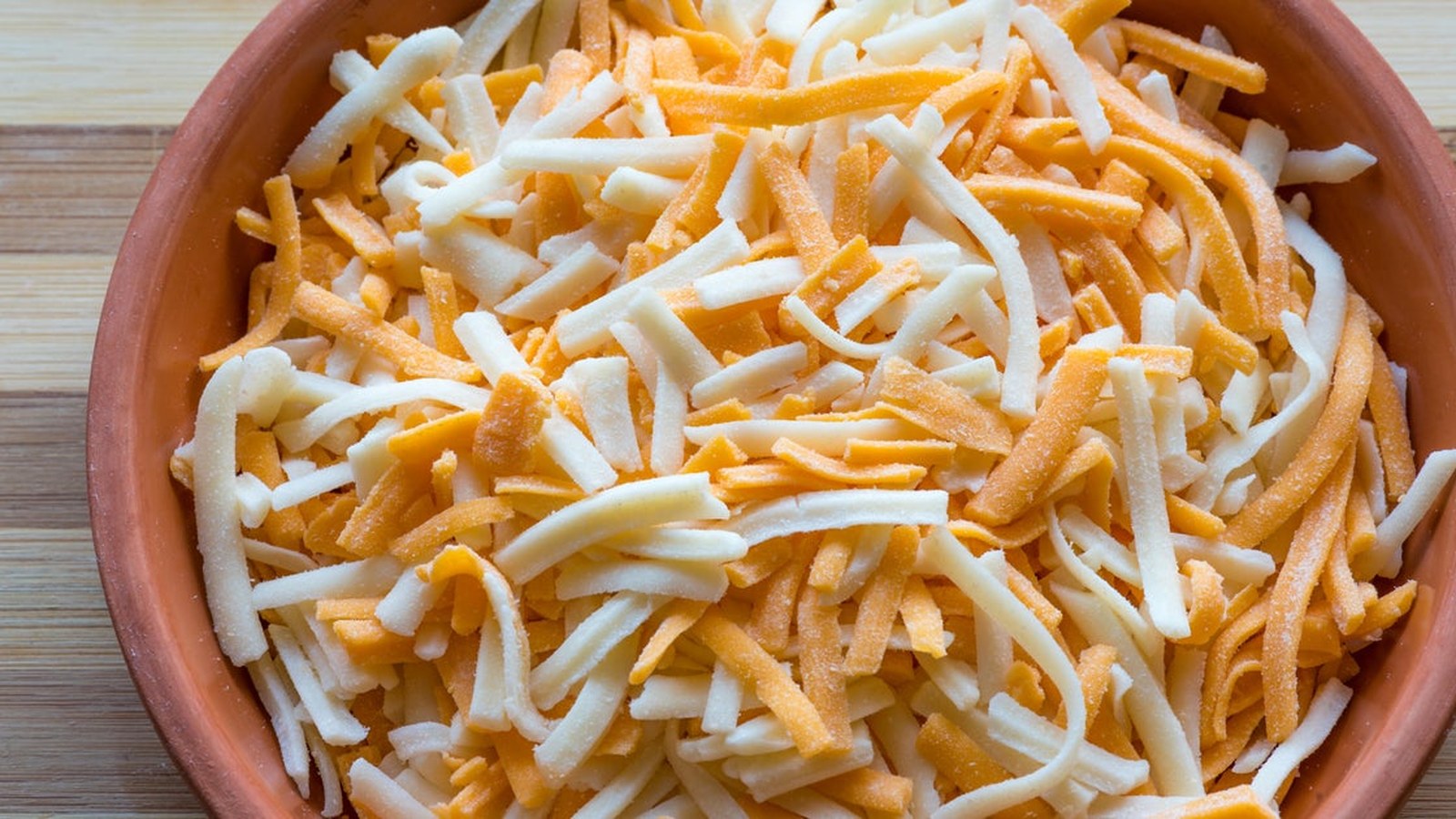
In a sweeping move that has rippled across grocery aisles nationwide, the U.S. Food & Drug Administration (FDA) announced the recall of more than one million bags of shredded cheese from major retailers, including Walmart, Publix, Aldi, and Target. The culprit? Potential contamination with metal fragments—an unsettling prospect for anyone who enjoys a sprinkle of cheese on their pizza or salad.
The recalled products, manufactured by Ohio-based Great Lakes Cheese Co., were distributed to stores in 31 states and Puerto Rico. According to CBS News, nearly 236,000 cases of low-moisture part-skim mozzarella shredded cheese form the bulk of the recall, with additional thousands of cases covering Italian-style blends, pizza-style mixes, and combinations of mozzarella and provolone. The brands impacted are a veritable who’s who of the cheese aisle: Great Value (Walmart), Good & Gather (Target), Happy Farms (Aldi), Borden, Brookshire’s, Food Club, Publix, and many more.
The FDA classified this as a Class II recall. In the regulatory world, that means the product could cause temporary or medically reversible adverse health consequences, but the risk of serious injury is considered remote. As outlined by Bay News 9, the agency upgraded the recall after supplier raw material was found to be contaminated, triggering a ‘downstream recall’ that swept up a wide range of products, each with sell-by dates spanning from January to late March 2026.
What Led to the Massive Recall?
Behind the headlines is a story of manufacturing vigilance and the complexities of food supply chains. The FDA’s investigation traced the contamination to the raw materials supplied to Great Lakes Cheese Co. While the company has not reported any injuries, the presence of metal fragments—however minute—can pose risks like mouth injuries or temporary digestive discomfort. Most consumers will be relieved to know that the FDA’s classification suggests any health issues are likely reversible, but the recall’s scale underscores the seriousness with which food safety is treated in the US.
According to NBC New York, more than 1.5 million bags of shredded cheese are affected. The recall includes products sold under private labels and major brands, a testament to how interconnected food production has become. When a contamination occurs at the supplier level, its effects can cascade through the distribution chain, touching everything from store brands to regional favorites.
Which States and Stores Are Impacted?
The recall’s reach is expansive: Alabama, Arkansas, Arizona, California, Colorado, Florida, Georgia, Idaho, Illinois, Indiana, Kansas, Kentucky, Louisiana, Minnesota, Missouri, Mississippi, North Carolina, Nebraska, New Mexico, Nevada, New York, Oklahoma, Oregon, Pennsylvania, South Carolina, Tennessee, Texas, Utah, Virginia, Washington, Wisconsin—and Puerto Rico. It’s a map that covers much of the American grocery landscape.
Notably, consumers who shop at Walmart, Publix, Aldi, Target, Food Lion, Sprouts Farmers Market, Stater Bros. Markets, and numerous other chains may have purchased the affected cheese. The recall covers a wide variety of products, from single-ingredient mozzarella to complex six-cheese Italian blends, in packaging sizes ranging from 8-ounce bags to 5-pound bulk packs.
How to Identify and Respond to the Recall
For shoppers, the practical advice is straightforward: Check the brand, UPC code, and sell-by date on any shredded cheese purchased between January and March 2026. The full list of affected products is extensive, including dozens of brands and blends. If you find a match, the FDA and retailers urge you to discard the product or return it for a full refund. This process is standard during food recalls, designed to minimize risk and reassure consumers.
The FDA’s recall notice emphasizes that the situation is ongoing, with efforts continuing to remove all affected products from shelves. Retailers have responded by pulling the cheese from stores and notifying customers. While the probability of severe health issues remains low, the breadth of the recall means that millions of households are impacted—an inconvenience, but one that highlights the vigilance of food safety agencies and the importance of consumer awareness.
What Does This Mean for Food Safety?
Recalls like this are disruptive, but they are also a sign of a system working as intended. The ability to trace contamination to its source and act quickly to protect public health is a cornerstone of the US food safety infrastructure. For Great Lakes Cheese Co., the incident is a reminder of the importance of rigorous quality control—not just in manufacturing, but in supplier relationships and material sourcing.
For consumers, the lesson is twofold: Always check recall notices for the foods you buy, and remember that most recalls—especially Class II—are precautionary, not indicative of widespread harm. The swift action by the FDA and major retailers shows that when risks are identified, the response is both broad and decisive.
As the recall continues, the FDA encourages anyone with questions or concerns to consult their website or reach out to retailers for more information. The agency also stresses that all affected cheese products should be discarded or returned, regardless of appearance or taste.
The shredded cheese recall of late 2025 will likely be remembered as one of the year’s largest food safety events, touching every part of the supply chain—from factory floor to family fridge. It’s a reminder that vigilance is essential, and that, sometimes, even the foods we trust most can face unexpected risks.
Looking at the facts, the FDA’s rapid and transparent response, coupled with widespread retailer cooperation, has minimized consumer risk while underscoring the complexities and critical importance of food safety oversight in modern supply chains.