


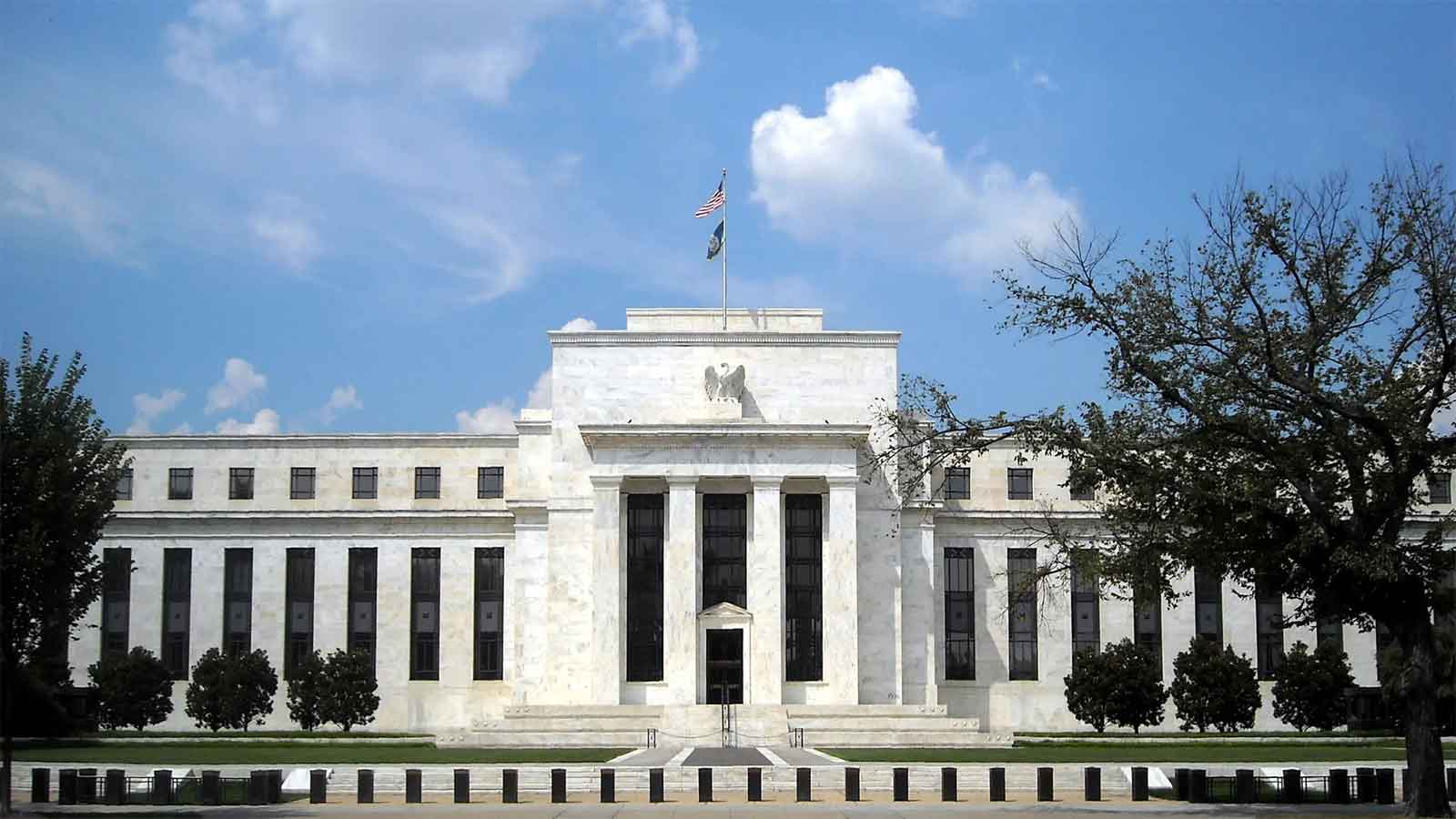
Market Volatility and Fed Policy
The financial landscape for American borrowers remains precarious as June concludes with renewed warnings of potential interest rate hikes. Following a June 10 report indicating that inflation has surged past 4%—its highest level in over three years—the Federal Reserve has maintained its current federal funds rate while signaling that further tightening may be necessary later in 2026.
This shift has significantly impacted the housing market. Despite the Fed holding rates steady, average 30-year mortgage rates have climbed to approximately 6.50%, up from sub-6% levels seen in mid-April. Lenders are increasingly preempting central bank policy, adjusting offers based on inflation data and geopolitical instability, which continues to drive up oil prices and dampen hopes for near-term rate cuts.
Looking Toward July
Borrowers are now looking toward critical dates in July for potential relief. The Bureau of Labor Statistics is scheduled to release new inflation data on July 14, followed by a Federal Reserve policy meeting on July 29. While market expectations for a rate cut remain slim, analysts suggest that even a slight cooling in inflation data could lead lenders to adjust mortgage offers downward ahead of formal Fed action.
Financial experts advise that while external factors like geopolitical tensions and Treasury yields remain outside of a borrower’s control, individual credit management is essential. Consumers are encouraged to pay down debt and monitor daily rate fluctuations to lock in offers if the market stabilizes.
Student Loan Adjustments
In a separate development, federal student loan borrowers have received new guidance regarding interest rate discounts. According to education expert Mark Kantrowitz, borrowers enrolled in autopay through the Direct Loan program are eligible for a 0.25 percentage point interest rate reduction. This temporary relief, which remains in effect through June 30, 2028, is designed to assist borrowers in good standing, though experts warn that participants must remain vigilant regarding potential billing errors by servicers.