
Quick Read
- A panga boat capsized off Southern California, killing four people.
- Authorities say maritime smuggling incidents are rising along the California coast.
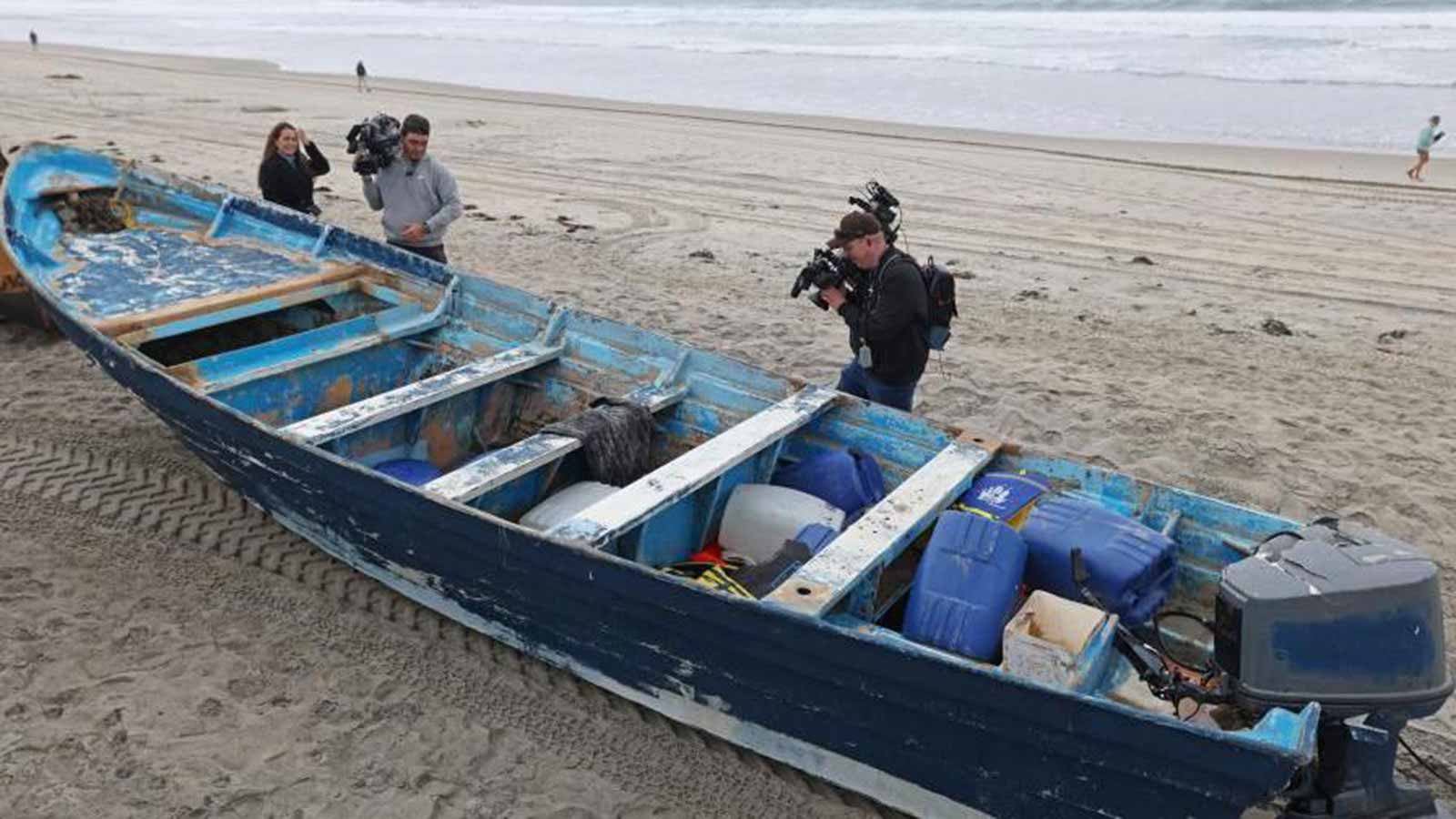
- Panga boats are often overloaded and poorly equipped for rough waters.
- Local agencies are urging increased patrols and public awareness.
- The tragedy highlights ongoing tensions between border enforcement and humanitarian concerns.
What Happened Off the Southern California Coast?
In a tragic turn on the waters off Southern California, a small panga boat capsized, resulting in the deaths of four people. The incident, reported by Los Angeles Times on November 16, 2025, has reignited concerns about the perils faced by migrants and smugglers attempting to cross into the United States via the Pacific Ocean.
Panga boats, lightweight and often overloaded, have become a common sight along the California coastline. Typically used for fishing, these vessels are increasingly repurposed by human smugglers seeking to evade border patrols. Their shallow hulls and open design make them fast but vulnerable, especially in unpredictable coastal conditions.
Deadly Risks and Rising Trends
The capsizing occurred in rough seas, a factor that has contributed to similar disasters in recent years. According to local authorities, rescue teams responded swiftly but found several passengers already unresponsive. The identities of the deceased have not yet been released, pending notification of families and further investigation.
Law enforcement officials describe a growing trend: as land border security tightens, smugglers increasingly turn to maritime routes. These journeys, often undertaken at night in overloaded panga boats, carry grave risks. Many passengers lack life jackets, and the boats themselves are ill-equipped to handle strong surf or sudden weather shifts.
In 2024 alone, the U.S. Border Patrol reported dozens of maritime incidents off the Southern California coast, with fatalities climbing each year. The allure of a faster route to American soil is powerful, but the dangers are ever-present. Survivors of past capsizes speak of chaos, fear, and the struggle to stay afloat in cold, choppy waters.
Local Response and Broader Implications
Local agencies, including the U.S. Coast Guard and lifeguard teams, have called for increased patrols and better public awareness. Orange County officials noted that these tragedies are not isolated, but part of a larger pattern tied to migration and enforcement policies.
“We see the same story repeating itself: desperate people, dangerous boats, and tragic outcomes,” said a Coast Guard spokesperson. “The solution is not simple, but we must address both the immediate risks and the root causes.”
Westminster City Council, already grappling with debates over national issues, echoed these sentiments during a recent public meeting. Residents voiced frustration that such events highlight broader failures in border security and humanitarian policy, rather than just isolated criminal acts.
Panga Boats: A Symbol of Hope and Hazard
For many, the panga boat represents a last, desperate chance at a better life. But the vessel is also a symbol of the hazards lurking on the fringes of the border. The open water offers no guarantees, only uncertainty and risk.
In Huntington Beach, where a recent memorial for another tragic incident drew both sympathy and controversy, community leaders urged compassion for the victims and renewed vigilance on the part of authorities. The issue, they argue, is not only one of law enforcement, but also of human dignity.
What Lies Ahead?
As investigations continue, questions linger: How can authorities better prevent such disasters? Is it possible to balance border security with humanitarian protections? And what drives so many to risk everything for a journey fraught with peril?
Advocates for migrant rights point to systemic issues—poverty, violence, and lack of opportunity in migrants’ home countries—as root causes. Enforcement agencies, meanwhile, emphasize the need for deterrence and stricter controls.
Both sides agree, however, that the status quo is untenable. Without coordinated efforts, both on land and at sea, panga boat tragedies will likely continue to haunt California’s coastline.
For now, the loss of four lives stands as a somber reminder of the complex forces at play along America’s borders. As the community mourns, the debate over how to address these risks—without losing sight of the human stories behind the headlines—remains as urgent as ever.
While the panga boat disaster is only the latest in a string of maritime tragedies, it reveals the persistent tension between border enforcement and humanitarian responsibility. Addressing these issues requires more than reactive policies—it demands a nuanced approach that recognizes both the dangers faced by migrants and the realities confronting local communities.