
Quick Read
- Kabul drivers are increasingly switching to LPG due to rising petrol and diesel prices, despite explosion risks.
- A liter of petrol/diesel in Kabul costs 60 Afghanis, while a kilogram of LPG is 54 Afghanis.
- Afghanistan is the largest importer of Russian LPG in the region, with supplies up 1.5 times in 2025.
- California’s San Luis Obispo County saw gas prices jump 8 cents to $4.62 per gallon last week.
- The surge in California is attributed to the early closure of Valero’s Benicia refinery.
KABUL / SAN LUIS OBISPO (Azat TV) – Global fuel gas prices are on the rise, compelling motorists in diverse regions to make difficult and often costly choices to manage their daily expenses. From Kabul, Afghanistan, where drivers are increasingly turning to liquefied petroleum gas (LPG) to offset soaring petrol and diesel costs, to California, United States, where gasoline prices have surged following an unexpected refinery closure, the economic pressure on consumers is evident.
In Afghanistan, the decision to switch to LPG comes despite acknowledged safety concerns, highlighting the desperation driven by financial strain. Meanwhile, in California, the abrupt market shift has led to significant price hikes, impacting local economies and daily commutes.
Afghan Drivers Embrace LPG Amid Soaring Costs
In Kabul, a notable trend has emerged as many drivers, including Asad and Shoaib, have opted to convert their vehicles to run on liquefied petroleum gas (LPG) in response to steep increases in petrol and diesel prices. Asad, a driver in Kabul, explained that the move was necessary to reduce fuel consumption and increase his income, especially with fixed fares and taxes imposed by the Taliban. He noted that filling his tank with 500 Afghanis worth of LPG could yield approximately 1,000 Afghanis in daily profit, attributing this to LPG’s lower consumption.
However, this economic relief is not without its drawbacks. Asad highlighted the risk of explosion, stating he has personally witnessed incidents of cars burning. He also mentioned the disturbing smell of gas for passengers and potential long-term issues such as the drying out of vehicle parts, which requires diligent maintenance. Shoaib, another driver, corroborated the economic benefits, adding that the often poor quality of petrol in Afghanistan also contributes to the switch, despite LPG causing a slight decrease in vehicle power and limiting the ability to carry heavy loads.
Environmental experts have weighed in, acknowledging LPG’s potential as a suitable alternative if installed and used professionally. Kazim Homayoun, an environmental expert, emphasized that with necessary protective measures and continuous monitoring, LPG could be a viable alternative to fossil fuels. He noted that LPG, while not completely harmless, contains fewer toxic gases like carbon dioxide, carbon monoxide, sulfur, and hazardous particulates compared to petrol and diesel. Conversely, Sayed Shah Goharpour, another environmental expert, warned that improper use could damage the ecological chain and human health by releasing dangerous gases such as nitrogen dioxide, sulfur, and particulates.
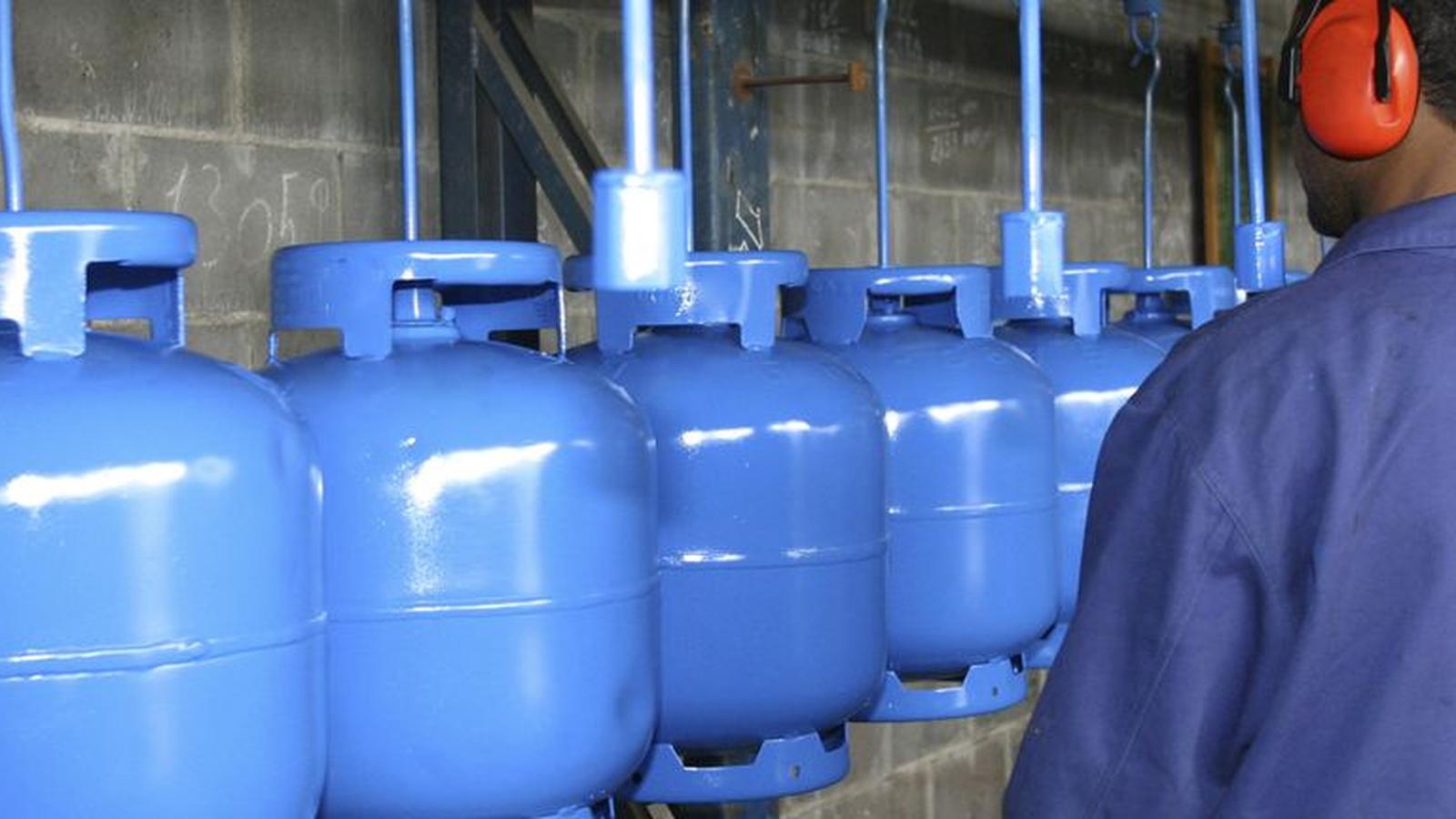
Currently, a liter of petrol or diesel in Kabul markets costs about 60 Afghanis, while a kilogram of LPG is around 54 Afghanis. Afghanistan has become the largest importer of Russian liquefied gas in the region, with Russian LPG supplies, including from the KazRosGas joint venture with Kazakhstan, increasing by about 1.5 times in the first 11 months of 2025, reaching 418,000 tons. This increased supply has made LPG more accessible and comparatively cheaper, fueling its growing adoption in vehicles.
California Gas Prices Surge Following Refinery Closure
Across the globe, in San Luis Obispo County, California, gasoline prices have experienced a sharp climb. The average price for a gallon of gas in the county spiked eight cents last week, reaching $4.62, according to figures from AAA. This surge follows the earlier-than-planned closure of Valero’s Benicia refinery, which ceased operations last week, four months ahead of schedule.
Statewide, California’s average price for a gallon of gas rose 12 cents to $4.46, significantly higher than the national average of $2.89 a gallon. San Luis Obispo County currently ranks 12th in the state for the highest gas prices. For context, Mono County recorded the highest average price at $5.57 per gallon, while Imperial County had the lowest at $4.11 per gallon. This localized increase underscores the immediate and direct impact of refinery capacity on regional fuel markets.
The Global Push for Fuel Alternatives and Safety
The situations in Afghanistan and California, though geographically distant and driven by distinct immediate causes—market pricing and supply chain disruption, respectively—underscore a universal challenge: the volatility of fuel prices and its profound impact on consumers. The shift towards alternative fuels like LPG in Afghanistan highlights a proactive, albeit risky, coping mechanism by individuals facing economic hardship. Meanwhile, the California scenario demonstrates the fragility of established fuel supply chains and the immediate financial burden placed on drivers when disruptions occur.
Both cases emphasize the ongoing need for robust energy policies that consider both affordability and environmental sustainability, alongside critical safety standards. As global energy markets continue to evolve, the balance between accessible, economical fuel and the imperative for safe, environmentally responsible consumption remains a complex and pressing issue for governments and citizens alike.
The current trends in fuel gas prices reveal a critical juncture where economic necessity often overrides safety and environmental considerations, pushing consumers towards immediate cost-saving measures while policymakers grapple with long-term energy security and public welfare.