

Quick Read
- Nutritionist Lisa Young states moderate peanut butter consumption can support healthy cholesterol levels.
- Peanut butter contains beneficial fats, plant sterols, fiber, and essential vitamins like E, B3, and B6.
- Health-conscious bakeries are featuring peanut butter in sugar-free, gluten-free, and low-carb desserts.
- Consumers are advised to choose natural peanut butter without added sugars or hydrogenated oils.
- Peanut butter remains a popular ingredient, especially paired with chocolate, across various treats.
Peanut butter, a long-standing staple in many households, is receiving renewed attention not just for its enduring culinary appeal but also for its surprising health benefits when consumed in moderation. Nutritionist Lisa Young recently highlighted that this beloved spread can actively support healthy cholesterol levels, offering a guilt-free indulgence amidst a burgeoning trend of health-conscious dessert options.
Young’s insights underscore peanut butter’s nutritional value, particularly as innovative bakeries and home cooks integrate it into sugar-free, gluten-free, and low-carb treats. This dual focus on both taste and wellness positions peanut butter as a versatile ingredient capable of satisfying sweet cravings without compromising health goals.
Unpacking Peanut Butter’s Nutritional Profile
According to nutritionist Lisa Young, the key to unlocking peanut butter’s health advantages lies in moderation. A typical two-tablespoon serving, while calorie-dense, is rich in beneficial fats. A significant portion of its 16 grams of fat comprises monounsaturated (7.4g – 8.2g) and polyunsaturated (4.0g – 4.4g) fats, including omega-6 fatty acids. These fats are crucial for supporting the production of beneficial HDL cholesterol, which, in turn, helps lower levels of LDL, often referred to as ‘bad’ cholesterol. High LDL levels can lead to plaque buildup in arteries, increasing the risk of heart disease and stroke.
Beyond its fat content, Young emphasized that peanut butter also contains plant sterols and fiber, both of which contribute to reducing cholesterol absorption. The nutritional bounty extends further, with peanut butter serving as a good source of Vitamin E, Niacin (vitamin B3), Manganese, Vitamin B6, and Magnesium. These compounds and minerals are vital for heart health, immune function, bone health, and blood vessel maintenance, as noted by WebMD and Young herself.
However, Young advises consumers to exercise caution when purchasing commercial brands, many of which may contain added sugars, unhealthy saturated or trans fats, and/or excessive sodium. She strongly recommends opting for “natural peanut butter with no added sugar and no hydrogenated oils” to maximize its health benefits.
Peanut Butter’s Role in Health-Conscious Desserts
The growing demand for healthier sweet treats has led to a creative resurgence in baking, with peanut butter frequently featured in innovative, diet-friendly formulations. Bakeries like Keto Sweets Los Angeles, founded by sisters Jessica and Chelsea Tropper, are at the forefront of this movement. They offer items like peanut butter chocolate drizzle cookies that are sugar-free, gluten-free, low-carb, and keto-friendly, allowing customers to enjoy desserts without the typical guilt or bloat.
Similarly, Blossoms Sweet Kitchen incorporates house-ground nut butters, including peanut butter, into vegan and gluten-free options such as their cinnamon protein roll. These establishments demonstrate how peanut butter, when thoughtfully incorporated, can be a cornerstone of desserts that align with various dietary restrictions, from plant-based to low-carb eating plans.
The Enduring Appeal of Peanut Butter and Chocolate
While its health benefits are gaining prominence, peanut butter’s classic pairing with chocolate remains an undeniable culinary force. This combination has been celebrated for decades, perhaps most famously in Reese’s Peanut Butter Cups, which have become a national favorite. The versatility of this duo extends to homemade recipes, such as the popular Peanut Butter Molten Chocolate Cake, allowing families to enjoy a decadent, large-batch lava cake.
The blend of creamy, savory peanut butter with rich chocolate creates a balanced flavor profile that appeals to a wide range of palates. This classic pairing continues to inspire new creations, from simple cookies to intricate cakes, proving that some flavor combinations are truly timeless.
From Wartime Rations to Modern Tables
Peanut butter’s journey to becoming a household staple in the United States is rooted in its widespread adoption during the twentieth century, particularly its integral role in U.S. Armed Forces soldiers’ rations during the World Wars. Its versatility and nutritional density made it an ideal food source for sustaining troops. Over time, it transitioned from a military necessity to a beloved spread, becoming a mainstay in American cupboards.
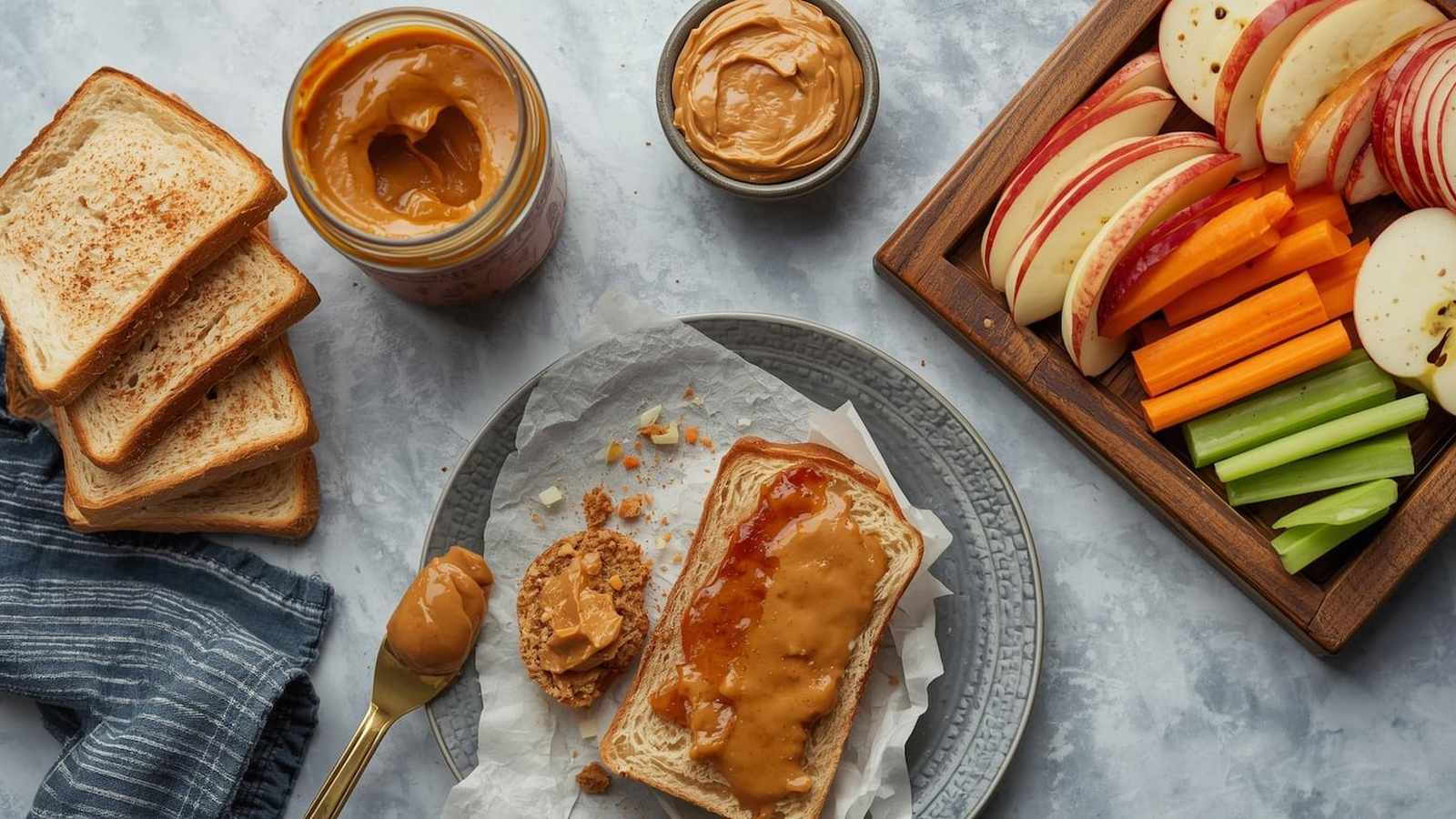
Today, peanut butter is celebrated not only as a classic component of PB&J sandwiches but also as a versatile dip for fruits and vegetables, a key ingredient in smoothies, and a star in both indulgent and health-conscious desserts. This evolution highlights its adaptability and enduring popularity across generations and dietary trends.
The resurgence of interest in peanut butter, driven by both nutritional science and innovative culinary applications, underscores a broader societal shift towards foods that offer both flavor and functional health benefits. As consumers become more discerning about ingredients and dietary choices, peanut butter stands out as a prime example of how a familiar favorite can be re-evaluated and embraced for its contemporary relevance.